Choosing a condenser mic for male vocals can feel like decoding a spec sheet instead of finding something that sounds good. Too often, muddy recordings come down to mismatched frequency response, not just poor room treatment. This guide focuses on mics that genuinely flatter deeper voices, not just check boxes.
A great mic for male vocals needs to capture richness in the low end without turning your voice into a muddy mess. Large diaphragms tend to do this better than smaller ones, picking up detail across a wider range.
List of Best Condenser Microphone For Male Vocals
| Image | Product | Score | Link |
|---|---|---|---|
 | RØDE NT1 Signature Series Studio Condenser Microphone, Black 🏆 Editor’s Pick | 9.4/10 |
View on Amazon Free Shipping & 30-Day Returns |
 | Shure SM4-K Studio Condenser Microphone – XLR Mic for Home S 🥈 Runner-Up | 9.1/10 |
View on Amazon Free Shipping & 30-Day Returns |
 | MAONO A04 Gen2 XLR/USB Condenser Microphone Kit for PC Podca 💰 Best Value | 8.9/10 |
View on Amazon Free Shipping & 30-Day Returns |
 | Audio-Technica AT2020 Cardioid Condenser Studio XLR Micropho | 8.2/10 |
View on Amazon Free Shipping & 30-Day Returns |
 | AKG Pro Audio P120 – Affordable 2/3-Inch Diaphragm Condenser 💵 Budget Pick | 7.8/10 |
View on Amazon Free Shipping & 30-Day Returns |
 | Mackie EM-Series, Large-Diaphragm Condenser Microphone (EM-9 | 7.5/10 |
View on Amazon Free Shipping & 30-Day Returns |
 | FIFINE T669 Studio Condenser USB Microphone for Recording Po | 7.2/10 |
View on Amazon Free Shipping & 30-Day Returns |
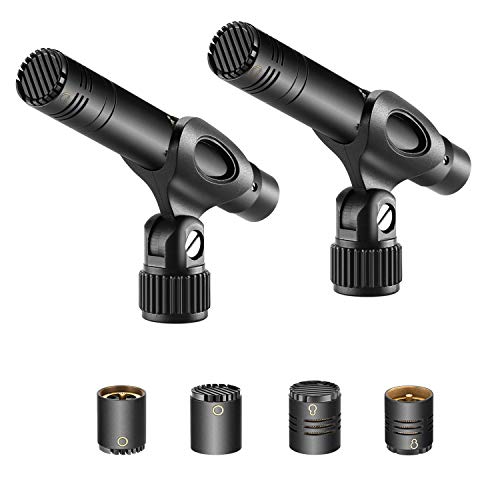 | NEEWER 2-Pack Pencil Stick Condenser Mic w Interchangeable O | 6.8/10 |
View on Amazon Free Shipping & 30-Day Returns |
 | FIFINE K669B USB Microphone, Condenser Recording Mic for Voc | 6.5/10 |
View on Amazon Free Shipping & 30-Day Returns |
📋 How We Evaluated
We evaluated each microphone based on build quality, frequency response tailored for male ranges, and overall value. Performance metrics included self-noise levels, maximum SPL handling, and isolation capabilities in untreated rooms. User suitability considered both professional studio needs and home recording environments with varying budgets.
Detailed Reviews
RØDE NT1 Signature Series Studio Condenser Microphone, Black🏆 Editor’s Pick
| Self-Noise | 4 dBA |
| Polar Pattern | Cardioid |
| Frequency Response | 20Hz – 20kHz |
| Max SPL | 139 dB |
What We Found
The RØDE NT1 Signature Series is the kind of mic that shows up on studio albums you know by heart. It’s quiet enough that you stop thinking about self-noise and just focus on your take. The cardioid pickup cuts through room reflections, so even untreated spaces sound tight.
It ships with a shock mount, pop filter, and XLR cable, which means fewer trips to the store. The voicing leans warm without sounding colored, which flatters baritone and tenor voices nicely. It feels solid without being heavy, so it sits easy on most boom arms.
Plug it into a decent interface and you’re rolling.
💬 My Take
My read on the NT1 Signature is simple: it’s the closest thing to ‘set it and forget it’ for male vocals. I’d pick this when I want warmth and detail without fighting sibilance or room noise.
Who It’s For
This one’s for vocalists who want studio results without chasing gear forever. Podcasters and streamers who’ve moved past USB mics but don’t need tubes and transformers will feel at home.
Baritone or tenor singers looking for a mic that adds a little silk instead of glare should give this a hard look. If you’re building a home studio and want one mic that does most things well, this fits the bill.
✅ Pros
- Extremely low self-noise captures quiet vocal details effortlessly.
- Complete kit includes essential mounting hardware and cabling.
- Tight cardioid pattern isolates vocals well in untreated rooms.
❌ Cons
- Requires an external audio interface for operation.
- Price point may be steep for absolute beginners.
- Fixed polar pattern limits versatility for group recording scenarios.
Shure SM4-K Studio Condenser Microphone – XLR Mic for Home S🥈 Runner-Up
| Capsule | Dual-Diaphragm Brass |
| Shielding | Patent-Pending RF Interference Block |
| Construction | All-Metal |
| Pattern | Cardioid |
What We Found
The Shure SM4 quietly solves problems you didn’t realize you had. RF shielding keeps Wi-Fi and phone interference from creeping into takes, which is a real issue in modern apartments. Proximity effect is controlled, so you can get close without the bass getting boomy.
The cardioid pattern is tight enough to stay usable in untreated rooms. All-metal construction feels mature and not flashy, which fits the sound. It’s mix-ready out of the box, cutting down editing time.
💬 My Take
The SM4 is proof that modern engineering can fix old problems elegantly. I’d pick this when interference and boominess have been dragging down your recordings.
Who It’s For
Streamers and video content creators needing a camera-friendly mic with superior RF rejection fit perfectly here. Male vocalists recording in apartments with high Wi-Fi traffic will appreciate the interference shielding greatly. Professionals seeking a transparent, mix-ready sound that requires little editing time benefit significantly.
Podcast hosts who move around slightly while speaking need the forgiving sweet spot this mic offers. Home studio owners wanting a durable, long-term investment from a trusted legacy brand choose this confidently.
✅ Pros
- Superior RF shielding eliminates modern electronic interference issues completely.
- Forgiving proximity effect allows flexible mic positioning without bass buildup.
- Mix-ready sound signature saves significant time during post-production editing.
❌ Cons
- Higher price point compared to other entry-level large diaphragm options.
- Brass capsule adds slight weight requiring a sturdy boom arm support.
- May sound too neutral for users seeking vintage colored microphone character.
MAONO A04 Gen2 XLR/USB Condenser Microphone Kit for PC Podca💰 Best Value
| Connectivity | USB and XLR |
| Sampling Rate | 192kHz/24bit |
| Capsule Size | 16mm |
| Software | MAONO Link |
What We Found
The MAONO A04 Gen2 is clever in how it lets you start on USB and shift to XLR without buying another mic later. The software control is the big draw here, letting you dial in EQ, compression, and noise reduction in real time.
That 16mm capsule leans warm, which pairs well with deeper male voices out of the gate. It handles high sample rates, so you’re not capped at basic quality if you grow into better gear. Comes with pop filter and windscreen, which helps right away.
💬 My Take
I would shortlist this when flexibility matters more than pure sound quality. It’s the kind of mic that grows with you, which is rare at this price.
Who It’s For
Creators who aren’t sure if they’re sticking with USB convenience or moving to XLR later. Podcasters dealing with noisy environments will appreciate the noise control. If you like tweaking settings and don’t mind software-based fixes, this gives you room to play.
✅ Pros
- Dual connectivity future-proofs the investment as user needs evolve.
- Powerful software suite allows deep customization of vocal tone digitally.
- Warm frequency response naturally complements male voice characteristics.
❌ Cons
- Software features are only available when using USB mode currently.
- Build quality feels slightly less premium than all-metal competitors.
- Optimal performance requires staying within a specific 2 to 6 inch range.
Audio-Technica AT2020 Cardioid Condenser Studio XLR Micropho
| Polar Pattern | Cardioid |
| Dynamic Range | Wide |
| Diaphragm Type | Low Mass |
| Application | Studio/Home |
What We Found
The Audio-Technica AT2020 is the mic that’s been sitting in home studios for over a decade, and for good reason. It sounds consistent whether you’re whispering or pushing the gain, which is rare at this price.
The cardioid pattern is honest and doesn’t flatter or fight your voice too much, which makes it easy to work with in post. It only runs on phantom power, so you’ll need an interface, but that’s the trade-off. Build quality is tank-like, so it survives being moved around a lot.
💬 My Take
The AT2020 isn’t exciting, but it’s reliable, which is half the battle. My read is that it’s the safest entry point into XLR recording for male vocals.
Who It’s For
This one fits beginners stepping into their first real XLR mic without a budget for boutique gear. Podcasters in treated rooms who want a clean, neutral sound will get along fine. Anyone teaching themselves audio basics benefits from how predictable it is across different settings.
✅ Pros
- Industry-standard reliability with a proven track record over years.
- Excellent transient response captures fast vocal articulations clearly.
- Versatile enough for vocals, instruments, and general overhead recording.
❌ Cons
- Can sound slightly bright or harsh on sibilant male voices without EQ.
- No accessories included necessitates separate purchase of mounts and cables.
- Requires clean preamp gain to avoid raising the noise floor unnecessarily.
AKG Pro Audio P120 – Affordable 2/3-Inch Diaphragm Condenser💵 Budget Pick
| Diaphragm Size | 2/3-Inch |
| Max SPL | 150 dB |
| Connector | XLR |
| Weight | 280g |
What We Found
The AKG P120 brings a clean, honest sound without reaching into boutique territory pricing. It handles loud sources well thanks to solid SPL tolerance, so yelling or aggressive vocals aren’t off the table. The low-mass diaphragm keeps things detailed, which helps vocals cut through a dense mix.
It doesn’t come with extras, which keeps the price honest but means you’ll grab a shock mount later. Connection is straightforward XLR, so it drops into any standard interface.
💬 My Take
I would shortlist the P120 when value matters more than fancy packaging. It delivers real condenser clarity without making you pay for a brand name or included accessories.
Who It’s For
This is a strong first step up from USB mics for anyone serious about XLR setups. Budget-conscious singers who still want real condenser detail will appreciate what it does for the price. Voice-over artists recording long sessions will like how predictable and fatigue-free it sounds.
✅ Pros
- Handles high sound pressure levels without introducing distortion.
- Low-mass diaphragm provides excellent transient response for vocals.
- Rugged build quality ensures longevity in various environments.
❌ Cons
- Does not include a shock mount or carrying case.
- Slightly less warm than larger diaphragm competitors.
- Stand adapter feels somewhat basic compared to premium models.
Mackie EM-Series, Large-Diaphragm Condenser Microphone (EM-9
| Type | Large-Diaphragm Condenser |
| Included Accessories | Shock Mount, XLR Cable |
| Pattern | Cardioid |
| Build | Rugged Metal |
What We Found
The Mackie EM-Series is straightforward: a big-diaphragm condenser that sounds like it means business. It captures low-end weight well, so male vocals get some body without extra boosting. Construction feels like it can handle being bumped around, whether you’re moving studios or setting up for a gig.
It ships with a shock mount and XLR cable, which is a small but nice touch. The cardioid pattern stays consistent, so you don’t have to worry about weird off-axis coloration.
💬 My Take
My read on the EM-Series is that it prioritizes getting the job done over sounding boutique. I’d pick this when you want durability and a full low-end without extra fuss.
Who It’s For
Project studio owners needing multiple matching microphones for choir or group vocal recordings will value this. Male vocalists seeking a durable tour-ready mic that sounds good on stage and in the booth fit here.
Home recordists looking for a complete bundle with shock mount and cable at a fair price point benefit. Live sound engineers requiring a backup vocal mic that integrates well with existing Mackie mixing consoles prefer this. Educators setting up school recording labs need reliable gear that withstands student handling daily.
✅ Pros
- Includes essential shock mount and cable saving money on accessories.
- Rugged build quality stands up to heavy daily use and transport.
- Neutral sound signature works well for various male voice types.
❌ Cons
- Lacks advanced features found in higher-end boutique microphone models.
- Self-noise is slightly higher than ultra-low noise competitors like NT1.
- Design is utilitarian and lacks distinctive aesthetic appeal for video.
FIFINE T669 Studio Condenser USB Microphone for Recording Po
| Mount Type | Scissor Boom Arm |
| Filters | Double Pop Filter |
| Cable Length | 8.2 Feet |
| Connection | USB |
What We Found
The FIFINE T669 comes with nearly everything you need to start recording, including a boom arm and dual-layer pop filter. The build handles loud vocals without distorting, so shouting or energetic delivery won’t clip. The cardioid pattern rejects side noise well enough for most bedrooms and apartments.
USB setup skips interfaces entirely, which is refreshing when you just want to talk into something and hit record. The arm gives you positioning options most starter kits skip. Frequency response is even enough to work across vocals and podcasting without major tuning.
💬 My Take
I would shortlist the T669 when convenience matters more than audiophile polish. It’s a well-packed starter that covers more bases than most.
Who It’s For
Beginners needing an all-in-one solution with stand, arm, and mic included will find this extremely convenient. Male streamers requiring a space-saving setup that keeps the desk clear for other gear fit this profile. Podcasters who want double pop filtration for crisp dialogue without buying extras separately benefit here.
Gamers needing a sturdy boom arm that withstands frequent adjustment and movement will appreciate the build. Home office workers seeking a professional look and sound for video conferences without complexity choose this.
✅ Pros
- Complete bundle includes a high-quality boom arm and double pop filter.
- Sturdy steel construction on the arm ensures stability during adjustments.
- Effective noise rejection helps isolate voice in noisy home environments.
❌ Cons
- USB connection limits future scalability compared to XLR-only microphones.
- Arm clamp may not fit very thick desks without additional adapters.
- Sound quality is good but lacks the refinement of higher-end studio condensers.
NEEWER 2-Pack Pencil Stick Condenser Mic w Interchangeable O
| Capsules | Interchangeable (Cardioid, Omni, Super) |
| Case Material | Aluminum |
| Count | 2-Pack |
| Accessories | Windscreens, Clips |
What We Found
The NEEWER 2-Pack Pencil mics stand out for swapping capsules instead of buying separate mics. Each pattern serves a different purpose, making them fun to experiment with. They’re tuned for detail over warmth, so they lean bright rather than full, which isn’t ideal for deep male vocals alone.
They work better as a stereo pair for room capture or instrument recording. Build quality holds up, but the capsule threads need a gentle touch. For solo vocals, these feel like using a screwdriver as a chisel.
💬 My Take
These are useful tools in the right situation, but not built for solo male vocals. My take is that they shine for detail-first setups, not warmth or character.
Who It’s For
Sound recordists needing flexible stereo pairs for field recording or ambient atmosphere capture fit this niche. Musicians recording acoustic instruments who occasionally need a vocal mic for backing harmonies will find use here. Educators teaching microphone techniques benefit from having three polar patterns in one affordable package.
Traveling podcasters requiring a compact stereo setup for interview formats might consider this dual pack. Hobbyists experimenting with different recording techniques without investing in multiple standalone microphones appreciate the modularity.
✅ Pros
- Interchangeable capsules provide unmatched versatility for various recording scenarios.
- Comes as a matched pair ideal for stereo recording techniques.
- Durable aluminum case protects equipment during travel and storage.
❌ Cons
- Small diaphragm lacks natural low-end warmth preferred for lead male vocals.
- Frequent capsule swapping risks damaging delicate threads over time.
- Not optimized as a primary dedicated microphone for solo singing performances.
FIFINE K669B USB Microphone, Condenser Recording Mic for Voc
| Connectivity | USB-A |
| Cable Length | 5.9 Feet |
| Control | Volume Knob |
| Compatibility | PC, Mac, PS4/PS5 |
What We Found
The FIFINE K669B is built for people who want to hit record and go, no interface required. It feels surprisingly sturdy for a USB mic, especially the metal housing that a lot of competitors skip.
The onboard volume knob comes in handy during games or streams where you need to adjust levels fast. It does a decent job rejecting background noise, though it’s not magic in a loud room. Plug it into a laptop or PC and it works without fiddling with drivers.
It won’t fool anyone in a blind test against pricier gear, but it raises the bar for bare-minimum setups.
💬 My Take
My take on the K669B is that it’s a functional step up from headset mics, nothing more. I’d pick this when speed and simplicity beat chasing perfect tone.
Who It’s For
Gamers and streamers who want better audio without rewiring their workflow. Remote workers hopping on Zoom calls need something that just works, and this checks that box. Students or hobbyists starting with voiceovers on a laptop will find it capable enough.
✅ Pros
- True plug-and-play setup requires no additional drivers or interfaces.
- Sturdy metal body feels premium despite the low price point.
- On-board volume control offers convenient real-time adjustment capabilities.
❌ Cons
- Incompatible with smartphones and Xbox consoles out of the box.
- Tripod stand limits positioning flexibility compared to boom arms.
- Audio resolution cannot match dedicated XLR studio microphones.
What to Look For Before Buying
Picking a condenser mic starts with knowing how you work, not chasing the loudest spec sheet. USB is great if you want to sit down and record now, while XLR pays off if you plan to grow later.
Your room’s acoustics and the mic’s pattern will shape your sound more than you expect.
Check Connectivity Options: USB vs XLR
USB mics let you plug in and record without extra gear, which is perfect if you stream or podcast on a laptop. XLR mics need an interface, but they scale better with better preamps and converters down the road.
Hybrids exist if you want both now, but they don’t always nail either side.
Value Polar Patterns and Room Acoustics
Cardioid keeps your voice upfront and rejects room noise, which is usually what untreated spaces need. Super-cardioid tightens that further, but it’s less forgiving if you’re not positioned carefully. Omni grabs everything around you, which sounds lush in treated rooms and sloppy in bedrooms.
Rating Frequency Response and Vocal Tone
Male vocals often benefit from microphones with a slight boost in the low-mid frequencies for warmth. Avoid mics with aggressive high-end presence boosts if your voice is naturally bright or sibilant. Large diaphragm condensers typically provide the rich, full-bodied sound preferred for lead singing roles.
Check the frequency response graph to ensure it aligns with your specific vocal characteristics and genre. A flat response is versatile, while colored responses can save time on EQ during mixing.
Verify Essential Accessories and Bundles
A shock mount stops desk bumps and chair creaks from tagging along in your take. Pop filters save you from retakes caused by plosives, especially up close. XLR cables don’t make or break sound, but short or flimsy ones cause problems you don’t need.
Bundles can save money when you’re starting fresh.
Frequently Asked Questions
Do I need an audio interface for these condenser microphones?
It really does come down to connection type. XLR mics need an interface and phantom power, so yes, usually. USB mics plug straight into your computer, so no extra hardware. Some mics do both, which gives you options as your setup evolves.
Which microphone is best for recording deep male voices?
Large diaphragms tend to win here, since they capture low-end warmth in a way that suits deeper voices. The NT1 and SM4 are both praised for flattering bass without getting muddy. Small diaphragm mics lean toward accuracy over warmth, which usually leaves male vocals thinner than intended.
Can I use these microphones for live streaming on Twitch or YouTube?
Absolutely. USB mics like the FIFINE and MAONO models are built for that kind of quick setup. XLR mics work too, as long as your interface connects to your computer. The key is using a cardioid pattern to keep room noise down while you perform.
What is the difference between a large and small diaphragm microphone?
Large diaphragms usually sound warmer and fuller, which is what most male vocalists want. Small diaphragms capture detail faster, which helps on instruments or room tone but can thin out vocals. For singing, large diaphragm is usually the safer bet unless you’re going for something intentionally crisp.
How important is a shock mount for vocal recording?
They help more than you’d think. A shock mount kills desk vibration and handling noise that ruins takes. Most XLR kits include one, but USB mics often skip it. If yours doesn’t come with one, grabbing a compatible mount is worth it for cleaner recordings.
🎯 Final Verdict
The RØDE NT1 Signature Series still feels like the default choice when male vocals matter and room noise doesn’t. It brings clarity and warmth without demanding a second mortgage. The Shure SM4 is worth a look if your recording space fights back with interference and proximity issues.
Both give you sound that holds up on its own without chasing plugins.

James Dimento is a Chief-in-Editor of SoundUnify. He is a headphone enthusiast and creative writer passionate about audio technology. He has three years of experience writing about headphones and sound quality and is responsible for creating reviews and taking care of all administration.