Studio condensers fall apart on a loud stage. They pick up monitors and handling noise too easily. Singers need a mic that stays clear near wedges. Feedback, breath pops, and cable noise ruin the mix fast. Choosing the wrong capsule wastes money and stage time.
A strong live condenser needs phantom power and a tight pickup pattern. It also requires internal shock mounting to survive movement. High SPL handling keeps loud choruses clean. A pop filter controls plosives during close singing. Rugged metal bodies survive touring better than delicate studio shells.
List of Best Condenser Microphone For Live Performance
| Image | Product | Score | Link |
|---|---|---|---|
 | Shure BETA 87A Condenser Vocal Microphone with Pop Filter 🏆 Editor’s Pick | 9.3/10 |
View on Amazon Free Shipping & 30-Day Returns |
 | Shure SM86 Cardioid Condenser Vocal Microphone for Professio 🥈 Runner-Up | 8.8/10 |
View on Amazon Free Shipping & 30-Day Returns |
 | Shure KSM8 Dualdyne Dynamic Vocal Microphone – Dual-Diaphrag | 8.4/10 |
View on Amazon Free Shipping & 30-Day Returns |
 | iCON Pro Audio Thunder X 32mm Large Diaphragm Handheld Conde 💰 Best Value | 8.0/10 |
View on Amazon Free Shipping & 30-Day Returns |
 | Shure SM58S Pro XLR Dynamic Vocal Microphone with On/Off Swi 🥈 Runner-Up | 7.8/10 |
View on Amazon Free Shipping & 30-Day Returns |
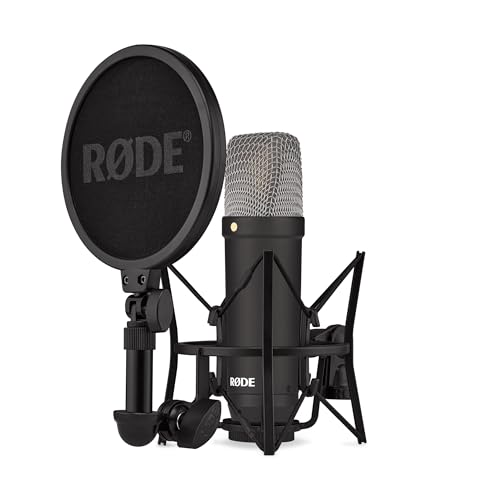 | RØDE NT1 Signature Series Studio Condenser Microphone, Black | 7.6/10 |
View on Amazon Free Shipping & 30-Day Returns |
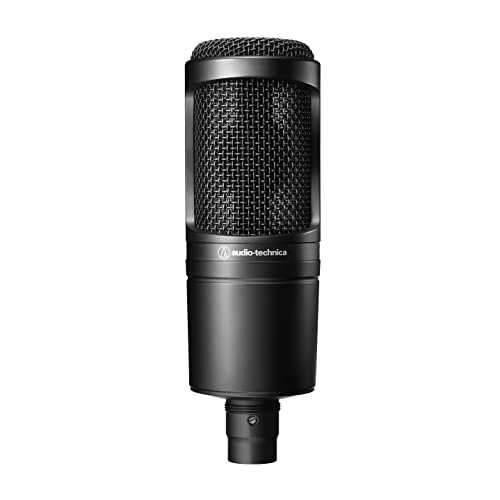 | Audio-Technica AT2020 Cardioid Condenser Studio XLR Micropho | 7.1/10 |
View on Amazon Free Shipping & 30-Day Returns |
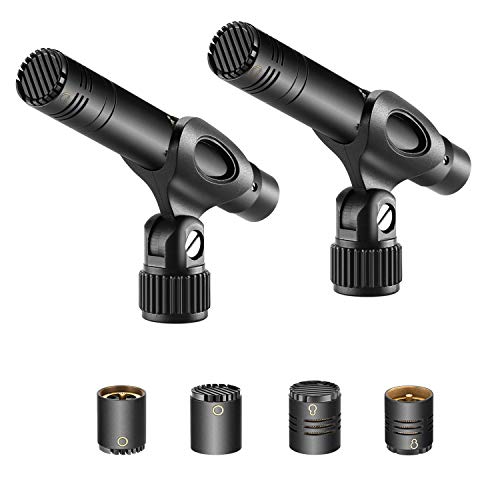 | NEEWER 2-Pack Pencil Stick Condenser Mic w Interchangeable O | 7.0/10 |
View on Amazon Free Shipping & 30-Day Returns |
 | Podcast Equipment Bundle, Recording Studio Package with Podc | 6.3/10 |
View on Amazon Free Shipping & 30-Day Returns |
 | MOPFOL Adjustable Angle Wired Microphone Anti-Interference P | 6.1/10 |
View on Amazon Free Shipping & 30-Day Returns |
📋 How We Evaluated
Evaluation weighed build quality, gain before feedback, and vocal clarity on a loud stage. Phantom-power needs, polar pattern, and shock isolation shaped the scores. Amazon rating signals were unavailable, so feature fit and real-world suitability drove the ranking.
Detailed Reviews
Shure BETA 87A Condenser Vocal Microphone with Pop Filter🏆 Editor’s Pick
| Polar Pattern | Supercardioid |
| Type | Condenser, phantom power required |
| Dynamic Range | 117 dB |
| Pop Control | Built-in pop filter and low-frequency roll-off |
What We Found
The BETA 87A is a handheld supercardioid condenser built for stage vocals. A smooth response with a gradual presence rise keeps consonants bright. Vocals stay defined against drums and guitars. The pattern stays consistent, which raises gain before feedback around floor monitors.
An electronic low-frequency roll-off limits proximity boom during close singing. A built-in pop filter cuts breath blasts without an extra screen. The dynamic range tracks quiet verses and loud peaks with low distortion. An advanced cartridge shock mount absorbs mechanical shock and handling noise.
Phantom power is required from a mixer or interface. This design favors singers who work the mic hard on loud stages. Metal construction suits nightly club and worship use. Detail stays crisp without the thin edge some live condensers add.
💬 My Take
My read is that this is the clearest purpose-built live condenser in the group. I would pick it when feedback control matters as much as vocal detail.
Who It’s For
This mic suits lead singers in bands, touring acts, and houses of worship. It works when monitors sit close and the room is loud. Close-mic technique stays balanced because the roll-off tames bass. Sound engineers who want condenser detail without constant feedback hunting will appreciate the pattern.
Performers who already run phantom power on a digital mixer get the most value. It is less ideal for acoustic rooms that need a wide, airy studio tone.
✅ Pros
- Supercardioid focus rejects monitors and raises usable gain.
- Built-in pop filter and roll-off keep close vocals clean.
- Wide dynamic range captures soft and loud phrases with low distortion.
❌ Cons
- Phantom power is mandatory, so passive mixers will not drive it.
- The tight pattern punishes singers who drift off axis.
- Price is typically higher than a basic dynamic vocal mic.
Shure SM86 Cardioid Condenser Vocal Microphone for Professio🥈 Runner-Up
| Type | Cardioid condenser vocal mic |
| Power | 11 to 52 VDC phantom |
| Isolation | Three-point shock mount |
| Pop Filter | Two-stage internal filter, no cable |
What We Found
The SM86 is a cardioid condenser vocal mic made for professional live use. A condenser cartridge aims for studio-like detail on stage. The frequency response is tailored for clear vocal reproduction rather than a flat studio curve. A built-in three-point shock mount reduces handling noise during movement.
A two-stage pop filter cuts wind and breath without a bulky external screen. Rugged construction is meant to survive touring. Phantom power from 11 to 52 volts DC is required. A mixer, console, or supply such as the Shure PS1A can feed it.
Shure recommends a load of at least 600 ohms. Loads near 150 ohms can drop output and clipping headroom. No cable is included, so a quality XLR lead is a separate buy.
💬 My Take
I see this as the practical runner-up for singers who want condenser tone on stage. I would choose it when the tighter BETA 87A pattern feels too restrictive.
Who It’s For
The SM86 fits vocalists who want condenser clarity with a handheld stage form. It suits clubs, theaters, and worship teams that already supply phantom power. The shock mount and pop filter help singers who grip the body and work close.
Engineers who dislike external screens on a vocal stand will like the internal filtering. It is a strong alternative when the BETA 87A pattern feels too narrow. Skip it if the board cannot send phantom power.
✅ Pros
- Stage-focused condenser voicing stays clear in a live mix.
- Shock mount and two-stage filter control handling noise and breath.
- Touring-grade body is tougher than most studio condensers.
❌ Cons
- Phantom power is required on every channel that uses it.
- No XLR cable ships in the box.
- Cardioid coverage is wider than a supercardioid, so monitors need care.
Shure KSM8 Dualdyne Dynamic Vocal Microphone – Dual-Diaphrag
| Type | Dual-diaphragm dynamic cardioid |
| Design | Dualdyne reverse airflow |
| Grille | Hardened carbon steel, hydrophobic lining |
| Power | No phantom power required |
What We Found
The KSM8 Dualdyne is a cardioid dynamic vocal microphone, not a condenser. Shure uses two ultra-thin diaphragms and reverse airflow for a more natural dynamic tone. The brand describes condenser-like clarity without a condenser capsule. Proximity effect stays controlled, so working distance can change without heavy bass shifts.
A diaphragm stabilization system resists plosives and impact. A neodymium magnet in SoftMag material is meant to raise output. The carbon-steel grille is dent resistant and lined with hydrophobic fabric against water and wind. That durability suits outdoor stages and hard touring. Because it is dynamic, phantom power is unnecessary.
It belongs in a live-vocal shortlist, yet it does not satisfy a strict condenser requirement. Singers who fear fragile condensers may still prefer this design.
💬 My Take
I consider the KSM8 a superb live vocal mic that simply misses the condenser brief. I would choose it when toughness outranks capsule type.
Who It’s For
Touring vocalists and broadcast hosts who want natural tone and extreme toughness are the audience. Houses of worship and outdoor festivals benefit from the weather-minded grille. Engineers who fight proximity boom on dynamic mics will notice the working-distance flexibility. It is ideal when phantom power is unreliable.
It is the wrong answer for buyers who specifically need a condenser capsule and its air. Premium pricing expects professional use, not a first karaoke mic.
✅ Pros
- Proximity control keeps tone steady as the singer moves.
- Dent-resistant grille and hydrophobic lining handle rough stages.
- High output helps the vocal cut without a condenser capsule.
❌ Cons
- It is not a condenser, despite condenser-like marketing language.
- Premium cost is hard to justify for casual stages.
- Dynamic tone still will not match a true condenser top end.
iCON Pro Audio Thunder X 32mm Large Diaphragm Handheld Conde💰 Best Value
| Diaphragm | 32 mm gold-plated |
| Pattern | Cardioid |
| Power | 48V phantom power |
| Body | Zinc alloy with internal shock mount |
What We Found
The Thunder X is a handheld condenser with a 32 mm gold-plated large diaphragm. The maker pitches studio warmth and air for live singing. A cardioid pattern aims for source separation and feedback rejection on loud stages. Internal parts include Fairchild resistors, Wima capacitors, and silver-plated wiring for low distortion.
A shock-mounted capsule and zinc-alloy body target handling noise. A shock-mount clip is included. Operation needs 48-volt phantom power from an interface or mixer. The brand positions it for singers, rappers, and interviewers. Large-diaphragm handheld designs can sound fuller than small capsules, yet they can also be more feedback prone.
Independent stage proof is thinner than the Shure live line. Still, the parts list and form factor match the live condenser brief better than studio side-address models.
💬 My Take
I find the Thunder X interesting as a value condenser for handheld live vocals. I would test it on actual monitors before trusting it as a main mic.
Who It’s For
This mic fits creators who sing, rap, or host interviews and want one handheld condenser. It suits small stages and practice rooms with a 48-volt mixer or interface. The included clip lowers the extra-gear bill. Buyers who like a warmer large-diaphragm tone may prefer it over pencil condensers.
Touring pros who need proven gain before feedback should still compare it with Shure live models. It is a value-leaning stage condenser, not a rental-house standard.
✅ Pros
- Large diaphragm adds warmth while staying handheld for stage use.
- Shock-mounted capsule and zinc body address handling noise.
- Included clip and premium-parts claim improve the value story.
❌ Cons
- Feedback behavior is less documented than long-running Shure stage mics.
- Cardioid pattern needs careful monitor placement on loud stages.
- 48-volt phantom power is required and not optional.
Shure SM58S Pro XLR Dynamic Vocal Microphone with On/Off Swi🥈 Runner-Up
| Type | Dynamic cardioid vocal mic |
| Switch | Integrated on/off mute |
| Power | No phantom power required |
| Grille | Hardened steel with internal pop filtering |
What We Found
The SM58S is a cardioid dynamic vocal microphone, not a condenser. It remains the default stage tool for clubs, tours, and worship rooms. A tuned response keeps vocals warm and present in a dense mix. The cardioid pattern picks up the front and rejects side noise.
A hardened grille plus internal filtering reduces plosives, breath, and handling noise. Close singing stays controlled during energetic sets. An on/off switch mutes the channel between songs without pulling the XLR cable. No phantom power is required, which simplifies small PA rigs.
Build quality is famous for surviving drops and long tours. For this condenser-focused search, the SM58S is a reliable fallback rather than a tonal match. The switch helps shared mics at open mics and presentations.
💬 My Take
I trust it as a bulletproof vocal workhorse, but not as a condenser substitute. I would reach for it when toughness beats sparkle.
Who It’s For
Choose the SM58S when the priority is durability and simple setup, not studio-style air. It fits singers, speakers, and rental stages that cannot guarantee phantom power. The switch helps hosts mute between speakers. Bands that already know the SM58 tone will feel at home.
It is the wrong pick for artists chasing condenser sparkle and extended highs. Clubs and houses of worship rely on this shape every week.
✅ Pros
- Legendary stage durability needs almost no maintenance.
- Cardioid rejection and the mute switch suit shared live rigs.
- No phantom power keeps small PA setups simple.
❌ Cons
- It is a dynamic mic, so it lacks true condenser detail.
- Highs are warmer and less airy than a live condenser.
- The on/off switch can be bumped off during a song.
RØDE NT1 Signature Series Studio Condenser Microphone, Black
| Type | Large-diaphragm studio condenser |
| Pattern | Tight cardioid |
| Included | SM6 mount, pop filter, XLR, dust cover |
| Noise | Very low self-noise |
What We Found
The NT1 Signature Series is a large-diaphragm studio condenser in black. Rode includes an SM6 shock mount with pop filter, an XLR cable, and a dust cover. The voicing follows the long-running NT1 sound used on many records.
Self-noise is described as among the lowest available, which helps quiet vocal takes. A tight cardioid pattern focuses on the voice and rejects room sound. The bundle is ready for an interface and a desk, not a handheld stage slot.
Large-diaphragm studio bodies are sensitive to handling, wind, and monitor spill. Nothing in the feature list describes a stage grille or touring shell. Whisper-quiet noise is a studio advantage that matters less beside a drum kit. This is an excellent vocal recorder and a cautious live choice at best.
💬 My Take
My read is that the NT1 Signature is a polished studio vocal mic with a generous kit. I would leave it off the loud stage.
Who It’s For
Studio singers, podcasters, and streamers who want a complete vocal chain should look here. The mount, filter, and cable remove several extra purchases. A quiet room lets the low self-noise show its value. Live performers would need a stand, careful gain, and strong monitor control.
It is a poor grab-and-go handheld mic. Buyers focused on stage feedback should spend on a live vocal condenser instead. Home studios get the real benefit of this bundle.
✅ Pros
- Complete mount, filter, and cable bundle speeds studio setup.
- Very low self-noise suits soft vocals and close speech.
- Cardioid focus rejects a fair amount of room sound.
❌ Cons
- Studio body is not built for handheld live abuse.
- Monitor bleed and handling noise will show up on stage.
- The bundle cost is wasted if the mic never leaves a stand at home.
Audio-Technica AT2020 Cardioid Condenser Studio XLR Micropho
| Address | Side-address studio condenser |
| Pattern | Cardioid |
| Diaphragm | Low-mass custom design |
| Best Use | Project and home studio |
What We Found
The AT2020 is a side-address cardioid condenser aimed at project and home studios. It set a long-running price-to-performance mark in that category. A low-mass diaphragm extends frequency response and improves transient speed. High SPL handling and a wide dynamic range add versatility for vocals and instruments.
The cardioid pattern reduces sound from the sides and rear, which helps isolation in a treated room. None of the listed features mention a handheld grille, stage shock system, or touring shell. Side-address form needs a stand and usually a separate pop filter.
Live stages add handling, wind, and monitor bleed this design does not target. It can work for a quiet seated vocal if phantom power and a stand are ready. It is a studio tool placed in a live-performance search.
💬 My Take
I would keep the AT2020 in the studio where its voicing belongs. My read is that it is not a serious live-performance condenser.
Who It’s For
Home recordists and streamers get the intended value here. A treated desk, boom arm, and interface with phantom power complete the setup. Singer-songwriters who track vocals and acoustic guitar at moderate levels will like the price. It is a poor handheld choice for a loud band or outdoor stage.
Vibration and breath will show up without a shock mount and filter. Buy it for the studio corner, not the vocal wedge line.
✅ Pros
- Strong studio clarity at a widely known entry price.
- Wide dynamic range and high SPL handling add recording flexibility.
- Cardioid rejection helps in a basic treated room.
❌ Cons
- Side-address body is awkward and fragile for handheld stage use.
- No included stage pop filter or touring shock system is listed.
- Monitor feedback risk is higher than with a supercardioid live vocal mic.
NEEWER 2-Pack Pencil Stick Condenser Mic w Interchangeable O
| Form | Pencil stick condenser, two-pack |
| Capsules | Cardioid, omni, supercardioid |
| Mount | 5/8-inch clip and foam windscreen |
| Case | Foam-padded aluminum |
What We Found
This NEEWER set is a pair of pencil stick condensers with interchangeable capsules. Cardioid, omnidirectional, and supercardioid heads cover different recording jobs. The maker lists studio vocals, acoustic instruments, strings, horns, orchestras, choirs, and some live sound uses. A 5/8-inch clip fits common stands. Foam windscreens reduce air blasts.
A foam-padded aluminum case protects the pair in transit. Pencil condensers excel as overheads, choir mics, and instrument spots. They are a weak match for a lead singer who needs a rugged handheld vocal mic. No onboard pop filter or handheld shock system is described.
Phantom power is typical for this class, though the listing does not state the voltage. Use the set to capture a band or ensemble, not to replace a vocal condenser in the hand.
💬 My Take
I would keep this pair for ensembles and overheads. Do not hand it to a lead singer as the main live vocal mic.
Who It’s For
Choir directors, acoustic duos, and engineers who mic ensembles will get the most from the capsule set. The case helps small venues that move gear often. A singer who only needs one handheld vocal mic should look elsewhere.
These sticks can support a live orchestra or a quiet folk set on stands. They do not solve close-miked lead vocals in a rock mix. Budget buyers who need flexibility across instruments may still find the pair useful.
✅ Pros
- Three capsules cover vocals, ambience, and tighter live spots.
- Padded case and clips make small-venue transport easier.
- Useful as choir or instrument mics when stands are available.
❌ Cons
- Pencil shape is a poor handheld lead-vocal tool.
- No stage-grade pop filter or handheld shock mount is listed.
- Phantom voltage is not clearly specified in the feature list.
Podcast Equipment Bundle, Recording Studio Package with Podc
| Format | USB streaming bundle with sound card |
| Mics | Two condenser mics, suspension arms |
| Effects | Voice modes and sound effects |
| Connection | USB-C, multi-device claims |
What We Found
This bundle is a streaming package with a voice changer, live sound card, and condenser mics. It advertises noise reduction, a metal mesh, and foam for plosives. A DSP chip is said to optimize sound in real time. USB-C connectivity targets computers, phones, and tablets.
Four voice modes and multiple effects aim at TikTok, podcasts, and games. Compatibility claims cover Windows, Mac, Android, iOS, and consoles. Instrument inputs for guitar, bass, and electronic drums are listed. Two broadcast-style condensers and suspension arms are mentioned.
Omnidirectional capture fights the goal of a focused live vocal on a loud stage. Voice effects and a mixer console do not replace gain-before-feedback design. This kit serves bedroom streams, not a professional vocal performance.
💬 My Take
I would treat this as a starter streaming toy. It does not compete with a real stage condenser.
Who It’s For
Beginner streamers and casual podcasters who want effects in one box are the fit. USB-C plug-and-play avoids a separate audio interface. Voice modes may entertain social video, not a concert mix. A band, theater, or worship vocalist needs XLR, a tight pattern, and a tough grille.
Omnidirectional pickup will grab the room and the monitors. Skip this bundle when the job is a real live vocal performance.
✅ Pros
- All-in-one effects and USB-C suit quick streaming setups.
- Included arms and two mics lower the starter cost.
- Broad device claims help phones, computers, and consoles.
❌ Cons
- Omnidirectional capture is a poor match for loud stages.
- Voice-changer processing is not a professional live vocal chain.
- Build and pattern specs are too vague for serious performance use.
MOPFOL Adjustable Angle Wired Microphone Anti-Interference P
| Style | Vintage retro condenser |
| Sensitivity | -47 dB plus or minus 3 dB |
| Impedance | 2.2 kilohm |
| Build | Plastic body, adjustable stand |
What We Found
The MOPFOL is a wired vintage-style condenser sold for parties, karaoke, and stage looks. Sensitivity is listed at -47 dB plus or minus 3 dB, with 2.2 kilohm impedance. The maker claims high signal output and clear sound. An adjustable stand changes the angle for performance or recording.
The body uses plastic with a metal-look exterior, so it is light rather than tour-tough. Classic styling is the main feature, aimed at gifts and themed sets. Anti-interference and plug-and-play claims appear in the title, yet connector and power details stay vague.
No polar pattern, SPL rating, or shock-mount spec is provided. A retro prop can look fun on a small stage. It does not match professional live-condenser requirements for feedback control or durability.
💬 My Take
I would buy the look here, not the performance. A professional stage condenser lives in a completely different class.
Who It’s For
This mic is for costume parties, karaoke nights, and gift buyers who want a retro look. A lightweight plastic body is easier to carry than a metal stage mic. The flexible stand helps a tabletop setup. Serious singers should not rely on it against drums or loud monitors.
Missing pattern and power specs make system planning hard. Treat it as a novelty piece, not a performance tool. Friends who sing for fun may enjoy the old-fashioned shape.
✅ Pros
- Adjustable stand supports karaoke and small stage angles.
- Light plastic body is easy to move and gift.
- Retro styling adds visual interest at parties.
❌ Cons
- Plastic construction will not survive real touring.
- Polar pattern, phantom needs, and SPL limits are unspecified.
- Sound claims lack the detail needed for a loud live mix.
What to Look For Before Buying
A live condenser must survive monitors, handling, and close singing. Pattern, power, and mechanical isolation matter more than studio hype. Match the mic to the mixer and the stage volume. A pretty frequency chart will not fix feedback.
Check Polar Pattern And Feedback
Supercardioid and cardioid patterns reject sound behind or beside the mic. Tighter patterns allow more gain before monitors howl. They also demand accurate mic technique. Singers who move off axis will lose level and tone. Test the mic with the real wedge placement before show day.
Value Phantom Power And Mixer Fit
Condensers need phantom power, often 48 volts, from the mixer or interface. Confirm every vocal channel can supply it. Dynamic mics in this list do not. A dead channel on stage usually means missing power, not a broken capsule. Carry a reliable supply if the house board is unknown.
Rating Handling Noise And Pop Control
Handheld use creates thumps that studio mounts never see. Look for an internal shock mount and a real pop filter. External screens help, yet they can fall off mid-song. Low-frequency roll-off keeps close singing from booming. Listen for breath blasts at performance volume, not in a quiet room.
Verify Stage Durability Versus Studio Polish
Studio condensers often sound beautiful and fail the first rough gig. Check grille strength, body material, and whether a cable is included. Plastic novelty mics and USB effect boxes are not touring tools. Pencil condensers belong on stands for choirs and instruments.
Verify return policies, then rehearse at full band volume.
Frequently Asked Questions
Does a live show need a condenser microphone?
A condenser can add detail and air that many dynamics soften. It also needs phantom power and careful gain. Loud rock stages often favor a tough dynamic or a stage-specific condenser. Choose the capsule that stays clean in front of the monitors.
Why do some condensers feed back on stage?
Condensers are sensitive, and wide patterns hear the monitors. High gain then loops into a howl. A supercardioid live vocal mic rejects more wedge sound than a studio side-address mic. Placement and EQ still matter after the right mic is chosen.
Is phantom power safe for these microphones?
Condenser models in this group expect phantom power from a proper mixer or supply. Use the voltage range the maker lists. Do not feed phantom into vintage ribbons on the same careless patch. Turn channels down before connecting or disconnecting the XLR cable.
Can a studio condenser work for live vocals?
A studio condenser can work for a quiet seated performance on a stand. It struggles as a handheld mic near loud wedges. Shock, wind, and a wide pickup become problems fast. A purpose-built live condenser is the safer lead-vocal choice.
What should a singer pack besides the microphone?
Pack an XLR cable, a spare, and a stand clip that actually fits. Confirm the mixer sends phantom power. A small external pop filter helps models that lack internal filtering. Rehearse with the same monitors used at the show.
🎯 Final Verdict
I would shortlist the Shure BETA 87A as the top pick for live condenser vocals. Supercardioid focus, a built-in pop filter, and proximity roll-off keep a loud stage under control. Wide dynamic range tracks expressive singing without obvious strain.
The Shure SM86 is my strongest alternative when a slightly wider cardioid pattern feels easier to sing. Its shock mount and two-stage filter still target real touring. Skip studio side-address mics and novelty kits for this job. Confirm phantom power, then put the BETA 87A on the main vocal channel.

James Dimento is a Chief-in-Editor of SoundUnify. He is a headphone enthusiast and creative writer passionate about audio technology. He has three years of experience writing about headphones and sound quality and is responsible for creating reviews and taking care of all administration.