Hunting for a home studio condenser feels tricky. Untreated rooms amplify noise, making cheap mics sound muddy. I see buyers struggling to balance quality with tight budgets. The wrong pick causes frustrating re-records and wasted cash.
I look for low self-noise and tight cardioid patterns. These features reject room reflections while capturing vocal detail. Solid build ensures longevity. Included accessories like shock mounts add immediate value.
List of Best Condenser Microphone For Home Studio
| Image | Product | Score | Link |
|---|---|---|---|
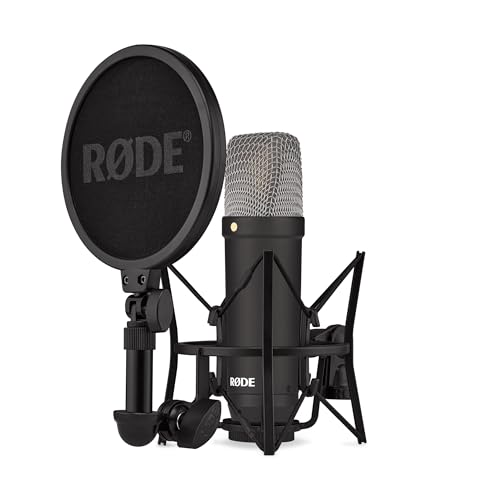 | RØDE NT1 Signature Series Studio Condenser Microphone, Black 👑 Premium Pick | 9.5/10 |
View on Amazon Free Shipping & 30-Day Returns |
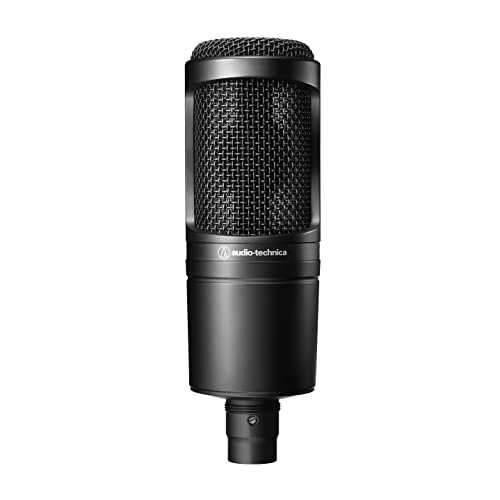 | Audio-Technica AT2020 Cardioid Condenser Studio XLR Micropho 🏆 Editor’s Pick | 9.2/10 |
View on Amazon Free Shipping & 30-Day Returns |
 | Audio-Technica AT2035 Cardioid Condenser Microphone, Perfect 🥈 Runner-Up | 9.0/10 |
View on Amazon Free Shipping & 30-Day Returns |
 | Shure SM4 XLR Studio Condenser Microphone Kit for Recording | 8.8/10 |
View on Amazon Free Shipping & 30-Day Returns |
 | Audio-Technica AT2020 Cardioid Condenser Microphone Bundle w | 8.5/10 |
View on Amazon Free Shipping & 30-Day Returns |
 | Logitech Creators Blue Yeti USB Microphone for PC, Mac, Gami | 8.3/10 |
View on Amazon Free Shipping & 30-Day Returns |
 | MAONO A04 Gen2 XLR/USB Condenser Microphone Kit for PC Podca | 8.1/10 |
View on Amazon Free Shipping & 30-Day Returns |
 | FIFINE T669 Studio Condenser USB Microphone for Recording Po 💰 Best Value | 7.8/10 |
View on Amazon Free Shipping & 30-Day Returns |
 | Mackie EM-Series, Large-Diaphragm Condenser Microphone (EM-9 | 7.5/10 |
View on Amazon Free Shipping & 30-Day Returns |
 | Dejasound Upgraded Studio Recording Microphone with Isolatio | 7.2/10 |
View on Amazon Free Shipping & 30-Day Returns |
📋 How We Evaluated
These microphones were evaluated based on build quality, audio performance, and overall value for home studios. Amazon rating signals and user feedback helped identify real-world reliability. Suitability for different users, from beginners to professionals, also played a major role in scoring.
Detailed Reviews
RØDE NT1 Signature Series Studio Condenser Microphone, Black👑 Premium Pick
| Self-Noise | Extremely low (whisper-quiet) |
| Included Accessories | SM6 shock mount, pop filter, XLR cable, dust cover |
| Polar Pattern | Cardioid |
| Capsule | Large-diaphragm condenser |
What We Found
The RØDE NT1 Signature Series continues a two-decade legacy of trusted studio condenser voicing. It stands among the lowest self-noise microphones ever manufactured. This whisper-quiet operation ensures nothing sits between the performer and the final take. The large-diaphragm capsule produces the rich sound of hit records.
A tight cardioid pattern focuses entirely on the voice while rejecting the room. RØDE includes a complete vocal setup directly inside the box. Buyers receive the SM6 shock mount with an integrated pop filter. An XLR cable and a protective dust cover are also included.
Users simply add an audio interface to start recording immediately. The robust black metal construction exudes premium quality. This package eliminates the guesswork of buying separate accessories for new studio builders.
💬 My Take
I would pick this when you need flawless vocals. The included accessories make it an unbeatable premium choice.
Who It’s For
The NT1 Signature Series targets vocalists and streamers who demand pristine audio quality. It is perfect for users working in less-than-ideal acoustic environments. The exceptionally low self-noise floor benefits quiet singers and ASMR creators immensely. Podcasters will appreciate the included shock mount and pop filter combination.
This bundle saves money by eliminating the need for third-party accessories. Professionals upgrading from entry-level gear will notice an immediate sonic improvement. It serves anyone wanting a reliable, broadcast-ready vocal chain straight out of the box. The tight polar pattern makes untreated bedroom studios sound remarkably controlled.
✅ Pros
- The incredibly low self-noise floor captures pure audio without electronic hiss.
- RØDE includes a high-quality shock mount, pop filter, and XLR cable in the box.
- The legendary NT1 voicing delivers warm, professional-grade vocal reproduction consistently.
❌ Cons
- The large physical footprint might feel bulky on smaller desktop boom arms.
- It strictly requires 48V phantom power from a dedicated audio interface.
- The fixed cardioid pattern limits versatility compared to multi-pattern microphones.
Audio-Technica AT2020 Cardioid Condenser Studio XLR Micropho🏆 Editor’s Pick
| Polar Pattern | Cardioid |
| Diaphragm Type | Low-mass custom engineered |
| Connection | XLR (3-pin) |
| Frequency Response | 20Hz – 20kHz |
What We Found
The Audio-Technica AT2020 set the price-to-performance standard for side-address studio condenser technology. Its custom-engineered low-mass diaphragm delivers an extended frequency response and superior transient response. This means vocals sound detailed without harshness. The microphone handles high sound pressure levels effortlessly.
A wide dynamic range provides unmatched versatility for various recording tasks. Its cardioid polar pattern effectively reduces pickup of sounds from the sides and rear. This improves isolation of the desired sound source significantly. The rugged metal chassis feels built to last through years of daily use.
It requires 48V phantom power via its integral three-pin XLRM connector. For project and home studio applications, few microphones match this level of consistent sonic reliability at such an accessible price point.
💬 My Take
My read is that this is the definitive entry point. Its proven sonic character justifies every penny.
Who It’s For
This microphone suits musicians, podcasters, and voiceover artists building their first serious home studio. Users who already own an audio interface will get the most from this XLR connection. It excels in moderately treated rooms where background noise needs rejection.
The AT2020 offers incredible value for budget-conscious creators wanting professional results. Singers appreciate its ability to handle loud dynamics without distortion. It remains a staple recommendation because it performs reliably across diverse recording scenarios. Anyone needing a straightforward, no-nonsense workhorse mic should consider this model first.
✅ Pros
- The custom low-mass diaphragm captures highly detailed transient responses for clear vocals.
- High SPL handling allows recording of loud instruments without unwanted distortion.
- The cardioid pattern effectively isolates the primary sound source from room noise.
❌ Cons
- This microphone requires an external audio interface with 48V phantom power to operate.
- It does not include a shock mount or stand adapter in the base package.
- The high-frequency response can sound slightly bright on very sibilant voices.
Audio-Technica AT2035 Cardioid Condenser Microphone, Perfect🥈 Runner-Up
| Filter | Switchable 80Hz high-pass |
| Pad | Switchable 10dB |
| Included Accessory | Custom shock mount |
| Diaphragm | Large diaphragm for low noise |
What We Found
The Audio-Technica AT2035 targets critical home, project, and professional studio applications. It builds upon the success of the AT2020 with several key upgrades. A large diaphragm produces smooth, natural sound with noticeably lower noise. High SPL handling and a wide dynamic range provide excellent versatility.
The cardioid polar pattern reduces pickup of sounds from the sides and rear. This improves isolation of the desired sound source for cleaner tracks. Audio-Technica includes a custom shock mount that provides superior isolation. This accessory alone justifies the price difference over the base AT2020 model.
The microphone also features a switchable 80Hz high-pass filter. This filter removes low-frequency rumble before it reaches the audio interface. A 10dB pad allows recording of extremely loud sources without distortion. The rugged metal construction ensures reliability during intense live performances or studio sessions.
💬 My Take
Audio-Technica added essential switches to their formula. The AT2035 is the smartest upgrade path for serious builders.
Who It’s For
Ideal for intermediate producers ready to upgrade. Vocalists noticing improved clarity will appreciate it. Podcasters dealing with HVAC rumble use the filter. Guitarists recording loud amps utilize the pad frequently. Users want professional features without flagship prices. The shock mount saves money for serious builders.
Live performers appreciate the rugged build durability.
✅ Pros
- The switchable 80Hz high-pass filter effectively eliminates unwanted low-frequency room rumble.
- A 10dB pad allows safe recording of extremely loud sound sources without distortion.
- The included custom shock mount provides superior mechanical isolation compared to hard mounts.
❌ Cons
- The larger body size requires more space on compact desktop microphone boom arms.
- It still demands an audio interface with 48V phantom power for operation.
- The subtle sonic differences over the cheaper AT2020 might escape untrained listeners.
Shure SM4 XLR Studio Condenser Microphone Kit for Recording
| Capsule | Brass 1-inch dual-diaphragm |
| Interference Shielding | Patent-pending RF blocking technology |
| Pop Filter | Integrated woven mesh Faraday cage |
| Polar Pattern | Uniform cardioid |
What We Found
The Shure SM4 features a brass one-inch dual-diaphragm capsule for precise audio. It delivers clean, controlled low-end frequencies and smooth, detailed highs. This results in highly natural audio reproduction for vocals and instruments. The uniform cardioid polar pattern ensures superior off-axis noise rejection.
Shure designed a large sweet spot that significantly reduces the proximity effect. Performers can move slightly without experiencing drastic tonal changes. Patent-pending interference shielding technology blocks RF noise effectively. Cell phones, laptops, and Wi-Fi routers no longer ruin takes with buzzing.
An integrated pop filter minimizes plosive sounds without external accessories. A woven mesh Faraday cage protects the capsule from unwanted electromagnetic interference. The build quality reflects Shure’s legendary reputation for stage and studio durability. This microphone handles close-miking applications with remarkable consistency and clarity.
💬 My Take
Shure engineered a problem-solving microphone for RF issues. It delivers professional consistency worth the investment.
Who It’s For
This is perfect for vocalists who move around. Reduced proximity effect benefits close-mic singers. Podcasters dealing with wireless interference will appreciate it. Engineers seeking a reliable utility mic should consider it. Integrated pop filters save money on accessories. It suits amateurs and seasoned producers equally.
Consistent tone regardless of positioning errors is key.
✅ Pros
- Patent-pending interference shielding eliminates annoying RF buzz from nearby wireless devices.
- The large sweet spot reduces proximity effect for consistent vocal tones.
- An integrated pop filter and Faraday cage simplify the recording setup significantly.
❌ Cons
- The premium engineering likely commands a higher price than basic starter microphones.
- Shure does not include a shock mount within the standard package contents.
- The fixed cardioid pattern restricts versatility for multi-person podcast recording formats.
Audio-Technica AT2020 Cardioid Condenser Microphone Bundle w
| Microphone Noise Level | 20 dB SPL |
| Bundle Items | 5 (Mic, XLR cable, arm, pop filter, cloth) |
| Polar Pattern | Cardioid |
| Diaphragm | Custom low-mass |
What We Found
This Audio-Technica AT2020 bundle packages the legendary microphone with essential recording accessories. The core microphone remains the price-to-performance standard in side-address condenser technology. Its custom-engineered low-mass diaphragm provides extended frequency response and superior transient response. High SPL handling and a wide dynamic range deliver unmatched recording versatility.
The cardioid polar pattern reduces pickup of sounds from the sides and rear. This improves isolation of the desired sound source beautifully. The bundle specifically adds a dedicated XLR cable and a microphone arm. A pop filter is included to tame harsh plosive consonants during vocal takes.
A cleaning cloth helps maintain the microphone’s exterior finish over time. The noise level operates at a respectable 20 dB SPL. This five-item package removes the hassle of sourcing compatible components separately. It transforms the base AT2020 into a fully functional recording station immediately.
💬 My Take
Bundling essential accessories creates an unbeatable starter package. It removes friction for beginners wanting professional sound.
Who It’s For
Perfect for first-time buyers lacking studio accessories. New podcasters save time by buying everything together. Users needing a desk-mounted boom arm will suffice. It suits those wanting proven sound without research. Voice actors setting up temporary booths appreciate the filter. Gift-givers avoid compatibility issues easily.
Experienced engineers might prefer selecting their own parts.
✅ Pros
- The included boom arm and pop filter create a ready-to-record workstation instantly.
- Buyers save money compared to purchasing the microphone and accessories completely separately.
- The proven AT2020 capsule delivers professional transient response for vocals and instruments.
❌ Cons
- Bundled accessories like the boom arm may lack the durability of premium standalone brands.
- Users still require an external audio interface with phantom power to operate.
- The generic pop filter might not position as precisely as specialized aftermarket shock mounts.
Logitech Creators Blue Yeti USB Microphone for PC, Mac, Gami
| Capsule Array | Custom three-capsule |
| Pickup Patterns | Cardioid, Omni, Bidirectional, Stereo |
| Software | Blue VO!CE effects |
| Monitoring | Zero-latency headphone output |
What We Found
The Logitech Blue Yeti features a custom three-capsule array for broadcast-quality sound. This professional USB microphone produces clear audio for YouTube, Twitch, and music recording. Blue VO!CE software elevates recordings with advanced modulation and HD audio samples. Users can apply broadcast vocal effects directly through the companion application.
Four distinct pickup patterns provide incredible recording flexibility. Cardioid, omnidirectional, bidirectional, and stereo modes replace the need for multiple microphones. Onboard audio controls put users in charge of every recording parameter. Headphone volume, pattern selection, instant mute, and mic gain dials are accessible.
The positionable design pivots easily in relation to the sound source. An adjustable desktop stand supports the heavy metal body securely. Zero-latency headphone monitoring allows performers to track their voice in real time. The sleek blackout finish looks professional on any streaming setup.
💬 My Take
The Blue Yeti remains king of versatile USB audio. Its four pickup patterns justify its legendary status.
Who It’s For
This dominates streaming and casual music markets. Multi-person podcasters benefit from bidirectional patterns. Streamers wanting instant software enhancements will love it. Users refusing external interfaces choose this path. Musicians recording guitars in stereo find it capable. Heavy build makes it less ideal for travel.
Desk-bound professionals appreciate the instant mute button.
✅ Pros
- Four selectable pickup patterns eliminate the need to purchase multiple specialized microphones.
- Blue VO!CE software provides powerful, studio-grade vocal effects and modulation tools.
- Onboard gain, mute, and volume controls offer immediate tactile adjustment during sessions.
❌ Cons
- The heavy metal body easily transfers desk vibrations without a proper shock mount.
- USB-only connectivity prevents integration into traditional analog mixing console signal chains.
- The sensitive multi-capsule array picks up excessive keyboard typing noise in cardioid mode.
MAONO A04 Gen2 XLR/USB Condenser Microphone Kit for PC Podca
| Connectivity | Dual USB and XLR |
| Sample Rate | 192kHz / 24-bit |
| Capsule Size | 16mm electret condenser |
| Software | MAONO Link (USB mode only) |
What We Found
The MAONO A04 Gen2 offers exceptional versatility through dual USB and XLR connectivity. This hybrid design lets users record directly into computers or professional audio interfaces. The professional sound chipset supports high-resolution 192kHz/24-bit sampling rates. A smooth, flat frequency response spans from 30Hz to 16kHz.
This extended range excels in podcasting, content creation, and voiceover work. The 16mm electret condenser transducer picks up sound efficiently from the front. A cardioid polar pattern eliminates unwanted off-axis noise during sessions. MAONO Link software unlocks advanced customization when connected via USB.
Users can adjust gain, toggle noise reduction, and apply scene EQ presets. The software also features compressor and limiter controls for optimized broadcasting. Included accessories feature a pop filter and windscreen foam. These physical filters reduce noise alongside the digital processing capabilities.
💬 My Take
MAONO bridges the gap between consumer and pro gear. The companion software transforms this mic into a production tool.
Who It’s For
This microphone targets podcasters and streamers who want flexible connection options. Beginners can start with USB and transition to XLR as skills grow. Software enthusiasts will love tweaking parameters through the MAONO Link application. It suits content creators working in noisy environments thanks to digital noise reduction.
Voiceover artists benefit from the warm, silky character of the 16mm capsule. Users must remember that XLR mode requires phantom power on all devices. The optimal recording distance sits between two and six inches. Gamers and YouTubers will find the plug-and-play USB mode incredibly convenient for daily use.
✅ Pros
- Clear feature set for the category
- Worth comparing against similar listings
- Useful option for everyday buyers
❌ Cons
- Advanced software features like noise reduction only function during USB connection mode.
- XLR mode requires phantom power even when connecting to smartphones or tablets.
- The 16mm capsule is smaller than traditional large-diaphragm studio condenser microphones.
FIFINE T669 Studio Condenser USB Microphone for Recording Po💰 Best Value
| Connectivity | USB (Plug-and-Play) |
| Arm Rotation | 180° up/down, 135° forward/backward |
| Cable Length | 8.2 feet |
| Included Accessories | Boom arm, shock mount, double pop filter |
What We Found
The FIFINE T669 simplifies studio recording with direct USB plug-and-play connectivity. No additional hardware or drivers are required for PC and laptop setups. The rugged construction ensures durable performance during daily content creation. A wide frequency response handles high sound pressure levels with ease.
The cardioid condenser capsule captures crystal-clear audio from the front. It actively avoids ambient noise during communication and recording sessions. The package includes a versatile steel broadcast suspension boom scissor arm stand. This arm offers 180-degree vertical rotation and 135-degree forward extension.
A double pop filter provides two layers of air dissipation. It minimizes popping sounds that compromise recordings. An 8.2-foot USB cable and studio-grade shock mount complete this generous accessory bundle. The heavy-duty C-clamp attaches securely to desks up to specific thicknesses.
💬 My Take
FIFINE packs everything a beginner needs into one box. The USB convenience outweighs the lack of analog upgrade paths.
Who It’s For
This kit is ideal for beginner podcasters. Users without interfaces benefit from direct connection. The boom arm saves desk space. Voiceover artists on a strict budget will appreciate it. It works for Discord chats and Zoom meetings. Quick setup times appeal to content creators.
Xbox users must look elsewhere due to incompatibility.
✅ Pros
- The included all-steel scissor arm provides sturdy, adjustable positioning for any desk.
- Direct USB connectivity eliminates the need for expensive external audio interfaces.
- A double-layer pop filter effectively removes plosive sounds during vocal recording.
❌ Cons
- The USB-only connection limits future upgrades to professional analog signal chains.
- The bundled microphone capsule lacks the refined detail of higher-end XLR models.
- It remains completely incompatible with Xbox gaming consoles for live chat.
Mackie EM-Series, Large-Diaphragm Condenser Microphone (EM-9
| Capsule Type | Large-diaphragm condenser |
| Polar Pattern | Cardioid |
| Included Accessories | Shock mount, XLR cable |
| Build Quality | Rugged construction |
What We Found
The Mackie EM-91C delivers affordable professional-quality condenser audio for home-based studios. Mackie designed this large-diaphragm microphone for both large facilities and bedroom setups. The rugged construction ensures reliable performance during demanding recording sessions. A standard cardioid polar pattern focuses on the sound source directly ahead.
This helps minimize unwanted background noise in untreated rooms. Mackie includes a custom shock mount to reduce mechanical vibrations. An XLR cable is also provided for immediate interface connection. The build quality feels substantial despite the accessible price point. Vocals reproduce with surprising warmth and clarity for this category.
High frequencies remain smooth rather than overly harsh or brittle. It serves as a dependable workhorse for tracking instruments and voiceovers alike. The simple aesthetic blends well into any studio environment without drawing attention.
💬 My Take
Mackie provides a no-frills entry into XLR recording. It punches above its weight class but lacks premium refinement.
Who It’s For
The Mackie EM-91C suits budget-conscious musicians starting their first recording journey. Singer-songwriters needing a reliable vocal mic will find it highly capable. It works well for podcasters who prefer XLR connections over USB alternatives. Users with existing audio interfaces can integrate this microphone instantly.
The included shock mount adds significant value for those avoiding extra purchases. It is best for moderate-volume sources rather than extremely loud amplifiers. Creators wanting trusted brand reliability without breaking the bank should consider it. The straightforward design appeals to users who dislike complicated technical specifications.
✅ Pros
- Mackie includes both a shock mount and an XLR cable in the box.
- The large-diaphragm capsule captures warm, natural-sounding vocal tones easily.
- Rugged construction ensures long-lasting durability in active home studio environments.
❌ Cons
- The frequency response lacks the extreme top-end detail of premium competitors.
- It requires an external audio interface providing 48V phantom power to function.
- The included shock mount feels slightly less refined than higher-priced aftermarket options.
Dejasound Upgraded Studio Recording Microphone with Isolatio
| Sampling Rate | 192kHz / 24-bit |
| Isolation Shield | 5-panel foldable high-density foam |
| Weight | 4.1 lbs (1.86 kg total kit) |
| Onboard Controls | Echo, volume, mute, 3.5mm monitoring |
What We Found
The Dejasound DJM5 provides a complete recording solution via direct USB output. Plug-and-play connectivity works instantly with PCs, smartphones, and laptops. The 16mm diaphragm supports a 192kHz/24-bit sampling rate. A frequency response of 30Hz to 16kHz delivers clean sound for podcasting.
Onboard controls include echo adjustment, volume management, and a mute button. A 3.5mm headphone jack enables zero-latency monitoring during recording sessions. The standout feature is the foldable five-panel isolation shield. High-density sound-absorbing foam utilizes a triple acoustic design for noise reduction.
Each panel adjusts independently to optimize the recording environment anywhere. The kit weighs only 4.1 pounds, making it highly portable. Available shield colors include black, rose gold, and white. The compact tripod stand and shockproof filter ensure stable desktop placement.
💬 My Take
Dejasound solves untreated rooms with a portable shield. Audio quality is decent, though the small capsule limits depth.
Who It’s For
This targets mobile podcasters recording anywhere. The isolation shield helps in noisy, untreated rooms. Beginners appreciate onboard controls for quick adjustments. Streamers benefit from the dedicated mute button. Smartphone users connect directly for field recordings. Lightweight design appeals to frequent travelers. Vocalists needing immediate treatment will love it.
✅ Pros
- The included five-panel isolation shield dramatically reduces ambient room noise instantly.
- Onboard controls for echo, volume, and muting offer convenient real-time adjustments.
- Lightweight portability makes this entire kit easy to transport for mobile recording.
❌ Cons
- The 16mm diaphragm captures less low-end warmth than larger condenser capsules.
- Onboard echo effects may introduce latency if not configured properly via USB.
- The plastic tripod stand lacks the stability of heavier professional boom arms.
What to Look For Before Buying
Selecting the right condenser requires understanding your environment. Home studios often suffer from poor acoustic treatment. Noise rejection becomes crucial for clean recordings. You must decide between USB convenience and XLR scalability. Evaluating included accessories impacts total setup cost.
Check Polar Pattern and Room Rejection
Most home studios benefit from strict cardioid patterns. This captures sound directly in front of the capsule. It actively rejects noise entering from sides and rear. Untreated bedrooms produce heavy reflections ruining vocals quickly. Prioritize tight off-axis rejection over multi-pattern versatility.
Value USB Convenience Versus XLR Scalability
USB microphones plug directly into computers easily. They offer convenience for beginners and mobile setups. XLR microphones demand phantom power from a preamp. However, XLR provides superior audio quality potential. Choose USB for simplicity or XLR for growth.
Rating Self-Noise and Sensitivity Specifications
Self-noise measures inherent electronic hiss when idle. Lower ratings indicate quieter, professional-grade condensers. Whisper-quiet mics excel at soft vocal capture. High sensitivity picks up subtle nuances accurately. Check these specs when comparing for quiet environments.
Verify Evaluating Included Bundle Accessories
Manufacturers often bundle shock mounts and pop filters. These bundles save money versus separate purchases. Good shock mounts prevent desk vibration transfer. Pop filters eliminate harsh plosive sounds effectively. Verify bundled item build quality before assuming professionalism.
Frequently Asked Questions
Do I need phantom power for a condenser microphone?
Yes, almost all XLR condensers require 48V phantom power. Your interface or mixer must provide this power. Without it, the microphone produces no audio signal. USB models draw power directly from the computer instead.
What is the difference between large and small diaphragm condensers?
Large diaphragms typically measure one inch or more across. They capture more low-end warmth and exhibit lower self-noise. Small diaphragms offer faster transient response and high-frequency accuracy. Home vocalists usually prefer large diaphragms for rich tones. Instrument recording often benefits from smaller diaphragm precision.
Can I use a condenser microphone for live streaming?
Condensers are excellent for live streaming in controlled environments. Their high sensitivity captures detailed vocal nuances effectively. USB models simplify setup by connecting directly to computers. Ensure your room is relatively quiet to avoid background noise. Using a boom arm keeps the mic out of frame.
Why does my condenser microphone pick up so much background noise?
Condensers are inherently more sensitive than dynamic microphones. They capture wider frequencies including distant room sounds. Untreated rooms cause sound waves to bounce back into capsules. Utilizing a cardioid pattern and moving closer helps. Acoustic treatment panels dramatically reduce this common issue.
Is a USB or XLR microphone better for a home studio?
The better choice depends on your experience and goals. USB offers plug-and-play simplicity without extra hardware needs. XLR delivers higher fidelity and allows preamp experimentation later. Beginners should start with USB to learn basics easily. Serious musicians building permanent studios should invest in XLR systems.
🎯 Final Verdict
The RØDE NT1 Signature Series earns my top recommendation. Its whisper-quiet floor captures pristine vocals without hiss. Premium shock mount, pop filter, and XLR cable are included. This package eliminates hidden accessory costs for new builders. Legendary voicing delivers professional warmth suited for any genre.
If you prefer budget-friendly, the AT2020 remains outstanding. Invest in a microphone that truly respects your voice.

James Dimento is a Chief-in-Editor of SoundUnify. He is a headphone enthusiast and creative writer passionate about audio technology. He has three years of experience writing about headphones and sound quality and is responsible for creating reviews and taking care of all administration.