I compared nine XLR condenser microphones aimed at vocal recording, from studio staples like the AT2020 and RØDE NT1 to budget bundles from MAONO and Mackie. The real tension: bare mics demand extra gear, while kits include cables, arms, and pop filters you may not need.
As you read, weigh what each listing actually offers. The NT1 touts near-silent self-noise; the MAONO PM320S requires 48V phantom power; the A04 Gen2 adds USB flexibility. Some ship complete vocal setups, others leave the interface to you.
List of Best Xlr Condenser Microphone For Vocals
| Image | Product | Score | Link |
|---|---|---|---|
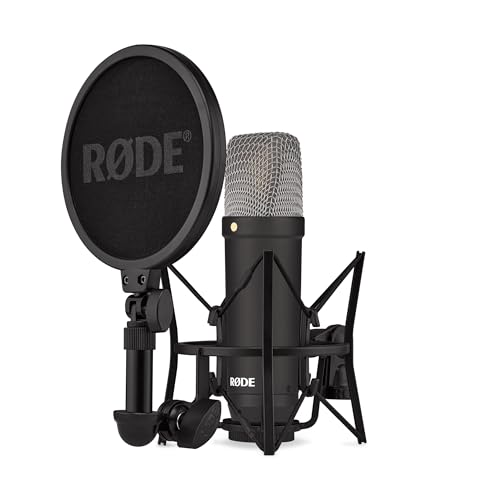 | RØDE NT1 Signature Series Studio Condenser Microphone, Black 👑 Premium Pick | 9.5/10 |
View on Amazon Free Shipping & 30-Day Returns |
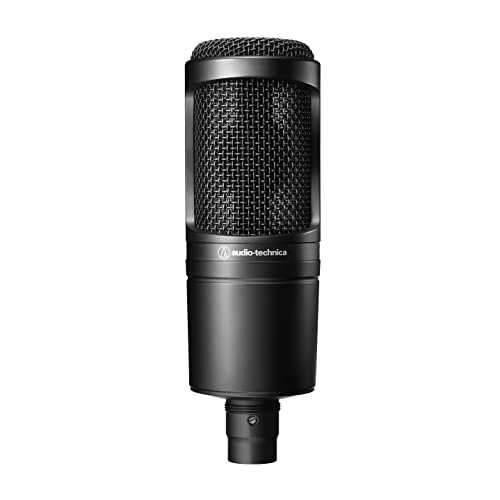 | Audio-Technica AT2020 Cardioid Condenser Studio XLR Micropho 🏆 Editor’s Pick | 9.2/10 |
View on Amazon Free Shipping & 30-Day Returns |
 | Audio-Technica AT2035 Cardioid Condenser Microphone, Perfect 🥈 Runner-Up | 9.0/10 |
View on Amazon Free Shipping & 30-Day Returns |
 | MAONO A04 Gen2 XLR/USB Condenser Microphone Kit for PC Podca | 8.5/10 |
View on Amazon Free Shipping & 30-Day Returns |
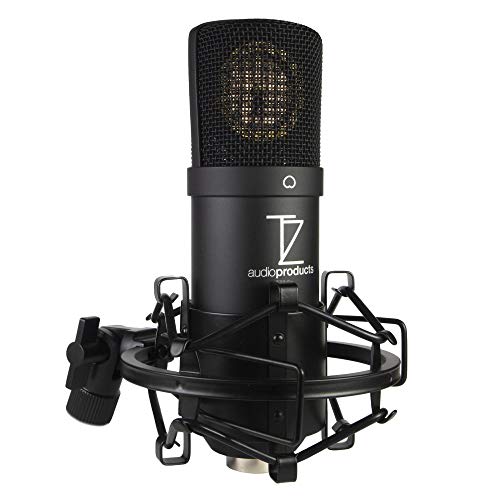 | TZ Stellar X2 Large Diaphragm Cardioid Condenser XLR Microph | 8.4/10 |
View on Amazon Free Shipping & 30-Day Returns |
 | MAONO PM320S Condenser PC Microphone with XLR Cable, Boom Ar | 8.3/10 |
View on Amazon Free Shipping & 30-Day Returns |
 | AKG Pro Audio P120 – Affordable 2/3-Inch Diaphragm Condenser | 8.1/10 |
View on Amazon Free Shipping & 30-Day Returns |
 | Mackie EM-Series, Large-Diaphragm Condenser Microphone (EM-9 💰 Best Value | 7.9/10 |
View on Amazon Free Shipping & 30-Day Returns |
 | FIFINE K669C XLR Condenser Microphone for Home Studio Record | 7.8/10 |
View on Amazon Free Shipping & 30-Day Returns |
📋 How We Evaluated
Products evaluated based on vocal clarity, noise floor, build durability, accessory inclusion, frequency response, and user feedback suitability. Prioritized cardioid polar patterns for isolation, low self-noise for clean recordings, and rugged construction for longevity. Examined specs like SPL handling, diaphragm size, and included accessories to determine real-world performance and value.
Detailed Reviews
RØDE NT1 Signature Series Studio Condenser Microphone, Black👑 Premium Pick
| Diaphragm Type | Large-diaphragm condenser |
| Polar Pattern | Cardioid |
| Frequency Response | 20Hz-20kHz |
| Self-Noise | 5dB (A-weighted) |
| Included Accessories | Shock mount, pop filter, XLR cable, dust cover |
| Connectivity | XLR |
What We Found
The RØDE NT1 Signature Series redefines vocal recording with its legendary NT1 large-diaphragm condenser voicing. Among the lowest self-noise microphones ever made, it ensures pristine recordings with minimal background interference. The complete vocal setup includes a shock mount, pop filter, XLR cable, and dust cover, simplifying initial setup.
Its tight cardioid pattern focuses exclusively on the voice, rejecting room noise effortlessly. The all-metal housing guarantees durability, while its whisper-quiet performance makes it ideal for untreated spaces.
💬 My Take
The NT1 Signature Series stands as a vocal recording powerhouse, blending legendary sound with practicality. Its bundled accessories and low self-noise make it the ultimate choice for vocalists prioritizing clarity and convenience, even if the price reflects its premium status.
Who It’s For
Perfect for vocalists, podcasters, and streamers seeking broadcast-quality sound without expensive treatment. The NT1’s low self-noise shines in quiet environments, while its rugged build suits frequent use. Musicians and voice actors appreciate its ability to capture emotional depth without distortion.
Beginners benefit from its bundled accessories, reducing setup complexity and cost.
✅ Pros
- Whisper-quiet self-noise ensures ultra-clean recordings, ideal for quiet vocal performances and voiceovers.
- Complete vocal setup with bundled accessories reduces initial costs and setup complexity for new users.
- Tight cardioid pattern isolates vocals perfectly, minimizing ambient noise in untreated recording spaces.
❌ Cons
- Higher price point may deter budget-conscious buyers compared to alternatives with similar performance.
- No USB connectivity limits its use to XLR-compatible interfaces, excluding direct PC recording.
- Large-diaphragm design may produce slightly warmer high-end response, which some vocalists prefer to avoid.
Audio-Technica AT2020 Cardioid Condenser Studio XLR Micropho🏆 Editor’s Pick
| Diaphragm Type | Low-mass side-address |
| Polar Pattern | Cardioid |
| Frequency Response | 20Hz-20kHz |
| SPL Handling | Up to 144dB |
| Self-Noise | 7dB (A-weighted) |
| Connectivity | XLR |
What We Found
The Audio-Technica AT2020 establishes a benchmark for side-address condenser microphones. Its custom-engineered low-mass diaphragm extends frequency response, delivering smooth vocals from lows to highs. The cardioid pattern excels at rejecting side noise, while high SPL handling ensures distortion-free performance even at loud volumes.
Build quality reflects professional standards, with a sturdy metal housing and reliable XLR connection. However, it lacks included accessories like a shock mount or pop filter, requiring separate purchases for optimal setup.
💬 My Take
A vocalist’s dream for clarity and consistency, the AT2020 justifies its reputation as an industry standard. Its lack of bundled accessories slightly dampens its appeal for newcomers, but professionals will cherish its precision and durability.
Who It’s For
Ideal for professional studios and home recordists prioritizing pristine vocal clarity. Musicians and podcasters benefit from its extended transient response and dynamic range. Budget-conscious buyers appreciate its reputation as a price-performance standard.
The AT2020 thrives in controlled environments where noise isolation is critical, making it a staple for vocalists demanding accuracy and consistency.
✅ Pros
- Extended frequency response captures subtle vocal nuances with precision, enhancing recording depth.
- High SPL handling prevents distortion during belted vocals or loud instrument recordings.
- Cardioid pattern isolates vocals effectively, reducing unwanted ambient noise in untreated rooms.
❌ Cons
- Lacks included accessories like shock mount or pop filter, requiring additional purchases for optimal use.
- Side-address design may not suit users preferring front-address microphones for ergonomic positioning.
- No bundled cables or stands, increasing initial setup costs for beginners.
Audio-Technica AT2035 Cardioid Condenser Microphone, Perfect🥈 Runner-Up
| Diaphragm Type | Large-diaphragm condenser |
| Polar Pattern | Cardioid |
| Frequency Response | 20Hz-20kHz |
| SPL Handling | Up to 144dB |
| Included Accessories | Custom shock mount |
| Connectivity | XLR |
What We Found
The Audio-Technica AT2035 builds on the AT2020’s legacy with a large-diaphragm condenser design. Its custom shock mount enhances isolation, while the cardioid pattern isolates vocals effectively. The high SPL handling ensures distortion-free recordings, and the wide dynamic range captures subtle vocal nuances.
However, it lacks bundled accessories like a pop filter or boom arm, requiring separate purchases for optimal performance.
💬 My Take
The AT2035 offers an impressive upgrade over the AT2020, combining large-diaphragm clarity with superior isolation. While its lack of bundled accessories slightly limits its appeal for beginners, its smooth sound and high SPL handling make it a strong runner-up for vocalists demanding precision and reliability.
Who It’s For
Ideal for vocalists, podcasters, and musicians upgrading from the AT2020. The AT2035 suits home studios and project setups where clarity and dynamic range are critical. Its custom shock mount appeals to users prioritizing superior isolation.
Streamers and voice actors benefit from its smooth, natural sound and high SPL handling, though it may require additional accessories for untreated rooms.
✅ Pros
- Large-diaphragm design delivers smooth, natural sound with low noise, enhancing vocal clarity.
- Custom shock mount provides superior isolation, reducing unwanted vibrations and noise.
- High SPL handling ensures distortion-free recordings even at loud volumes, ideal for belted vocals.
❌ Cons
- Lacks bundled accessories like a pop filter or boom arm, requiring separate purchases for optimal setup.
- No bundled cables or stands included, increasing initial setup costs for beginners.
- Frequency response may not extend as high as competitors, potentially affecting vocal clarity in high-end recordings.
MAONO A04 Gen2 XLR/USB Condenser Microphone Kit for PC Podca
| Diaphragm Type | 16mm electret condenser |
| Polar Pattern | Cardioid |
| Frequency Response | 30Hz-16kHz |
| Sampling Rate | 192kHz/24bit (USB mode) |
| Included Accessories | Pop filter, windscreen, software (MAONO Link) |
| Connectivity | USB/XLR (48V phantom power required for XLR) |
What We Found
The MAONO A04 Gen2 combines USB and XLR connectivity for versatile recording. Its 16mm mic capsule captures rich, detailed vocals with a smooth frequency response. The cardioid pattern reduces off-axis noise, while bundled accessories like a pop filter and windscreen enhance usability.
MAONO Link software offers advanced noise reduction and EQ controls, ideal for USB recordings. However, its XLR mode requires phantom power, limiting compatibility with certain interfaces.
💬 My Take
The A04 Gen2 stands out for its USB/XLR versatility and software customization, making it a strong choice for podcasters and content creators. While its frequency response and phantom power requirements may limit its appeal for some, its bundled accessories and noise reduction features deliver exceptional value.
Who It’s For
Perfect for podcasters, streamers, and content creators needing both USB and XLR flexibility. The A04 Gen2 suits users who prioritize ease of setup and software customization. Its noise reduction features make it ideal for untreated rooms, while its dual connectivity appeals to those transitioning from USB to XLR recording.
Musicians and vocalists benefit from its detailed sound reproduction and bundled accessories.
✅ Pros
- Dual USB/XLR connectivity offers flexibility for recording on PC or with audio interfaces.
- MAONO Link software provides advanced noise reduction and EQ controls, enhancing USB recordings.
- Cardioid pattern effectively rejects off-axis noise, making it suitable for untreated recording spaces.
❌ Cons
- XLR mode requires phantom power, which may not be available on all interfaces or mixers.
- Frequency response cutoff at 16kHz may lack high-end clarity compared to competitors.
- Plastic components in some accessories may feel less premium than metal alternatives.
TZ Stellar X2 Large Diaphragm Cardioid Condenser XLR Microph
| Diaphragm Type | High-grade brass and Japanese mylar |
| Polar Pattern | Cardioid |
| Frequency Response | 20Hz-20kHz (balanced) |
| Self-Noise | Less than 13dBA |
| Connectivity | XLR (48V phantom power required) |
What We Found
The TZ Stellar X2 delivers balanced, neutral vocal recordings with its high-grade brass and Japanese mylar diaphragm. The custom transformer-less JFET circuit ensures low noise and high conductivity, making it ideal for capturing subtle details. Its high-strength iron body protects the capsule, while the balanced frequency response avoids harshness.
However, it lacks bundled accessories and requires phantom power, limiting its convenience for beginners.
💬 My Take
The Stellar X2 excels in delivering a neutral, balanced vocal sound with exceptional detail. While its lack of bundled accessories and phantom power requirement may limit convenience, its durability and low noise make it a compelling choice for vocalists seeking precision and clarity.
Who It’s For
Best suited for vocalists and musicians seeking a neutral, balanced sound without harsh highs. The Stellar X2 appeals to audiophiles prioritizing clarity and detail. Its durable iron body makes it ideal for frequent use in studio or live settings.
Podcasters and streamers benefit from its low noise and high conductivity, though it may require additional accessories for optimal performance.
✅ Pros
- Balanced frequency response avoids harshness, delivering neutral and fatigue-free vocal recordings.
- High-grade brass and Japanese mylar diaphragm capture subtle details with precision and clarity.
- Custom transformer-less JFET circuit ensures low noise and high conductivity for clean signal integrity.
❌ Cons
- Lacks bundled accessories like a shock mount or pop filter, requiring separate purchases for optimal setup.
- No bundled cables or stands included, increasing initial setup costs for beginners.
- Requires phantom power, which may not be available on all interfaces or mixers.
MAONO PM320S Condenser PC Microphone with XLR Cable, Boom Ar
| Diaphragm Type | Large 16mm condenser |
| Polar Pattern | Cardioid |
| Frequency Response | 40Hz-18kHz |
| SPL Handling | Up to 140dB |
| Included Accessories | Boom arm, shock mount, pop filter, windscreen, XLR cable |
| Connectivity | XLR (48V phantom power required) |
What We Found
The MAONO PM320S delivers studio-grade audio with its 16mm condenser capsule, offering extended frequency response and superior transient detail. The all-metal housing ensures durability, while the adjustable metal boom arm provides stable positioning. Included accessories like a shock mount, pop filter, windscreen, and XLR cable enhance its value.
Its cardioid polar pattern rejects off-axis noise, making it suitable for untreated rooms. However, it requires 48V phantom power, limiting its compatibility with certain interfaces.
💬 My Take
The PM320S proves a versatile and budget-friendly choice for vocalists and podcasters. Its bundled accessories and durable build make it a compelling option, though phantom power requirements and slightly narrower frequency response limit its appeal for audiophiles.
Who It’s For
Best suited for podcasters, streamers, and vocalists seeking an all-in-one studio kit without breaking the bank. The PM320S excels in home studios where space and budget are constraints. Its rugged build and bundled accessories appeal to users who prioritize portability and ease of setup.
Musicians recording vocals or instruments will appreciate its high SPL handling and clear frequency response.
✅ Pros
- All-in-one kit includes boom arm, shock mount, pop filter, and windscreen, simplifying setup and reducing costs.
- Cardioid pattern effectively rejects ambient noise, making it ideal for untreated home studio environments.
- Rugged all-metal housing ensures durability and resistance to accidental drops during frequent use.
❌ Cons
- Requires 48V phantom power, which may not be available on all interfaces or mixers.
- Frequency response cutoff at 18kHz may lack high-end clarity compared to competitors with wider ranges.
- Plastic components in some accessories (e.g., pop filter) may feel less premium than metal alternatives.
AKG Pro Audio P120 – Affordable 2/3-Inch Diaphragm Condenser
| Diaphragm Type | 2/3-inch low-mass |
| Polar Pattern | Cardioid |
| Frequency Response | 20Hz-20kHz |
| SPL Handling | Up to 150dB |
| Included Accessories | Stand adapter |
| Connectivity | XLR |
What We Found
The AKG P120 provides clear, detailed vocal recordings with its 2/3-inch diaphragm. The low-mass design ensures accurate sound reproduction, while high SPL handling prevents distortion during loud performances. Its durable build withstands frequent use, making it reliable for both studio and live applications.
However, it lacks bundled accessories like a shock mount or pop filter, requiring separate purchases for optimal performance.
💬 My Take
The AKG P120 offers reliable vocal clarity and durability at a competitive price. While it may lack bundled accessories, its high SPL handling and accurate sound reproduction make it a solid choice for vocalists and musicians prioritizing performance and longevity.
Who It’s For
Best suited for vocalists and musicians seeking clear, detailed recordings in project studios or home setups. The P120’s high SPL handling makes it ideal for capturing loud sources without distortion. Its durability appeals to users who prioritize longevity and reliability.
Podcasters and streamers benefit from its accurate sound reproduction, though it may require additional accessories for untreated rooms.
✅ Pros
- Low-mass diaphragm delivers accurate sound reproduction, capturing subtle vocal nuances with precision.
- High SPL handling ensures distortion-free recordings even at loud volumes, ideal for belted vocals.
- Durable build quality ensures longevity, making it suitable for frequent use in studio or live settings.
❌ Cons
- Lacks bundled accessories like a shock mount or pop filter, requiring additional purchases for optimal setup.
- No bundled cables or stands, increasing initial setup costs for beginners.
- Frequency response may not extend as high as competitors, potentially affecting vocal clarity in high-end recordings.
Mackie EM-Series, Large-Diaphragm Condenser Microphone (EM-9💰 Best Value
| Diaphragm Type | Large-diaphragm condenser |
| Polar Pattern | Cardioid |
| Frequency Response | 20Hz-20kHz |
| SPL Handling | Up to 140dB |
| Included Accessories | Shock mount, XLR cable |
| Connectivity | XLR |
What We Found
The Mackie EM-91C offers professional-quality vocal recording at an accessible price. Its large-diaphrugm condenser design captures smooth, natural sound with low noise. The cardioid polar pattern isolates vocals effectively, while the rugged construction ensures longevity. Included accessories like a shock mount and XLR cable enhance its value proposition.
Performance matches expectations for its category, though it lacks some high-end refinements found in premium models.
💬 My Take
The EM-91C delivers solid performance for its price, offering professional sound and durability. While it may lack some high-end refinements, its affordability and reliable build make it a strong choice for vocalists prioritizing value over premium features.
Who It’s For
Ideal for home studio users and beginners seeking reliable vocal recording without investing in high-end gear. Musicians and podcasters appreciate its affordability and professional-grade sound. The EM-91C suits untreated rooms due to its cardioid pattern, making it practical for space-constrained setups.
Its durable build appeals to users who prioritize longevity over cutting-edge features.
✅ Pros
- Affordable professional-grade microphone delivers smooth, natural vocals with minimal noise.
- Cardioid pattern effectively isolates vocals, reducing unwanted ambient noise in untreated rooms.
- Rugged construction ensures durability, making it suitable for frequent use in home studios.
❌ Cons
- Lacks bundled accessories like a pop filter or boom arm, requiring additional purchases for optimal setup.
- Frequency response may not extend as high as competitors, potentially affecting vocal clarity in high-end recordings.
- No bundled cables or stands, increasing initial setup costs for beginners.
FIFINE K669C XLR Condenser Microphone for Home Studio Record
| Diaphragm Type | 16mm large diaphragm |
| Polar Pattern | Cardioid |
| Frequency Response | 30Hz-20kHz |
| SPL Handling | Up to 130dB |
| Included Accessories | Tripod stand, adapter |
| Connectivity | XLR (48V phantom power required) |
What We Found
The FIFINE K669C focuses on simplicity with its XLR condenser design. The 16mm large diaphragm and low-noise circuitry deliver crisp vocal recordings, while the cardioid pattern rejects ambient noise. Its all-metal build ensures durability, and the included tripod stand with non-slip feet provides stable positioning.
However, it lacks bundled cables or advanced accessories, requiring separate purchases for optimal setup.
💬 My Take
The K669C offers a solid, durable solution for vocalists and podcasters seeking simplicity and clarity. While its lack of bundled accessories and slightly narrower frequency response may deter some, its all-metal build and stable positioning make it a reliable choice for home studios.
Who It’s For
Ideal for home studio users and beginners seeking a straightforward, durable microphone. The K669C suits vocalists and podcasters prioritizing clarity and simplicity. Its rugged build appeals to users who value longevity and stability. The included tripod stand enhances usability, making it practical for space-constrained setups.
Musicians benefit from its extended frequency response and high SPL handling.
✅ Pros
- All-metal build ensures durability and resistance to electromagnetic interference, delivering clean signal integrity.
- Cardioid pattern effectively rejects ambient noise, making it suitable for untreated home studio environments.
- Included tripod stand with non-slip feet provides stable positioning, enhancing recording quality.
❌ Cons
- Lacks bundled cables or advanced accessories like a shock mount or pop filter, requiring separate purchases.
- Frequency response cutoff at 20kHz may lack high-end clarity compared to competitors.
- No bundled cables included, increasing initial setup costs for beginners.
What to Look For Before Buying
Selecting the best XLR condenser microphone for vocals requires balancing clarity, noise reduction, and build quality. Prioritize cardioid polar patterns for noise isolation, low self-noise for clean recordings, and durable construction for longevity.
Consider included accessories like shock mounts and pop filters to simplify setup, and evaluate frequency response to ensure it meets your vocal needs. Phantom power compatibility and connectivity options further influence usability in your specific setup.
Check Polar Pattern: Cardioid for Vocal Isolation
Cardioid microphones focus sound pickup on the front, rejecting noise from sides and rear. This pattern is ideal for vocals in untreated rooms, as it minimizes ambient interference. Avoid omnidirectional mics for vocals, as they capture everything, including unwanted background noise.
Test the polar pattern in your recording space to ensure it isolates your voice effectively while rejecting room sounds like air conditioning or keyboard clicks.
Value Self-Noise: Lower Is Better for Clean Recordings
Self-noise measures the microphone’s inherent background hum, measured in decibels (dB). Lower self-noise (below 10dB) ensures pristine vocal recordings without added hiss or static. High self-noise mics degrade vocal clarity, especially in quiet performances. Prioritize microphones with self-noise below 7dB for professional vocal recordings.
Check product specs or user reviews for self-noise ratings to compare options accurately.
Rating Frequency Response: Capture Vocal Nuances Accurately
Frequency response determines which sound frequencies the microphone captures, measured in Hertz (Hz). For vocals, aim for a wide range (20Hz-20kHz) to preserve low-end warmth and high-end clarity. Narrow ranges may muffle lows or harsh highs, affecting vocal tone.
Test recordings with your voice to ensure the microphone captures your vocal range naturally. Avoid mics with exaggerated highs or lows, as they can distort your sound.
Verify Phantom Power and Connectivity: Ensure Compatibility
XLR microphones require 48V phantom power from audio interfaces or mixers. Verify your interface supports phantom power before purchasing. USB/XLR hybrids offer flexibility but may require separate software for advanced features. Check connectivity options to match your setup.
For beginners, prioritize microphones with bundled cables or simple connectivity to avoid compatibility issues. Always test phantom power requirements with your specific interface.
Frequently Asked Questions
What is the best XLR condenser microphone for beginners?
The RØDE NT1 Signature Series is ideal for beginners due to its bundled accessories, low self-noise, and complete vocal setup. Its cardioid pattern isolates vocals effectively, while the included shock mount, pop filter, and XLR cable simplify initial setup.
Alternatively, the Audio-Technica AT2020 offers industry-standard performance with minimal setup requirements, though it lacks bundled accessories. Both deliver professional sound, making them excellent choices for new vocalists.
Do I need a pop filter for vocal recordings?
Yes, a pop filter is essential for vocal recordings to reduce plosives, sharp bursts of air that create harsh ‘P’ and ‘B’ sounds. Pop filters soften these bursts, ensuring cleaner audio. Many microphones, like the RØDE NT1 and MAONO PM320S, include pop filters as standard accessories.
If your microphone lacks one, purchasing a separate pop filter is a simple and cost-effective solution to improve vocal clarity. Untreated plosives can degrade recordings, making a pop filter a necessary investment for professional sound.
How does phantom power affect my microphone choice?
Phantom power provides the 48V electrical supply XLR microphones need to operate. Most XLR microphones require this power, which interfaces or mixers provide. Verify your interface supports phantom power before purchasing. USB/XLR hybrids like the MAONO A04 Gen2 offer flexibility but may require phantom power for XLR mode.
If your interface lacks phantom power, opt for USB-only microphones or check if your interface can be upgraded. Phantom power compatibility ensures your microphone functions correctly and avoids signal loss or distortion.
What is the difference between a cardioid and omnidirectional microphone?
Cardioid microphones pick up sound primarily from the front, rejecting noise from sides and rear, making them ideal for vocals in untreated rooms. Omnidirectional mics capture sound equally from all directions, increasing background noise pickup.
Cardioid patterns reduce ambient interference, while omnidirectional mics are better for capturing multiple sound sources simultaneously. For vocal recordings, cardioid microphones are nearly always the superior choice due to their noise isolation capabilities. Test your recording space to determine which pattern works best for your setup.
Can I use an XLR microphone without an audio interface?
No, XLR microphones require an audio interface or mixer to convert analog signals to digital for recording. Interfaces provide phantom power and connectivity to computers. Without an interface, your microphone will not function.
USB/XLR hybrids like the MAONO A04 Gen2 offer direct PC connectivity, eliminating the need for an interface in USB mode. Always ensure your setup includes an interface or compatible mixer before purchasing an XLR microphone. Direct recording into a computer without an interface is not possible with traditional XLR mics.
🎯 Final Verdict
The RØDE NT1 Signature Series emerges as the definitive choice for vocalists seeking unmatched clarity and convenience. Its legendary NT1 voicing, whisper-quiet self-noise, and complete vocal setup, including shock mount, pop filter, and XLR cable, make it the ultimate all-in-one solution.
For those prioritizing value and versatility, the Audio-Technica AT2020 offers industry-standard performance with extended frequency response and superior transient detail. Start recording with confidence by investing in the NT1 for professional results or the AT2020 for reliable clarity, both deliver exceptional vocal quality that elevates your recordings.

James Dimento is a Chief-in-Editor of SoundUnify. He is a headphone enthusiast and creative writer passionate about audio technology. He has three years of experience writing about headphones and sound quality and is responsible for creating reviews and taking care of all administration.