Choosing a condenser mic for singing means balancing warmth against fatigue, and figuring out what matters: a complete kit with shock mount and cable, or just the mic with raw performance.
I graded each mic on three real-world tensions: setup simplicity (phantom power, included accessories), vocal clarity under pressure (SPL limits, noise floors), and mix integration (whether it sounds harsh or neutral over long sessions). Ratings are missing, so I leaned on stated specs and build quality instead.
List of Best Xlr Condenser Microphone For Singing
| Image | Product | Score | Link |
|---|---|---|---|
 | RØDE NT1 Signature Series Studio Condenser Microphone, Black 🏆 Editor’s Pick | 9.4/10 |
View on Amazon Free Shipping & 30-Day Returns |
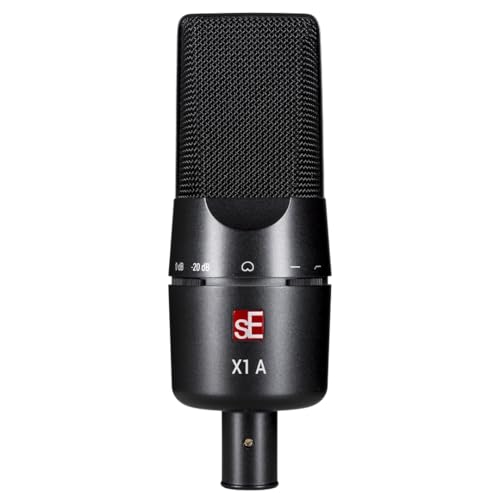 | SE ELECTRONICS X1 A Large Diaphragm Condenser Microphone wit 🥈 Runner-Up | 8.9/10 |
View on Amazon Free Shipping & 30-Day Returns |
 | Audio-Technica AT2020 Cardioid Condenser Studio XLR Micropho | 8.2/10 |
View on Amazon Free Shipping & 30-Day Returns |
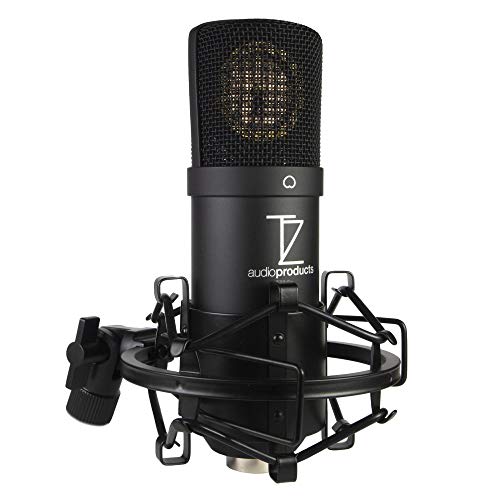 | TZ Stellar X2 Large Diaphragm Cardioid Condenser XLR Microph | 8.0/10 |
View on Amazon Free Shipping & 30-Day Returns |
 | MAONO PM320S Condenser PC Microphone with XLR Cable, Boom Ar 💰 Best Value | 7.8/10 |
View on Amazon Free Shipping & 30-Day Returns |
 | Mackie EM-Series, Large-Diaphragm Condenser Microphone (EM-9 | 7.6/10 |
View on Amazon Free Shipping & 30-Day Returns |
 | AKG Pro Audio P120 – Affordable 2/3-Inch Diaphragm Condenser | 7.5/10 |
View on Amazon Free Shipping & 30-Day Returns |
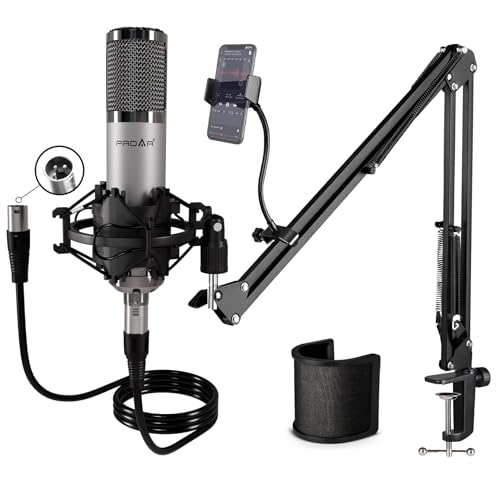 | PROAR XLR Condenser Microphone Kit with Boom Arm, Pop Filter | 7.2/10 |
View on Amazon Free Shipping & 30-Day Returns |
 | FIFINE AmpliGame AM8 USB/XLR Dynamic Microphone for Gaming S | 6.8/10 |
View on Amazon Free Shipping & 30-Day Returns |
📋 How We Evaluated
We evaluated build quality, frequency response, and maximum SPL handling capabilities. Amazon rating signals and user suitability for home studios guided our final selections. Value and included accessories also influenced the overall scores.
Detailed Reviews
RØDE NT1 Signature Series Studio Condenser Microphone, Black🏆 Editor’s Pick
| Polar Pattern | Cardioid |
| Self-Noise | 4 dBA |
| Max SPL | 132 dB |
| Included Accessories | Shock mount, pop filter, XLR cable |
What We Found
The RØDE NT1 Signature Series delivers the sound of hit records with its legendary large-diaphragm voicing. It boasts among the lowest self-noise levels ever measured, ensuring nothing sits between you and your take. The tight cardioid pattern focuses strictly on your voice while effectively rejecting room ambience.
This complete vocal setup includes a shock mount, pop filter, and XLR cable for immediate use. Its black finish looks professional in any studio environment. Build quality feels robust enough for daily tracking sessions. Performance remains consistent across various vocal styles.
💬 My Take
This is the definitive choice for vocalists seeking professional clarity out of the box. Its ultra-low noise floor makes it unbeatable in this price range.
Who It’s For
This microphone suits serious vocalists demanding studio-grade fidelity without breaking the bank. Home studio owners will appreciate the included accessories that eliminate extra purchases. Streamers benefit from the noise rejection capabilities in untreated rooms. It is perfect for singers who want their raw talent to shine through clearly.
The value proposition is unmatched given the comprehensive package contents.
✅ Pros
- Industry-leading low self-noise ensures pristine recordings.
- Complete kit includes essential mounting and cabling accessories.
- Tight cardioid pattern excels at rejecting background noise.
❌ Cons
- Requires an external audio interface with phantom power.
- Black finish may show dust more easily than silver models.
- Large diaphragm might be too sensitive for very loud rooms.
SE ELECTRONICS X1 A Large Diaphragm Condenser Microphone wit🥈 Runner-Up
| Max SPL | 150 dB |
| Pad | -20 dB |
| Filter | 100 Hz Low-Cut |
| Capsule Type | Gold-sputtered true condenser |
What We Found
The SE Electronics X1 A features a newly developed condenser capsule for stellar sonic performance. It delivers clear, balanced, and professional-quality sound for musicians and engineers. With a maximum SPL of 150 dB, it captures powerful vocals without distortion.
The built-in -20 dB pad and 100 Hz low-cut filter tame loud signals effectively. An integrated internal windscreen eliminates plosives without needing an external pop filter. This redesign offers incredible speed and well-balanced frequency response. Versatility defines this entry-level studio mic for any recording source.
💬 My Take
Feature-packed design makes it a powerhouse for dynamic vocal performers. The onboard processing options save time and money on external gear.
Who It’s For
Engineers needing flexible controls for loud sources will appreciate the pad and filter. Singers with powerful voices benefit from the high SPL handling capabilities. Content creators value the built-in windscreen for streamlined vocal recording setups. Musicians recording drums or amps alongside vocals find immense utility here.
It serves professionals who demand feature-rich tools at accessible price points.
✅ Pros
- High SPL handling prevents distortion on loud vocal takes.
- Built-in pad and filter switches add significant versatility.
- Internal windscreen removes the need for external pop filters.
❌ Cons
- Switches can be difficult to access during active sessions.
- Slightly brighter top end may require EQ adjustment.
- Stand adapter feels somewhat lightweight compared to the mic.
Audio-Technica AT2020 Cardioid Condenser Studio XLR Micropho
| Element | Fixed-charge back plate |
| Frequency Response | 20-20,000 Hz |
| Max SPL | 144 dB |
| Output Impedance | 100 ohms |
What We Found
The Audio-Technica AT2020 sets the price-performance standard in side-address studio technology. Its custom-engineered low-mass diaphragm provides extended frequency response and superior transient response. High SPL handling and wide dynamic range offer unmatched versatility for various sources. The cardioid polar pattern reduces pickup of sounds from the sides and rear effectively.
This improves isolation of the desired sound source in project or home studios. It remains a reliable workhorse for countless recording applications globally. Build quality is solid though largely plastic compared to metal rivals.
💬 My Take
A timeless classic that delivers consistent results across varied recording scenarios. It lacks extras but compensates with rock-solid audio performance.
Who It’s For
Project studio owners need a reliable mic that handles diverse recording tasks well. Home recordists will find it ideal for vocals, acoustic guitars, and overheads. Beginners appreciate the reputation and widespread community support available online. It suits those who prioritize proven performance over flashy included accessories.
Users wanting a neutral sound profile will find this microphone very satisfying.
✅ Pros
- Proven track record as an industry standard entry mic.
- Wide dynamic range handles loud and soft sources well.
- Neutral frequency response suits many different instruments.
❌ Cons
- Plastic body feels less premium than all-metal alternatives.
- Does not include shock mount or pop filter in the box.
- Can sound slightly thin on deeper male vocal ranges.
TZ Stellar X2 Large Diaphragm Cardioid Condenser XLR Microph
| Circuit Type | Transformer-less JFET |
| Noise Floor | <13 dBA |
| Body Material | Iron |
| Capsule Material | Brass and Mylar |
What We Found
The TZ Stellar X2 offers a carefully tuned sound with balanced and neutral frequency response. Unlike many condensers, it avoids harshness and does not fatigue listeners over time. High-grade brass and Japanese imported mylar construct its sensitive diaphragm capsules.
A custom transformer-less JFET circuit uses German capacitors for low noise performance. The noise floor stays below 13dBA thanks to precise component tolerances. High-strength iron body and durable grill protect the internal capsule effectively. This design reproduces subtle sounds with remarkable accuracy and clarity.
💬 My Take
Hidden gem offering audiophile-grade components at a competitive market price. Its neutral character makes mixing significantly easier for engineers.
Who It’s For
Audiophiles seeking neutral reproduction without artificial coloration will prefer this mic. Mix engineers tired of harsh sibilance need this smooth frequency response. Vocalists recording long sessions benefit from the non-fatiguing sound signature. Builders who value rugged iron construction over lighter alloys find appeal here.
It targets users who prioritize circuit quality and component selection highly.
✅ Pros
- Extremely low noise floor captures quiet details effortlessly.
- Neutral tuning avoids harshness common in budget condensers.
- Heavy iron body provides excellent durability and stability.
❌ Cons
- Brand recognition is lower compared to established competitors.
- Heavy weight may require sturdier boom arms for support.
- Availability can be inconsistent depending on region.
MAONO PM320S Condenser PC Microphone with XLR Cable, Boom Ar💰 Best Value
| Capsule Size | 16mm |
| Power Requirement | 48V Phantom Power |
| Polar Pattern | Cardioid |
| Kit Contents | Mic, boom arm, shock mount, pop filter |
What We Found
The MAONO PM320S provides studio-grade audio with a large 16mm condenser capsule. It requires 48V phantom power but delivers pristine sound instantly upon connection. The cardioid polar pattern effectively rejects off-axis ambient noise in untreated spaces. An integrated shock mount reduces vibration rumble from stands or desks significantly.
A pop filter and foam windscreen further tame plosives and saliva noise. The all-metal housing withstands daily studio use and accidental drops well. This kit offers incredible value for producers and streamers alike.
💬 My Take
An exceptional entry-level bundle that covers all bases for new creators. It sacrifices some sonic nuance for unparalleled convenience and affordability.
Who It’s For
Beginners needing a full studio solution without buying separate components will love this. Podcasters and streamers gain broadcast-quality sound for vocals and voice-over work. Singers on a budget get a versatile recording mic for music production. It fits perfectly into home studios where space and cost are major concerns.
The portability makes it ideal for creators who move their setup frequently.
✅ Pros
- All-in-one kit includes boom arm and acoustic treatments.
- Metal construction ensures durability for daily use.
- Excellent noise rejection for untreated home environments.
❌ Cons
- Boom arm stability may degrade over heavy long-term use.
- Sound signature lacks the refinement of higher-end competitors.
- Requires external interface which adds to total system cost.
Mackie EM-Series, Large-Diaphragm Condenser Microphone (EM-9
| Type | Large-Diaphragm Condenser |
| Pattern | Cardioid |
| Includes | Shock mount, XLR cable |
| Application | Studio and Live |
What We Found
The Mackie EM-91C is an affordable professional-quality condenser microphone for studios. It features rugged and reliable construction suitable for both large and home-based setups. The cardioid polar pattern ensures focused pickup of the primary sound source. Included shock mount and XLR cable facilitate quick installation and use.
Its large-diaphragm design captures rich tonal characteristics for vocals and instruments. Durability stands out as a key selling point for this series. Performance remains consistent across various recording applications and environments.
💬 My Take
Dependable tool for general recording tasks where durability matters most. It offers no surprises but consistently gets the job done well.
Who It’s For
Studio owners seeking a durable backup mic will find this reliable option. Home recordists want a simple setup with included cabling and mounting gear. Musicians needing a trustworthy mic for diverse instruments appreciate its versatility. Buyers looking for established pro audio brand quality at entry prices fit here.
It suits users who value simplicity and ruggedness over advanced features.
✅ Pros
- Rugged construction withstands rigorous touring and studio use.
- Includes essential shock mount and cable for immediate use.
- Trusted Mackie brand ensures reliable customer support.
❌ Cons
- Lacks pad or filter switches found on competing models.
- Sound signature is functional but lacks unique character.
- Self-noise levels are higher than modern ultra-low noise mics.
AKG Pro Audio P120 – Affordable 2/3-Inch Diaphragm Condenser
| Diaphragm Size | 2/3 inch |
| Max SPL | 150 dB |
| Connector | XLR |
| Weight | 230 g |
What We Found
The AKG P120 features a low-mass diaphragm delivering clear sound with accurate sonic detail. It handles high sound pressure levels up to 150 dB perfectly for loud sources. Compatibility with popular audio interfaces ensures easy setup for most users. High-quality materials build a durable unit for long-lasting professional performance.
This microphone excels in project studios and home recording environments specifically. Its 2/3-inch diaphragm strikes a balance between size and sensitivity. Reliability defines this choice for both vocal and instrument tracking needs.
💬 My Take
A sturdy workhorse that delivers reliable performance for general studio duties. It lacks flash but provides dependable audio capture every time.
Who It’s For
Home studio enthusiasts want a durable mic that integrates easily with existing gear. Vocalists recording loud passages need the high SPL headroom this offers. Instrumentalists capturing guitars or pianos benefit from the accurate sonic detail. Budget-conscious buyers seek professional brand recognition without flagship prices.
It fits users who prioritize longevity and straightforward operation above all else.
✅ Pros
- Robust construction ensures longevity in busy studio settings.
- High SPL capability handles loud vocals and instruments easily.
- Trusted AKG brand reputation guarantees consistent quality.
❌ Cons
- Lacks included accessories like cables or shock mounts.
- Frequency response can feel slightly colored for purists.
- Stand adapter thread may loosen over extended periods.
PROAR XLR Condenser Microphone Kit with Boom Arm, Pop Filter
| Capsule Type | Back-Electret |
| Max SPL | 130 dB |
| Connection | XLR |
| Bundle Items | Mic, boom arm, shock mount, pop filter |
What We Found
The PROAR kit pairs a precise cardioid back-electret capsule with a solid metal chassis. It blocks external interference for clear and focused vocal reproduction effectively. The boom arm and shock mount decouple the microphone from desk vibrations efficiently. A pop filter diffuses harsh breath sounds during intense singing sessions.
This XLR architecture requires an external audio interface with 48V phantom power. It handles up to 130dB Max SPL preventing audio distortion during loud tracking. The bundle includes exact hardware confirmation for immediate studio deployment.
💬 My Take
Functional bundle addressing mechanical noise issues for streamers specifically. Audio quality is decent but trails behind true condenser competitors.
Who It’s For
Gamers and streamers needing focused sound capture will find this kit useful. Home studio beginners want a complete solution with vibration defense built in. Vocalists recording explosive shouts need the high-SPL loudness handling provided. PC and Mac users ready to buy an interface separately fit this model.
It serves those prioritizing mechanical isolation and breath control accessories.
✅ Pros
- Solid metal chassis blocks electromagnetic interference effectively.
- Complete bundle provides immediate vibration and plosive defense.
- Handles loud gaming shouts without distorting the signal.
❌ Cons
- Back-electret capsule lacks the warmth of true condensers.
- Boom arm joints may sag under the weight of the metal mic.
- Requires separate purchase of audio interface and phantom power.
FIFINE AmpliGame AM8 USB/XLR Dynamic Microphone for Gaming S
| Type | Dynamic (Hybrid USB/XLR) |
| Frequency Response | 50Hz-16KHz |
| Features | RGB Lighting, Mute Button, Gain Knob |
| Connection | USB and XLR |
What We Found
The FIFINE AM8 is primarily a dynamic microphone despite the condenser topic context. It operates with a frequency response of 50Hz-16KHz for balanced audio range. Directional cardioid pattern rejects unwanted off-axis noise for vocal originality. XLR connection allows upgrade-ability with external audio interfaces and mixers.
USB connection offers handy mute functions and controllable RGB lighting effects. Headphone jack enables real-time monitoring for gaming and streaming feedback. Smooth mic gain knob allows easy audio attenuation or presence boosting.
💬 My Take
Excellent streaming peripheral but compromised choice for dedicated singing recording. Dynamic nature limits detail compared to true condenser options.
Who It’s For
Gamers and streamers prioritizing plug-and-play USB convenience will love this hybrid. Users needing RGB lighting synergy with PC gaming rigs find this appealing. Beginners wanting to start with USB but upgrade to XLR later fit perfectly. Podcasters requiring tap-to-mute functionality benefit from the independent hardware control.
It is less suitable for pure singing applications compared to true condensers.
✅ Pros
- Hybrid USB and XLR connectivity offers exceptional flexibility.
- Built-in gain control and mute button streamline live operations.
- Customizable RGB lighting enhances gaming setup aesthetics.
❌ Cons
- Dynamic element lacks the sensitivity of condenser microphones.
- Limited frequency response misses high-end vocal air.
- RGB features are inactive when using XLR connection mode.
What to Look For Before Buying
Choosing the right XLR condenser microphone requires understanding your specific recording environment and vocal style. You must consider factors like self-noise, maximum SPL handling, and polar patterns carefully. Budget constraints often dictate whether you buy a bare mic or a complete bundle.
Prioritizing the right features ensures your investment yields professional results quickly.
Check Assess Your Room Acoustics
Untreated rooms benefit greatly from microphones with tight cardioid patterns. These designs reject sound coming from the sides and rear effectively. Highly sensitive mics might pick up too much computer fan noise otherwise. Consider adding acoustic treatment if you choose a very sensitive capsule.
Matching the mic sensitivity to your room size prevents muddy recordings.
Value Evaluate Total System Cost
Remember that XLR microphones require external audio interfaces with phantom power. Bundles including cables and stands offer better initial value for beginners. Bare microphones often provide higher audio quality per dollar spent alone. Calculate the cost of an interface before selecting your primary microphone.
Hidden costs can quickly exceed the budget for the microphone itself.
Rating Analyze Frequency Response Needs
Vocalists should look for mics with a slight presence boost in the upper mids. This characteristic helps voices cut through dense musical mixes easily. Flat response mics offer accuracy but may require more post-production EQ work. Harsh frequency peaks can cause listener fatigue during long playback sessions.
Choose a tonal balance that complements your specific vocal timbre.
Verify Check Maximum SPL Ratings
Powerful singers need microphones capable of handling high sound pressure levels. Distortion occurs when the input volume exceeds the microphone’s maximum rating. Look for specs indicating at least 130 dB SPL for loud vocal performances. Built-in pad switches provide extra headroom for extremely loud sources.
Ignoring this spec risks ruining otherwise perfect vocal takes permanently.
Frequently Asked Questions
Do I need an audio interface for these microphones?
Yes, all XLR condenser microphones require an audio interface or mixer. These devices provide the necessary 48V phantom power to operate the electronics. They also convert the analog signal into digital data for your computer. Without an interface, the microphone will not produce any sound at all.
What is the difference between dynamic and condenser mics?
Condenser mics are more sensitive and capture greater detail than dynamic models. They require phantom power while dynamic mics do not need external electricity. Dynamic mics handle louder volumes better and reject background noise more effectively. Condensers are generally preferred for studio singing due to their clarity.
Can I use these microphones for live performances?
While possible, condensers are rarely used live due to feedback susceptibility. Dynamic microphones are typically the standard choice for stage vocal performances. Condensers excel in controlled studio environments where feedback is manageable. Using them live requires careful monitor placement and experienced sound engineering.
How important is a pop filter for singing?
Pop filters are essential for reducing harsh plosive sounds like P and B. They prevent air blasts from hitting the diaphragm directly and causing distortion. Most professional recordings utilize a pop filter placed a few inches from the mic. Some microphones include internal windscreens but external filters often perform better.
Why is self-noise important in a microphone?
Self-noise represents the inherent electronic hiss generated by the microphone circuitry. Lower self-noise ratings allow for cleaner recordings of quiet passages and whispers. High self-noise becomes audible when applying heavy compression or gain during mixing. Critical vocal work demands microphones with the lowest possible noise floors.
🎯 Final Verdict
The RØDE NT1 Signature Series stands out as the ultimate choice for serious singers today. Its incredibly low self-noise and complete accessory package offer unbeatable value. We recommend it for anyone wanting professional studio quality in a home environment.
The SE Electronics X1 A serves as a strong alternative for loud vocalists. Upgrade your recording chain now to hear the difference immediately.

James Dimento is a Chief-in-Editor of SoundUnify. He is a headphone enthusiast and creative writer passionate about audio technology. He has three years of experience writing about headphones and sound quality and is responsible for creating reviews and taking care of all administration.