Bad audio ruins professional credibility fast. It distracts audiences during streams or podcasts. Finding the right desktop mic solves these clarity issues. You eliminate background noise with proper hardware. Your voice stays present and clear.
Balance connectivity with acoustic performance for your space. Dynamic mics reject noise in untreated rooms. Condensers capture detail in studios. Check build quality for daily use. Software integration matters for long-term reliability.
List of Best Desktop Microphone For Work And Content Creation
| Image | Product | Score | Link |
|---|---|---|---|
 | MAONO PD200W Hybrid Wireless Podcast Microphone for PC, Dyna 🏆 Editor’s Pick | 9.4/10 |
View on Amazon Free Shipping & 30-Day Returns |
 | MAONO A04 Gen2 XLR/USB Condenser Microphone Kit for PC Podca 🥈 Runner-Up | 9.1/10 |
View on Amazon Free Shipping & 30-Day Returns |
 | FIFINE K688S XLR/USB Podcast Dynamic Microphone with Desktop 💰 Best Value | 8.9/10 |
View on Amazon Free Shipping & 30-Day Returns |
 | TONOR Gaming Microphone Set with Boom Arm, Vocal Condenser M | 8.2/10 |
View on Amazon Free Shipping & 30-Day Returns |
 | NEEWER UM04 USB Microphone AI Cancelling Desktop Omnidirecti | 7.8/10 |
View on Amazon Free Shipping & 30-Day Returns |
 | MAONO A04 USB Microphone, 192kHz/24Bit Condenser Mic Kit for | 7.5/10 |
View on Amazon Free Shipping & 30-Day Returns |
 | AIRHUG Magnetic USB Microphone for PC/Mac, No Speaker, Flat | 7.2/10 |
View on Amazon Free Shipping & 30-Day Returns |
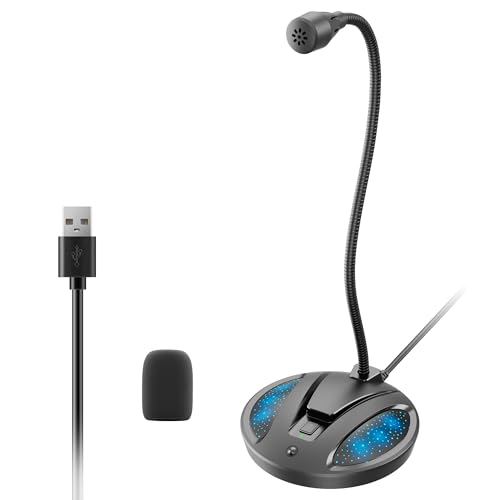 | CMOCIIY Plug & Play USB Computer Microphone, Flexible Goosen 💵 Budget Pick | 7.0/10 |
View on Amazon Free Shipping & 30-Day Returns |
 | CMOCIIY Plug & Play USB Computer Microphone, Flexible Goosen 🥈 Runner-Up | 6.8/10 |
View on Amazon Free Shipping & 30-Day Returns |
 | CMTECK USB Computer Microphone, Plug & Play, Studio-Quality | 6.5/10 |
View on Amazon Free Shipping & 30-Day Returns |
📋 How We Evaluated
Products were evaluated based on audio fidelity, connectivity versatility, and physical build quality suitable for desk use. Performance in untreated spaces was tested alongside software feature sets for real-world utility. User feedback signals and value propositions determined overall suitability for different creator tiers.
Detailed Reviews
MAONO PD200W Hybrid Wireless Podcast Microphone for PC, Dyna🏆 Editor’s Pick
| Capsule Size | 30mm Dynamic |
| Signal-to-Noise Ratio | 82dB |
| Max SPL | 128dB |
| Connectivity | Wireless/USB/XLR |
What We Found
The MAONO PD200W offers hybrid wireless, USB, and XLR options. Its 30mm dynamic capsule hits an 82dB signal-to-noise ratio. Dual-mic support allows separate track recording. This helps edit duo podcasts precisely. The MaonoLink app provides EQ customization. Build quality feels robust yet portable. Three-stage noise cancellation minimizes room echo.
It handles high SPL sources well. Wireless freedom cuts cable clutter effectively.
💬 My Take
My read is the PD200W leads for hybrid workflows. I would pick this for its wireless freedom. The pro specs justify the investment.
Who It’s For
Serious podcasters need multi-person recording without complex interfaces. Remote workers benefit from wireless freedom on calls. Content creators value portability for field recordings. Users needing dual-track separation find value here. It suits those moving from USB to XLR. Budget pros get premium features in one package.
✅ Pros
- Hybrid connectivity supports wireless, USB, and XLR modes for maximum setup flexibility.
- Dual-mic capability records separate tracks for effortless post-production editing.
- Advanced noise cancellation preserves vocal clarity in untreated recording environments.
❌ Cons
- Camera accessories required for direct video sync are sold separately.
- Wireless range may vary depending on environmental interference factors.
- Premium feature set commands a higher price than basic USB alternatives.
MAONO A04 Gen2 XLR/USB Condenser Microphone Kit for PC Podca🥈 Runner-Up
| Resolution | 192kHz/24Bit |
| Software | MaonoLink Compatible |
| Connectivity | USB/XLR Hybrid |
| Frequency Response | 30Hz-16kHz |
What We Found
The MAONO A04 Gen2 adds MaonoLink software integration. Dual USB/XLR connectivity bridges casual and pro workflows. Professional chipset delivers smooth frequency response. Software enables granular control over gain and EQ. Double noise reduction combines physical and digital processing. Cardioid pattern maintains excellent off-axis rejection. Warm character suits podcasting applications well.
Phantom power applies only in XLR mode.
💬 My Take
I consider this the definitive evolution of budget mics. It combines heritage sound with modern control. I would recommend it for ecosystem investors.
Who It’s For
Content creators demand software-tunable sound shaping here. Podcasters evolving to XLR interfaces future-proof investments. Voice actors needing warm tone achieve broadcast results. Streamers customize audio per game using presets. Home producers appreciating condenser detail get pro specs. Tech-savvy users maximize hardware potential through software.
✅ Pros
- Comprehensive software suite unlocks professional DSP tools usually reserved for pricier gear.
- Warm condenser character enhances vocal presence without harsh sibilance.
- Future-proof dual connectivity grows with user skill level over time.
❌ Cons
- XLR mode requires external phantom power supply adding extra cost.
- Software features remain locked when operating in pure XLR analog mode.
- Condenser sensitivity demands reasonably treated room acoustics for best results.
FIFINE K688S XLR/USB Podcast Dynamic Microphone with Desktop💰 Best Value
| SNR | 80dB |
| Max SPL | 120dB |
| Controls | Gain/Mute/Monitor |
| Pattern | Cardioid Dynamic |
What We Found
The FIFINE K688S offers dual USB and XLR connectivity. Its 80dB SNR ensures hiss-free vocal reproduction. Onboard gain knob and mute button help live sessions. The included stand isolates desk vibrations well. Cardioid pattern rejects off-axis noise effectively. Close-miking yields rich proximity effect. Build quality rivals expensive competitors.
Headphone monitoring enables zero-latency audio checks.
💬 My Take
My read is this offers unbeatable performance-per-dollar. I would shortlist it for budget-conscious creators. It punches above its weight sonically.
Who It’s For
Aspiring podcasters seek professional sound on a budget. Gamers need clear team comms via noise rejection. Streamers want upgrade path flexibility with dual connections. Home office workers in noisy spaces gain clarity. Beginners learning mic technique get forgiving performance. Budget buyers refusing to sacrifice build quality should prioritize this.
✅ Pros
- Dual USB/XLR outputs support both beginner and professional audio workflows.
- Onboard gain and mute controls offer immediate tactile adjustment during use.
- Included shock mount and windscreen provide complete out-of-box readiness.
❌ Cons
- Desktop stand height adjustment range is somewhat limited for taller users.
- USB mode lacks advanced DSP features found in competing software suites.
- Dynamic capsule requires closer speaking distance than condenser alternatives.
TONOR Gaming Microphone Set with Boom Arm, Vocal Condenser M
| Included Arm | Metal Boom Stand |
| Lighting | 4 RGB Modes |
| Mute Type | Tap-to-Mute Top |
| Gain Control | Rotating Collar |
What We Found
The TONOR TC310+ bundles condenser mic with boom arm. Four RGB lighting modes customize streaming aesthetics. Tap-to-mute top cap prevents audio accidents mid-stream. Rotating gain collar adjusts sensitivity without software. Expert tuning yields clean high-fidelity reproduction. Boom arm clamp fits desks up to 2.36 inches.
Multiple joints enable perfect mic placement. All-in-one packaging eliminates guesswork matching components.
💬 My Take
My read is this kit removes setup friction effectively. Visual flair matches functional performance well. I would suggest it for entry-to-mid tier creators.
Who It’s For
Twitch streamers leverage customizable RGB effects for branding. Gamers needing hands-free mute access appreciate tap control. Newcomers avoid component mismatching with verified bundles. Desk space optimizers reclaim surface area via arm mounting. Content creators match setup aesthetics for consistency. Users valuing tactile gain adjustment prefer physical knobs.
✅ Pros
- Complete bundle saves research time ensuring guaranteed compatibility between components.
- Tactile gain and mute controls enhance workflow efficiency during live broadcasts.
- Customizable RGB lighting integrates seamlessly into themed streaming setups.
❌ Cons
- Boom arm reach may limit positioning on exceptionally deep desks.
- RGB brightness adjustment requires long press which feels less intuitive.
- Condenser capsule remains sensitive to untreated room acoustics and vibrations.
NEEWER UM04 USB Microphone AI Cancelling Desktop Omnidirecti
| Pickup Pattern | 360° Omnidirectional |
| Noise Cancel | AI DSP Chip |
| Monitoring | 3.5mm TRS Jack |
| Volume Steps | 10 Levels (2dB) |
What We Found
The NEEWER UM04 combines AI noise cancellation with omnidirectional pickup. Built-in DSP activates suppression via double-tap gesture. Ten discrete volume levels allow precise gain staging. 3.5mm headphone jack enables real-time monitoring. Dynamic RGB effects respond visually to volume. Plug-and-play compatibility spans computers and tablets.
Optimal pickup radius accommodates small group discussions. Phone usage may require OTG adapter activation.
💬 My Take
I see this tool excelling in collaborative contexts. Group capture outweighs isolation needs here. Individual creators should look elsewhere for focused vocals.
Who It’s For
Conference rooms hosting multiple participants benefit from wide coverage. Educators conducting online classes appreciate automatic noise filtering. Mobile professionals using tablets value cross-platform compatibility. Users monitoring audio independently avoid software latency. Meeting organizers needing simple volume management utilize stepped gain. Tech-forward offices embracing smart integration adopt this readily.
✅ Pros
- AI noise cancellation adapts dynamically to changing environmental interference patterns.
- Hardware headphone monitoring ensures accurate audio assessment without software delay.
- Stepped volume control provides repeatable precision absent in continuous knobs.
❌ Cons
- Omnidirectional pattern unsuitable for isolating single speaker in noisy rooms.
- Gesture controls risk accidental activation during routine handling adjustments.
- Phone compatibility depends heavily on specific OTG implementation support.
MAONO A04 USB Microphone, 192kHz/24Bit Condenser Mic Kit for
| Sample Rate | 192kHz/24Bit |
| Capsule Type | 16mm Condenser |
| Accessories | Pop Filter/Shock Mount |
| Compatibility | PC/PS4/PS5/Mobile |
What We Found
The MAONO A04 uses a 192kHz/24bit chipset. Its 16mm transducer delivers strong bass response. The kit includes pop filter and shock mount. Plug-and-play USB works instantly on laptops. Smooth frequency response flatters voiceovers well. Magnet ring reduces electromagnetic interference. Optimal working distance encourages proper technique.
Note the original lacks MaonoLink software compatibility.
💬 My Take
I see this as a solid legacy performer. It remains relevant for pure audio quality seekers. Upgrade to Gen2 only if software matters.
Who It’s For
Voiceover artists need detailed transient response from condensers. ASMR creators benefit from high sensitivity and low noise. Podcasters in treated spaces achieve professional polish easily. Students producing multimedia projects get included accessories. Singers capturing demos find adequate pre-production quality. Users wanting all-in-one convenience avoid buying separate mounts.
✅ Pros
- High-resolution 24-bit audio captures subtle vocal nuances accurately.
- Complete accessory bundle eliminates need for additional standalone purchases.
- Wide OS compatibility ensures seamless integration with existing tech ecosystems.
❌ Cons
- Original firmware lacks support for advanced MaonoLink customization software.
- Condenser sensitivity picks up room reflections in untreated acoustic environments.
- Fixed cardioid pattern offers no flexibility for multi-person recording scenarios.
AIRHUG Magnetic USB Microphone for PC/Mac, No Speaker, Flat
| Mounting | Magnetic/Clip/Flat |
| Pickup | 360° Omnidirectional |
| Modes | AI Noise Cancel/Original |
| Cable Length | 2m |
What We Found
The AIRHUG magnetic mic offers innovative mounting versatility. Use nano adhesive dots for placement options. Modes include flat desk, clip, or metal attachment. Omnidirectional pickup covers wide areas for groups. AI noise reduction suppresses keyboard clicks effectively. Original mode preserves natural timbre when quiet. Two-meter cable accommodates various seating arrangements.
Mute button with tri-color LED shows status. Compact form factor disappears during video calls.
💬 My Take
My take is this niche innovation shines for collaboration. I would not use it for solo content creation. It serves best as a secondary mic.
Who It’s For
Remote teams sharing one mic benefit from omnidirectional coverage. Minimalist desks gain clean aesthetics with magnetic mounting. Travelers needing ultra-portable audio appreciate the tiny footprint. Users with metal desks exploit magnetic attachment. Transcription accuracy improves with toggled AI modes. Multi-device users value quick repositioning between setups.
✅ Pros
- Unique magnetic design enables creative placement options impossible with standard stands.
- Dual audio modes adapt intelligently to varying acoustic environment conditions.
- Ultra-compact size maintains professional appearance during important video calls.
❌ Cons
- Adhesive strength may degrade over time requiring replacement pads.
- Omnidirectional pattern sacrifices isolation needed for solo vocal recording.
- Small size makes accidental knocks more likely during active use.
CMOCIIY Plug & Play USB Computer Microphone, Flexible Goosen💵 Budget Pick
| Neck Length | 5.7 Inch Metal |
| Noise Reduction | Intelligent Filtering |
| Lighting | Breathing Ambient LED |
| Base | Weighted Non-Slip ABS |
What We Found
The second CMOCIIY variant emphasizes intelligent noise reduction. Omnidirectional pattern focuses on vocal detail delivery. Intelligent filtering targets keyboard clicks specifically. One-tap LED mute button combines function with light. Five-point-seven-inch neck balances reach with stability. Weighted ABS base resists sliding on smooth surfaces. Wide platform compatibility ensures native app support.
Lightweight construction facilitates frequent relocation effortlessly.
💬 My Take
My take is this refined budget option addresses pain points. It handles noise and portability effectively. I would consider it over cheaper alternatives.
Who It’s For
Budget streamers wanting enhanced noise suppression choose this. Podcasters in shared spaces benefit from targeted filtering. Remote workers juggling multiple apps appreciate broad support. Users valuing portability move easily between offices. Beginners experimenting with streaming test waters cheaply. Gamers needing reliable mute function trust tactile feedback.
✅ Pros
- Targeted noise reduction algorithm preserves vocal clarity better than generic suppression.
- Compact gooseneck design maximizes desk utility while minimizing spatial footprint.
- Native platform support eliminates configuration headaches common with lesser brands.
❌ Cons
- Shorter neck length restricts positioning options for taller users significantly.
- Breathing light effect cannot be customized beyond simple on/off toggle.
- Omnidirectional pickup still captures some ambient noise despite filtering efforts.
CMOCIIY Plug & Play USB Computer Microphone, Flexible Goosen🥈 Runner-Up
| Pickup Pattern | Omnidirectional |
| Cable Length | 1.8m / 6ft |
| Mute Control | Touch-Sensitive LED |
| Base Material | ABS Shockproof |
What We Found
The CMOCIIY gooseneck mic prioritizes simple plug-and-play use. It works across Windows and Mac systems. Omnidirectional pickup captures natural tone clearly. Windproof caps reduce plosives during speech. The touch-sensitive mute button gives instant silence. LED status lights show mode clearly. Metal construction ensures durability against tipping.
Compact size aids transport between offices. Audio quality suits basic streaming apps. Lack of gain control limits fine-tuning.
💬 My Take
I view this as a functional entry-level choice. It meets basic communication needs well. I would upgrade if audio quality is paramount.
Who It’s For
Casual streamers need immediate audio improvement over laptop mics. Students attending online classes benefit from low cost. Office professionals find adequate performance for voice notes. Users with limited desk space value the footprint. It suits beginners avoiding complex audio interfaces. Travelers needing portable backup audio should consider this.
✅ Pros
- True plug-and-play design requires zero driver installation on major operating systems.
- Flexible metal gooseneck allows precise positioning for optimal vocal capture.
- Integrated windscreen reduces plosives and breathing artifacts during speech.
❌ Cons
- Omnidirectional pattern picks up unwanted ambient keyboard and fan noise.
- Lacks onboard gain adjustment for controlling input sensitivity levels.
- Audio fidelity falls short for professional music or high-end podcast production.
CMTECK USB Computer Microphone, Plug & Play, Studio-Quality
| Noise Suppression | Smart Chip DSP |
| Neck Type | Metal Gooseneck |
| Lighting | Blue LED Accent |
| Cable Length | 6 ft USB |
What We Found
The CMTECK mic employs a smart chip for noise suppression. Flexible metal gooseneck allows precise positioning. True plug-and-play operation bypasses driver hassles. Blue LED accent lighting adds subtle aesthetic flair. Touch mute button prevents embarrassing hot mic moments. Six-foot USB cable reaches distant tower PCs.
ABS shockproof base stays planted during typing. Sound targets communication clarity over audiophile standards.
💬 My Take
I view this as a reliable workhorse for business. It feels uninspired for creative endeavors. I would stick to specialized alternatives for content.
Who It’s For
Corporate professionals prioritize call clarity over creative recording. Gamers wanting simple voice chat improvement avoid mixers. Students attending lectures remotely benefit from reliability. Users preferring understated lighting avoid aggressive RGB. Office environments needing durable shared equipment appreciate sturdiness. Budget buyers accepting communication-focused tuning save money.
✅ Pros
- Integrated DSP chip cleans up voice signals automatically without manual tweaking.
- Sturdy gooseneck construction holds position firmly against gravity sagging.
- Simple mute functionality prevents accidental audio leaks during sensitive conversations.
❌ Cons
- Audio profile lacks richness desired for music or high-quality podcasting.
- Non-adjustable LED cannot be dimmed only toggled on or off completely.
- Incompatible with Raspberry Pi platforms limiting niche computing applications.
What to Look For Before Buying
Select the right mic by understanding your use case. Connectivity type determines workflow flexibility. Polar pattern dictates noise rejection capability. Balance budget against long-term growth potential. Prioritize features that solve actual problems.
Check Match Polar Pattern To Environment
Cardioid patterns excel in untreated home offices. They reject rear and side noise sources. Omnidirectional mics suit conference tables for multiple speakers. Dynamic capsules resist room reflections better than condensers. Test your space before committing to a type. Acoustic treatment costs add up quickly.
Choose rejection over sensitivity unless you have a studio.
Value Evaluate Connectivity Future Proofing
USB-only mics offer convenience but limit growth. Hybrid USB/XLR models bridge this gap effectively. Wireless options provide freedom but introduce battery management. Consider your five-year plan when deciding. Spending slightly more upfront often saves replacement costs. Evaluate connectivity future proofing carefully before buying.
Rating Assess Software Integration Value
Proprietary software suites unlock EQ and compression tools. Verify compatibility with your operating system first. Some features lock out when using XLR mode. Read recent reviews confirming ongoing developer support. Free third-party plugins sometimes match proprietary functionality. This reduces dependency on vendor ecosystems significantly.
Verify Confirm Physical Compatibility Requirements
Desk thickness limits boom arm clamp usability. Measure carefully before purchasing bundled kits. Thread size standards vary between manufacturers. Cable length impacts routing options with rear-facing ports. Weight capacity matters when suspending heavier dynamic mics. Always verify dimensional specifications against your workspace.
Frequently Asked Questions
Do I need a dynamic or condenser microphone for home office use?
Dynamic microphones perform better in untreated home offices. They reject keyboard clicks and background noise effectively. Choose condenser only if you have acoustic treatment. Most remote workers benefit from dynamic simplicity.
Is USB or XLR connectivity better for beginners starting out?
USB connectivity offers immediate plug-and-play simplicity for beginners. It eliminates phantom power requirements and reduces initial costs. However hybrid USB/XLR mics provide upgrade paths later. Start with USB convenience then transition to XLR.
How important is onboard mute functionality for streaming?
Onboard mute buttons are critical for streamers. They prevent accidental audio leaks during breaks. Hardware mutes respond faster than software toggles. Visual LED indicators confirm status without diverting attention. Prioritize tactile accessible mute controls when selecting.
Can omnidirectional microphones work for solo podcast recording?
Omnidirectional mics capture sound equally from all directions. This makes them suboptimal for solo podcasting in noise. They excel only in treated studios or group discussions. Solo recordists typically benefit more from cardioid patterns.
What accessories are essential beyond the microphone itself?
Shock mounts isolate microphones from desk vibrations significantly. Pop filters prevent plosive bursts from hard consonants. Boom arms free up desk space for optimal positioning. Quality cables reduce interference during critical sessions. Budget for these essentials alongside microphone purchase.
🎯 Final Verdict
I recommend the MAONO PD200W for its hybrid connectivity. It serves wireless creators and studio users alike. The MAONO A04 Gen2 remains a stellar alternative. Choose it for condenser detail and software customization. Invest in the PD200W if versatility defines your workflow. Pick the Gen2 for pure sonic refinement.
Either choice elevates production quality substantially.

James Dimento is a Chief-in-Editor of SoundUnify. He is a headphone enthusiast and creative writer passionate about audio technology. He has three years of experience writing about headphones and sound quality and is responsible for creating reviews and taking care of all administration.