Voiceover recordings can sound thin, noisy, or uneven when a microphone captures too much room sound. Choosing a desktop mic also means balancing sound control against setup complexity, desk space, and the cost of extra equipment.
A good home voiceover mic captures your voice clearly using gear and a room you already have. Directional pickup, monitoring options, sturdy mounts, and simple connections matter more than raw specs do.
List of Best Desktop Microphone For Recording Voiceovers At Home
| Image | Product | Score | Link |
|---|---|---|---|
 | FIFINE T669 Studio Condenser USB Microphone for Recording Po 🏆 Editor’s Pick | 8.6/10 |
View on Amazon Free Shipping & 30-Day Returns |
 | MAONO HD300T USB XLR Dynamic Podcast Microphone for PC & Aud 🥈 Runner-Up | 8.5/10 |
View on Amazon Free Shipping & 30-Day Returns |
 | MAONO PD200W Hybrid Wireless Podcast Microphone for PC, Dyna 👑 Premium Pick | 8.2/10 |
View on Amazon Free Shipping & 30-Day Returns |
 | TONOR USB Microphone for PC, Cardioid Condenser Computer Mic | 7.7/10 |
View on Amazon Free Shipping & 30-Day Returns |
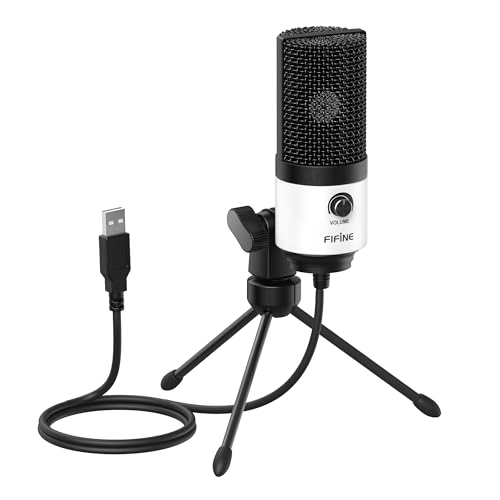 | FIFINE K669 White USB Desktop Microphone for Recording, Onli | 7.4/10 |
View on Amazon Free Shipping & 30-Day Returns |
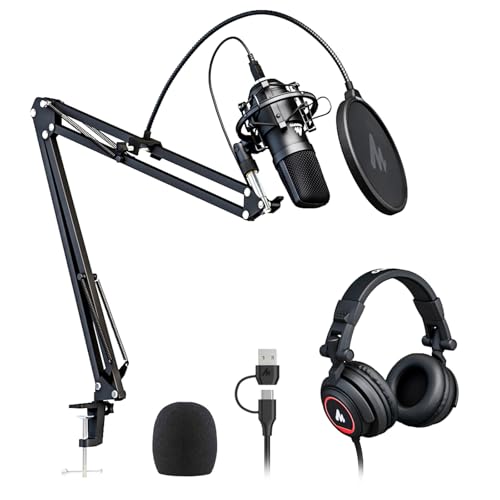 | MAONO AU-A04H USB Microphone Kit with Headphone for PC, Podc | 7.2/10 |
View on Amazon Free Shipping & 30-Day Returns |
 | PROAR XLR Podcast Microphone Professional Cardioid Condenser | 6.9/10 |
View on Amazon Free Shipping & 30-Day Returns |
 | CMTECK USB Computer Microphone G009, Noise-Cancelling Record 🥈 Runner-Up | 6.7/10 |
View on Amazon Free Shipping & 30-Day Returns |
 | Studio Recording Microphone Isolation Shield with Pop Filter | 6.5/10 |
View on Amazon Free Shipping & 30-Day Returns |
📋 How We Evaluated
Evaluation focused on the listed capsule type, pickup pattern, connection options, included accessories, and practical build details. Performance and value assessments reflect stated features, not independent listening tests or verified prices.
No Amazon ratings were supplied, so rating signals cannot support product comparisons; suitability depends on room conditions and recording equipment.
Detailed Reviews
FIFINE T669 Studio Condenser USB Microphone for Recording Po🏆 Editor’s Pick
| Connection | USB; USB-B to USB-A/C cable, 8.2 feet |
| Pickup pattern | Cardioid condenser |
| Boom reach | Up to 30 inches |
| Included accessories | Scissor arm, shock mount, double pop filter |
What We Found
The FIFINE T669 is a USB condenser kit built around simple computer recording. Its cardioid capsule focuses on sound from the front, which suits close-miked narration better than omnidirectional desktop mics. The package includes a steel scissor arm, shock mount, double pop filter, and an 8.2-foot USB cable.
The arm reaches up to 30 inches and adjusts vertically and horizontally, helping position the mic without blocking your face. Its C-clamp and detachable desktop mount offer two attachment options. Plug-and-play USB avoids a separate interface, although the listing excludes Xbox compatibility.
💬 My Take
A practical, well-equipped starting point for home narration, provided the desk can accept its clamp. Its included mounting gear gives it an advantage over bare desktop USB microphones.
Who It’s For
This kit suits voiceover beginners who want a complete desk setup rather than a microphone alone. The boom arm keeps the capsule close to your mouth while leaving room for scripts, a keyboard, or a small recording surface.
Its pop filter addresses plosive bursts, and the shock mount helps isolate some desk vibration. USB connection keeps setup approachable for narration, podcasts, and calls.
✅ Pros
- The complete kit includes a boom arm, shock mount, and double pop filter.
- The 30-inch arm reach allows flexible close-mic positioning.
- USB connection enables direct computer setup without a separate interface.
❌ Cons
- The listing says the microphone is incompatible with Xbox.
- The desk clamp requires suitable desk edges and mounting clearance.
- No price, Amazon rating, or independent audio test data was supplied.
MAONO HD300T USB XLR Dynamic Podcast Microphone for PC & Aud🥈 Runner-Up
| Connection | USB and XLR |
| Microphone type | Dynamic cardioid |
| Monitoring | 3.5 mm zero-latency headphone output in USB mode |
| Included accessories | Desktop stand, shock mount, pop filter, USB and XLR cables |
What We Found
The MAONO HD300T is a dynamic microphone offering both USB and XLR connections. Its cardioid capsule is designed to focus on the speaker and limit unwanted room reflections, an appealing approach for untreated home spaces.
In USB mode, a built-in 3.5 mm headphone jack supports zero-latency monitoring, while an integrated control adjusts headphone volume. The package includes a metal desktop stand, shock mount, pop filter, USB cable, and XLR cable.
💬 My Take
The strongest balance of voiceover-friendly pickup, monitoring, and future flexibility in this group. Its complete kit makes it an easy pick for creators planning to grow.
Who It’s For
This microphone suits home voiceover creators who want a dynamic capsule, real-time monitoring, and room to expand their setup. USB mode keeps initial recording simple, while XLR can fit a later interface-based workflow.
The included desktop stand and pop filter make it usable out of the box, though mic placement still affects sound quality. Its dynamic design may help in rooms where condenser microphones capture too much ambient sound, but results depend on distance and gain.
Buyers who need a boom arm or wireless operation should look elsewhere. Compare the current price with USB-only kits, since no price or Amazon rating was provided.
✅ Pros
- USB and XLR connections support simple setup and later expansion.
- Zero-latency headphone monitoring is available in USB mode.
- The package includes a stand, shock mount, pop filter, and two cables.
❌ Cons
- The supplied details do not specify a boom arm or wireless option.
- The listing provides no frequency response or independent audio measurements.
- No price or Amazon rating data was supplied for value comparison.
MAONO PD200W Hybrid Wireless Podcast Microphone for PC, Dyna👑 Premium Pick
| Connections | Wireless, USB, and XLR |
| Microphone type | Dynamic with 30 mm capsule |
| Pickup pattern | Cardioid |
| Listed audio figures | 82 dB signal-to-noise ratio; 128 dB maximum SPL |
What We Found
The MAONO PD200W is a hybrid dynamic microphone offering wireless, USB, and XLR operation. Its 30 mm dynamic capsule uses cardioid pickup, and the listing specifies wireless range, battery life, and an 82 dB signal-to-noise ratio.
A wireless receiver can connect two compatible microphones for separate-track interviews, according to product details. The microphone also supports USB connections to computers, phones, and tablets, plus XLR use with audio equipment.
💬 My Take
A versatile creator microphone with unusually broad connection options and useful interview features. For stationary narration, the HD300T offers a simpler value proposition.
Who It’s For
This model suits creators who record in different locations or need to move between wireless, computer, and interface workflows. Its two-mic interview feature could help podcasters capture conversations without sharing one microphone. App-based presets may also appeal to users who want sound adjustments without separate audio software.
For a fixed home voiceover desk, wireless capability may add complexity that provides little benefit. Check battery runtime, included receiver accessories, and computer or phone compatibility before relying on it for a session. The omitted price and rating data make its premium positioning hard to validate against simpler USB options.
✅ Pros
- Three connection modes allow wireless, USB, and XLR workflows.
- The receiver can support two microphones with separate-track recording.
- MaonoLink offers preset modes and EQ and reverb adjustments.
❌ Cons
- Camera and Lightning accessories are sold separately.
- Battery life and wireless range are not specified in the supplied details.
- No price or Amazon rating was provided to assess its premium value.
TONOR USB Microphone for PC, Cardioid Condenser Computer Mic
| Connection | USB Type-C to USB-A cable |
| Pickup pattern | Cardioid condenser |
| Included accessories | Foldable tripod, shock mount, pop filter |
| Compatibility | Windows, macOS, Linux, PS4; iPad with adapter |
What We Found
The TONOR TC30 is a USB condenser microphone with cardioid pickup and a supplied desktop kit. Its package includes a concealed shock mount, foldable tripod, pop filter, USB Type-C-to-USB-A cable, and manual. The manufacturer says the shock mount reduces noise from keyboards, mice, radiators, or microphone contact.
Setup requires no additional driver, and stated compatibility includes Windows, macOS, Linux, PS4, and iPad with an adapter. It is explicitly not compatible with phones or Xbox.
💬 My Take
A solid essentials kit for simple desktop narration, especially where Linux compatibility matters. Its tripod limits placement flexibility compared with the T669’s boom arm.
Who It’s For
The TC30 fits budget-conscious creators who want a basic USB microphone with essential accessories in one package. The pop filter and shock mount address common narration issues, while the foldable tripod keeps the setup portable.
It can suit desk-based voiceovers, streaming, and meetings when the speaker can sit close to the mic. Buyers seeking flexible arm positioning may prefer a boom-mounted kit. Linux support is stated, but phone and Xbox users should choose another model.
Confirm that an iPad adapter is available for the intended setup, and compare current pricing because no price or rating data was included.
✅ Pros
- The package includes a tripod, shock mount, and pop filter.
- Driver-free setup supports several computer operating systems, including Linux.
- The foldable tripod suits compact or portable desk setups.
❌ Cons
- The listing excludes phone and Xbox compatibility.
- A small tripod offers less reach and positioning flexibility than a boom arm.
- No price, Amazon rating, or independent audio measurements were supplied.
FIFINE K669 White USB Desktop Microphone for Recording, Onli
| Connection | USB |
| Pickup pattern | Cardioid condenser |
| Level control | Built-in input volume knob |
| Compatibility | PC, Mac, PS4 |
What We Found
The FIFINE K669 is a compact USB condenser microphone with a cardioid pickup pattern and a built-in volume knob. The knob adjusts input sensitivity directly, which can make quick level changes easier than navigating software menus. Its stated uses include home recording, online meetings, gaming, and education.
The listing describes a sturdy metal body intended to resist damage and reduce unwanted vibration. USB connection supports PC and Mac setup, while the stated compatibility also includes PS4 and common conferencing and streaming applications.
The product details do not mention a separate stand, pop filter, shock mount, headphone output, or XLR connection. That keeps the setup simple, but leaves voiceover creators to manage plosives and desk placement themselves. No price or Amazon rating data was provided.
💬 My Take
A sensible compact mic for casual narration and calls, with useful onboard level control. The sparse accessory package makes it less complete than the T669.
Who It’s For
The K669 is for buyers who want a straightforward desktop microphone with hands-on input control. It can work for short narration, remote meetings, and creator workflows where quick setup matters more than advanced monitoring. The compact body may fit crowded desks, and the metal construction is a useful durability detail.
Voiceover users should consider adding a suitable stand and pop filter if the package does not include them. Its cardioid pattern is more appropriate for a single speaker than an omnidirectional mic, though it cannot eliminate room noise.
Check the exact included accessories and current price before comparing it with the T669 kit.
✅ Pros
- The onboard knob provides direct input sensitivity adjustment.
- Cardioid pickup is suited to focused, single-speaker recording.
- The metal body offers a sturdier construction than many lightweight desktop mics.
❌ Cons
- The listed details do not specify included pop filtering or shock isolation.
- There is no XLR output or headphone monitoring feature listed.
- No price, Amazon rating, or measured audio performance was supplied.
MAONO AU-A04H USB Microphone Kit with Headphone for PC, Podc
| Connection | USB 2.0 |
| Sampling specification | 192 kHz/24-bit |
| Microphone capsule | 16 mm electret condenser |
| Included headphones | 50 mm drivers; foldable design |
What We Found
The MAONO AU-A04H pairs a USB condenser microphone with studio headphones. The listing specifies 192 kHz/24-bit sampling, a 30 Hz to 16 kHz frequency response, and a 16 mm electret condenser transducer.
It connects through USB without an external sound card or driver, and the cable includes shielding intended to reduce interference. The bundled headphones use 50 mm drivers and fold for storage. A 3.5 mm jack and 6.35 mm adapter are listed for monitoring or other connections.
💬 My Take
A convenient all-in-one bundle for a new creator, but unclear pickup and monitoring details limit confidence. Verify those points before choosing it over the better-documented HD300T.
Who It’s For
This bundle is aimed at beginners who need both a computer microphone and headphones for a starter recording desk. USB setup can simplify voiceover and podcast sessions, while the included headphones help with playback checks.
Its condenser capsule may suit speech in a reasonably controlled room, though the listing does not specify a pickup pattern. Buyers should confirm headphone monitoring behavior and device compatibility before purchase, especially for phones and tablets.
The stated frequency response tops out at 16 kHz, which may matter to users comparing detailed recording specifications. Compare the bundle’s current cost with buying components separately; no price or rating data was supplied.
✅ Pros
- The microphone and headphones provide a useful starter recording bundle.
- Driver-free USB connection avoids the need for an external sound card.
- The listing specifies 192 kHz/24-bit sampling and a 30 Hz to 16 kHz response.
❌ Cons
- The listed frequency response is limited to 16 kHz.
- The pickup pattern is not specified in the supplied details.
- No price, Amazon rating, or independent audio test results were provided.
PROAR XLR Podcast Microphone Professional Cardioid Condenser
| Connection | XLR |
| Microphone type | Condenser with 14 mm capsule |
| Pickup pattern | Cardioid |
| Power requirement | 48 V phantom power; equipment not included |
What We Found
The PROAR is an XLR condenser microphone kit with a 14 mm capsule and cardioid pickup pattern. Its stated frequency response spans 20 Hz to 20 kHz, though the listing provides no independent measurements.
The metal microphone includes a shock mount and detachable pop filter, which can help manage desk vibration and plosive bursts. A weighted desktop stand adjusts from 7.6 to 11.2 inches, allowing some height customization.
💬 My Take
A reasonable XLR starter kit for an equipped desk, but the missing phantom-power hardware raises the real cost. Skip it if direct USB setup is essential.
Who It’s For
This kit is aimed at voiceover buyers who already own an audio interface, mixer, or preamp with 48-volt phantom power. The XLR connection can fit a more traditional studio signal chain and may suit creators who want hands-on control from external equipment.
The included shock mount, filter, and adjustable stand reduce accessory shopping, but do not remove the need for a compatible power source.
✅ Pros
- The stated 20 Hz to 20 kHz response covers a broad audio range.
- A shock mount and detachable pop filter are included.
- The height-adjustable stand supports desktop placement.
❌ Cons
- A separate interface, mixer, or preamp with 48 V phantom power is required.
- There is no direct USB connection listed.
- No price, Amazon rating, or independent performance testing was supplied.
CMTECK USB Computer Microphone G009, Noise-Cancelling Record🥈 Runner-Up
| Connection | USB |
| Pickup pattern | Omnidirectional condenser |
| Controls | Mute button with LED status indicator |
| Positioning | 360-degree adjustable gooseneck |
What We Found
The CMTECK G009 is a compact USB desktop microphone with an omnidirectional condenser capsule. Unlike a cardioid voiceover mic, an omnidirectional pattern picks up sound from all directions, making room noise and keyboard sounds more relevant.
The listing pairs that pattern with a CCS2.0 noise-cancelling chip and a pop filter, though it provides no independent measurements of noise reduction. A physical mute button has a status light: green for connected, red for mute.
💬 My Take
A convenient meeting mic, but its omnidirectional pattern weakens its case for polished home voiceovers. Choose it for compact calls, not room-noise control.
Who It’s For
The G009 is best for people prioritizing a compact setup for calls, classes, dictation, or casual recording. Its gooseneck lets speakers move the capsule closer without installing a boom arm. The visible mute indicator is useful during meetings, especially when quick privacy control matters more than studio adjustments.
However, its omnidirectional pickup is a poor match for untreated rooms where narration needs to isolate one voice. Buyers should confirm their operating system is supported, since the listing explicitly excludes Linux and Android.
It may suit a tidy secondary desk microphone, but voiceover creators should compare it with directional models before choosing it for finished recordings.
✅ Pros
- The compact base preserves desk space for other equipment.
- A dedicated mute button and status light make meeting control clear.
- Driver-free USB setup requires no external power supply.
❌ Cons
- Omnidirectional pickup can capture more room and keyboard noise than cardioid models.
- The stated compatibility excludes Linux, Android, and Raspberry Pi.
- No price, Amazon rating, or measured noise-cancellation results were supplied.
Studio Recording Microphone Isolation Shield with Pop Filter
| Connection | USB; Type-C adapter included |
| Pickup pattern | Cardioid condenser |
| Shield | Foldable three-panel design with absorbent foam |
| Included accessories | Metal tripod, pop filter, mic clip, cable |
What We Found
This studio microphone bundle combines a USB condenser with a foldable three-panel isolation shield, pop filter, and metal tripod. The shield uses a reflective layer, filter layer, and absorbent inner foam. Its panels can fold and angle around the microphone, potentially reducing nearby reflections when positioned carefully.
A height-adjustable tripod supports desk placement, while a separate mic stand is not included. The kit lists a USB cable and Type-C adapter, plus a mic clip and instruction manual.
💬 My Take
The accessory bundle is appealing, but missing details on model and performance make the purchase harder to assess. Verify device compatibility and return coverage before buying.
Who It’s For
This bundle may suit beginners who want a microphone, basic pop filtering, and a portable shield in one package. The foldable panels make it easier to store or reposition than a fixed acoustic enclosure.
It could help control some reflections around a desk, but it should not be treated as room soundproofing. Buyers recording narration should still address noise from fans, traffic, and other sources. The tripod is appropriate for desk use, while a separate stand is needed for alternate mounting.
Because the listing omits key technical details and a clear product identity, verify connector compatibility, replacement support, and return options before buying.
✅ Pros
- The foldable shield and tripod provide a portable desk recording setup.
- The cardioid pattern targets sound from the microphone’s front.
- A pop filter and Type-C adapter are included.
❌ Cons
- The listing omits a clear brand, model, and detailed microphone specifications.
- The shield may reduce reflections but cannot soundproof a room.
- A separate microphone stand is required for stand-mounted use.
What to Look For Before Buying
Picking a home voiceover mic starts with your room, not the flashiest spec. A quiet, treated space can handle more capsule types than a reflective room next to a fan. Decide whether USB simplicity or an XLR upgrade path matters more. Then check mounting, monitoring, and compatibility before comparing prices.
Check Match Pickup Pattern to Your Room
Cardioid mics focus on sound from the front, which cuts some off-axis noise. They do not remove echoes, fans, or traffic. Dynamic capsules work well in untreated rooms, especially when close to the speaker. Condenser mics may capture more detail, but room noise becomes more noticeable.
Test a short narration sample in your actual space before committing.
Value Compare the Complete Setup Cost
A low microphone price may not include the gear needed to record. XLR mics often require an interface, mixer, or preamp, and some condensers need phantom power. USB kits can include stands and filters, but accessories differ across listings.
Check whether a pop filter, shock mount, cable, and monitoring option are included. Compare the total cost of a working setup, not only the microphone.
Rating Treat Ratings as One Signal
Read recent buyer feedback for recurring reports about noise, durability, compatibility, or missing accessories. A high average score cannot confirm that a mic suits voiceovers or a particular room. Check review counts and recent updates alongside detailed comments.
In this comparison, no Amazon ratings were supplied, so use verified specifications and return terms to fill that gap.
Verify Confirm Connections and Placement
Check the connector against the computer, tablet, or interface used for recording. Confirm that any XLR condenser has the required phantom power available. Review OS exclusions and whether mobile devices need an adapter. Measure desk space and check whether a clamp, tripod, or boom arm will fit.
Position the capsule close to the mouth and slightly off-axis to help control plosives.
Frequently Asked Questions
Is a USB or XLR microphone better for home voiceovers?
USB is simpler because it can connect directly to a compatible computer. XLR can integrate with interfaces and mixers, but requires extra equipment. Some microphones, such as the MAONO HD300T, offer both connection types. Choose based on the gear and workflow you already have.
Does a cardioid microphone block background noise?
Cardioid pickup emphasizes sound from the front, which can reduce some off-axis sounds. It does not block room noise or replace acoustic treatment. Keep the microphone close to the speaker and reduce nearby noise sources. A short test recording can reveal whether the room needs further treatment.
Do voiceover beginners need a boom arm?
A boom arm can position a microphone close to the mouth while freeing desk space. A tripod or desktop stand can also work if it places the capsule correctly. Check mounting compatibility and desk clearance before buying an arm-equipped kit.
A pop filter and stable placement may matter more than the mount style.
Are the listed Amazon ratings enough to compare these microphones?
No Amazon rating data was supplied for these products. Ratings also cannot substitute for checking compatibility, included accessories, and sound samples. Look for recent, detailed reviews that mention the intended use. Verify the seller’s return policy before purchase.
Can a microphone isolation shield make a room soundproof?
No, a desktop shield is not soundproofing. It may reduce some reflections near the microphone, depending on its design and placement. It will not reliably stop traffic, fans, or sound entering through walls. Record in the quietest available space and treat reflections where practical.
🎯 Final Verdict
The MAONO HD300T is the strongest overall choice for home voiceovers because its dynamic cardioid capsule, USB/XLR flexibility, and zero-latency headphone monitoring address practical recording needs. Its included stand, shock mount, and pop filter make the initial setup more complete.
The FIFINE T669 is the better alternative for buyers who prefer a USB condenser kit with a boom arm and dual-layer filter. Compare current prices, compatibility, and return terms before choosing. Select the HD300T for adaptable narration and monitoring, then record a test take in the intended room.

James Dimento is a Chief-in-Editor of SoundUnify. He is a headphone enthusiast and creative writer passionate about audio technology. He has three years of experience writing about headphones and sound quality and is responsible for creating reviews and taking care of all administration.