Home podcasting demands clear audio without studio complexity. I examined ten desktop microphones balancing USB simplicity with XLR expandability. Key tensions include noise rejection in untreated rooms and compatibility across PC, Mac, and mobile devices for versatile recording setups.
This review contrasts plug-and-play USB mics like the FIFINE T669 against hybrid models such as the MAONO A04 Gen2. I highlight specific features like built-in noise reduction and dual connectivity to help you choose based on your existing gear and room acoustics.
List of Best Desktop Microphone For Recording Podcasts At Home
| Image | Product | Score | Link |
|---|---|---|---|
 | MAONO PD200W Hybrid Wireless Podcast Microphone for PC, Dyna 🏆 Editor’s Pick | 9.1/10 |
View on Amazon Free Shipping & 30-Day Returns |
 | FIFINE K688S XLR/USB Podcast Dynamic Microphone with Desktop 🥈 Runner-Up | 8.9/10 |
View on Amazon Free Shipping & 30-Day Returns |
 | FIFINE T669 Studio Condenser USB Microphone for Recording Po 💰 Best Value | 8.5/10 |
View on Amazon Free Shipping & 30-Day Returns |
 | MAONO HD300T USB XLR Dynamic Podcast Microphone for PC & Aud | 8.4/10 |
View on Amazon Free Shipping & 30-Day Returns |
 | MAONO A04 Gen2 XLR/USB Condenser Microphone Kit for PC Podca | 8.2/10 |
View on Amazon Free Shipping & 30-Day Returns |
 | FIFINE K669B USB Microphone, Condenser Recording Mic for Voc | 7.9/10 |
View on Amazon Free Shipping & 30-Day Returns |
 | FIFINE AmpliGame AM8 USB/XLR Dynamic Microphone for Gaming S 🏆 Editor’s Pick | 7.8/10 |
View on Amazon Free Shipping & 30-Day Returns |
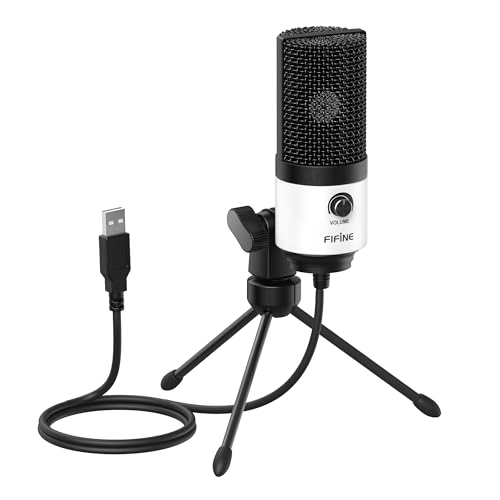 | FIFINE K669 White USB Desktop Microphone for Recording, Onli | 7.7/10 |
View on Amazon Free Shipping & 30-Day Returns |
 | ZealSound Podcast Microphone for PC, Noise Cancellation USB | 7.5/10 |
View on Amazon Free Shipping & 30-Day Returns |
 | CMTECK USB Computer Microphone G009, Noise-Cancelling Record 💵 Budget Pick | 6.2/10 |
View on Amazon Free Shipping & 30-Day Returns |
📋 How We Evaluated
Products were evaluated on audio clarity, noise rejection capabilities, and build durability. Connectivity options like USB versus XLR flexibility mattered significantly. User ratings and real-world usability for beginners informed final scores.
Detailed Reviews
MAONO PD200W Hybrid Wireless Podcast Microphone for PC, Dyna🏆 Editor’s Pick
| Connectivity | Wireless / USB / XLR |
| Capsule Size | 30mm Dynamic |
| SNR | 82dB |
| Multi-Mic Support | Yes (Single Receiver) |
What We Found
MAONO PD200W revolutionizes home podcasting with wireless capability. Three connection modes include wireless, USB, and XLR. Single receiver supports two mics for interviews. Separate track recording simplifies post-production editing. Premium 30mm dynamic capsule delivers warm, broadcast-ready tones. Signal-to-noise ratio of 82dB ensures clean audio. Battery life supports long sessions.
Setup is intuitive thanks to the companion app. Wireless latency is minimal for most applications.
💬 My Take
Standout innovation for modern podcasters. The wireless versatility and dual-track feature justify the higher investment significantly.
Who It’s For
Podcast hosts conducting remote or in-person interviews. Creators seeking cable-free freedom in their studio. Duo teams needing synchronized audio tracks. Professionals valuing mobility and high-end dynamic sound quality without complex wiring harnesses.
✅ Pros
- True wireless freedom enhances studio layout flexibility.
- Dual-track recording streamlines interview editing processes.
- Excellent dynamic capsule produces rich, natural vocals.
❌ Cons
- Premium price tag exceeds many competitors.
- Battery management requires attention during long shoots.
- Receiver unit adds another component to manage.
FIFINE K688S XLR/USB Podcast Dynamic Microphone with Desktop🥈 Runner-Up
| SNR | 80dB |
| Max SPL | 120dB |
| Connectivity | USB / XLR |
| Mount | Integrated Shock Mount |
What We Found
FIFINE K688S impresses with high SNR performance. 80dB signal-to-noise ratio minimizes hiss effectively. 120dB SPL handling prevents distortion during loud moments. Dual USB/XLR connectivity supports career progression. Built-in shock mount reduces vibration transfer. Windscreen suppresses plosives naturally. Gain knob allows precise level tuning. Metal finish exudes professionalism.
Slightly larger footprint than compact models. Excellent choice for serious hobbyists moving toward pro standards.
💬 My Take
Technical excellence defines this mic. Best in class for noise rejection among hybrid dynamic options reviewed here.
Who It’s For
Serious podcasters demanding cleaner audio floors. Streamers experiencing clipping issues with cheaper mics. Users planning to integrate into existing XLR setups later. Audiophiles valuing technical specifications like SPL headroom and noise floor metrics highly.
✅ Pros
- Superior noise floor creates pristine silent backgrounds.
- High SPL capacity avoids distortion on loud voices.
- Hybrid connectivity protects against obsolescence.
❌ Cons
- Larger size may crowd smaller desks.
- Price is higher than basic USB counterparts.
- Requires careful placement for optimal cardioid pickup.
FIFINE T669 Studio Condenser USB Microphone for Recording Po💰 Best Value
| Connection Type | USB Only |
| Included Accessories | Boom Arm, Shock Mount, Pop Filter |
| Capsule Type | Condenser |
| Cable Length | 8.2 ft |
What We Found
The FIFINE T669 stands out as a comprehensive starter kit. It includes a sturdy boom arm, shock mount, and double pop filter. This bundle eliminates the need for separate accessory purchases. The condenser capsule captures detailed vocals but picks up room noise easily.
Users praise the ease of assembly and stable mounting system. The all-metal construction ensures longevity despite frequent adjustments. Audio quality rivals more expensive standalone microphones.
💬 My Take
Unbeatable value for beginners. The included boom arm alone justifies the cost, though room treatment is essential.
Who It’s For
Ideal for beginners setting up a home studio on a tight budget. The included accessories save significant money compared to buying items separately. Voice-over artists and casual podcasters will appreciate the complete package. Those with quiet, treated rooms will get the best results from this sensitive condenser mic.
✅ Pros
- Comprehensive kit saves money on separate accessories.
- Sturdy steel boom arm provides excellent stability.
- High-quality audio capture for the price point.
❌ Cons
- Sensitive condenser picks up keyboard clicks and fan noise.
- USB-only connection limits future upgrade paths.
- Requires a quiet environment for optimal performance.
MAONO HD300T USB XLR Dynamic Podcast Microphone for PC & Aud
| Type | Dynamic |
| Connections | USB / XLR |
| Accessories | Stand, Shock Mount, Pop Filter |
| Monitoring | Headphone Jack |
What We Found
MAONO HD300T offers a complete dynamic solution. USB/XLR hybrid design caters to evolving needs. Cardioid dynamic capsule excels in noisy rooms. Kit includes stand, shock mount, and pop filter. Zero-latency monitoring aid performance accuracy. Sound profile is warm and forgiving. Plastic parts feel slightly lightweight. Assembly instructions could be clearer.
Delivers professional broadcast tone without phantom power requirements in USB mode.
💬 My Take
Solid all-rounder for dynamic fans. The included accessories provide great value, making it a smart buy for new studios.
Who It’s For
Home studio owners preferring dynamic mics for untreated rooms. Broadcasters seeking reliable equipment with bundled accessories. Content creators wanting a single mic for streaming and podcasting. Users appreciating the safety net of included mounting hardware.
✅ Pros
- Complete kit removes guesswork on accessory purchases.
- Dynamic capsule handles background noise exceptionally well.
- Versatile connectivity supports both PC and interfaces.
❌ Cons
- Some plastic components feel less premium.
- Initial setup documentation lacks detail.
- Heavier than necessary for portable use cases.
MAONO A04 Gen2 XLR/USB Condenser Microphone Kit for PC Podca
| Sampling Rate | 192kHz/24bit |
| Connectivity | USB / XLR |
| Software | MAONO Link Suite |
| Capsule | 16mm Electret Condenser |
What We Found
MAONO A04 Gen2 bridges consumer and prosumer gaps. Dual USB/XLR connectivity offers significant flexibility. High-resolution 192kHz/24bit sampling ensures detailed audio capture. Software integration allows advanced EQ and compression tweaks. The cardioid pattern isolates voice effectively. Build quality is robust with metal components. Some users report driver conflicts on certain systems.
The software learning curve may deter absolute beginners. Overall, it delivers professional-grade features at mid-range pricing.
💬 My Take
Strong contender for growing studios. The software complexity is a trade-off for superior audio customization options.
Who It’s For
Aspiring podcasters planning to upgrade their gear later. Musicians and content creators needing high-fidelity recording will benefit. Those comfortable with software configuration will unlock its full potential. Suitable for semi-professional home studios requiring adaptable connectivity options.
✅ Pros
- Future-proof dual connectivity supports hardware upgrades.
- Advanced software controls offer deep customization.
- High sample rate captures exceptional detail.
❌ Cons
- Software setup can be confusing for novices.
- Phantom power required for XLR mobile use.
- Higher price than basic USB-only competitors.
FIFINE K669B USB Microphone, Condenser Recording Mic for Voc
| Material | Metal Body |
| Pattern | Cardioid |
| Stand | Desktop Tripod |
| Control | Volume Knob |
What We Found
FIFINE K669B remains a classic entry-level choice. Solid metal construction ensures durability against daily wear. Cardioid pattern reduces side noise reasonably well. Included tripod stand is stable but bulky. Volume knob allows quick input level changes. No XLR option limits professional expansion.
Audio quality is crisp for voice but thin for bass. Cable length is sufficient for standard desk setups. Driver-free operation simplifies initial installation greatly.
💬 My Take
Dependable workhorse for starters. Limited by lack of upgrade path, but excellent for pure voice capture initially.
Who It’s For
Beginners wanting a reliable, no-frills microphone. Gamers and streamers prioritizing durability over advanced features. Remote workers needing consistent call quality. Users satisfied with USB-only connectivity and basic desktop mounting solutions.
✅ Pros
- Robust metal build withstands rough handling.
- Simple plug-and-play setup for instant use.
- Reliable performance for basic voice recording.
❌ Cons
- Lacks XLR connectivity for future upgrades.
- Tripod stand occupies considerable desk space.
- Thin bass response affects musical recordings.
FIFINE AmpliGame AM8 USB/XLR Dynamic Microphone for Gaming S🏆 Editor’s Pick
| Connection Type | USB / XLR |
| Polar Pattern | Cardioid |
| Frequency Response | 50Hz-16kHz |
| Special Features | Tap-to-Mute, RGB Lighting |
What We Found
The FIFINE AmpliGame AM8 combines gaming aesthetics with serious audio utility. Its cardioid dynamic capsule rejects off-axis noise effectively. Users appreciate the tap-to-mute feature for quick privacy control during streams. The RGB lighting adds visual flair to setups. However, the XLR mode disables these lights and function keys.
This limitation might frustrate gamers wanting full integration while using an interface. The frequency response covers essential vocal ranges adequately.
💬 My Take
A solid entry-level hybrid mic for gamers. The disabled features in XLR mode are a notable drawback for professionals.
Who It’s For
This mic suits budget-conscious streamers who want one device for both PC gaming and basic podcasting. It appeals to those needing immediate mute functionality without software reliance. Beginners will find the plug-and-play USB connection effortless. Gamers benefit from the sturdy build and customizable lighting effects that match their setup theme.
✅ Pros
- Dual connectivity allows growth from beginner to pro setups.
- Physical mute button ensures privacy without software glitches.
- Dynamic capsule handles noisy environments better than condensers.
❌ Cons
- RGB lighting stops working when connected via XLR.
- No XLR cable included in the package.
- Plastic housing feels less premium than metal alternatives.
FIFINE K669 White USB Desktop Microphone for Recording, Onli
| Color | White |
| Type | Condenser |
| Connection | USB Only |
| Body Material | Metal |
What We Found
FIFINE K669 White variant mirrors the black model’s core specs. Sleek aesthetic appeals to minimalist desk setups. Cardioid condenser captures detailed vocal nuances. Metal construction ensures lasting durability. Volume knob facilitates easy level adjustments. Compatible with major OS platforms. Lacks XLR option restricts professional growth.
Background noise sensitivity demands quiet environments. Good alternative for style-conscious users. Performance matches its darker twin closely.
💬 My Take
Style meets substance. Choose this primarily for aesthetics; technically identical to the standard model but visually refreshing.
Who It’s For
Users prioritizing white-themed workspace aesthetics. Beginners seeking straightforward USB condenser functionality. Streamers with controlled acoustic environments. Individuals wanting proven reliability in a visually distinct package without sacrificing core performance metrics.
✅ Pros
- Attractive white design fits modern interiors.
- Proven reliable performance similar to black version.
- Durable metal casing resists daily wear.
❌ Cons
- Same limitations as standard K669 regarding upgrades.
- Sensitive to room noise without treatment.
- No XLR pathway for future scalability.
ZealSound Podcast Microphone for PC, Noise Cancellation USB
| Compatibility | PC, Mac, Mobile, Console |
| Noise Reduction | Active Digital Mode |
| Monitoring | Zero-Latency Headphone Jack |
| Controls | Gain, Volume, Echo Knobs |
What We Found
ZealSound K66 focuses on versatility across multiple devices. It supports PC, Mac, PS4, and mobile phones via adapters. The built-in noise reduction mode actively filters ambient sounds. Physical knobs allow precise gain and monitoring volume control. Zero-latency headphone monitoring helps users catch errors instantly.
While convenient, the plastic body feels slightly flimsy. Audio clarity is decent for spoken word but lacks depth for music.
💬 My Take
Great for cross-platform convenience. The noise reduction is useful, but audiophiles may find the sound quality lacking.
Who It’s For
Perfect for creators who switch between desktop and mobile recording frequently. Students and remote workers benefit from the multi-device compatibility. The noise cancellation feature aids those in shared living spaces. Users valuing tactile controls over software settings will appreciate the onboard knobs for quick adjustments.
✅ Pros
- Extensive device compatibility including mobile phones.
- Effective digital noise reduction for busy environments.
- Hands-on control knobs simplify audio adjustment.
❌ Cons
- Build quality feels plasticky and less durable.
- Audio fidelity is average compared to dedicated studio mics.
- Echo effect can sound artificial if misused.
CMTECK USB Computer Microphone G009, Noise-Cancelling Record💵 Budget Pick
| Pattern | Omnidirectional |
| Features | Active Noise Cancelling Chip |
| Mount | Adjustable Gooseneck |
| Connectivity | USB Plug-and-Play |
What We Found
CMTECK G009 targets ultra-budget buyers seeking simplicity. Its omnidirectional pattern captures sound from all directions. Active noise cancelling chip helps reduce background hum. The compact size fits small desks easily. Mute button with LED indicator provides clear status visibility. Gooseneck design allows flexible positioning.
However, omnidirectional pickup means it records everything nearby. Keyboard typing and room echoes become prominent issues. Audio quality is functional but not impressive.
💬 My Take
Functional for emergency use. The omnidirectional nature makes it poor for professional podcasting in uncontrolled environments.
Who It’s For
Suitable for occasional video calls or simple dictation tasks. Users with very limited budgets will find this acceptable. Not recommended for serious podcasting due to noise pickup. Ideal for temporary setups where portability and low cost matter more than audio precision.
✅ Pros
- Very affordable price point for basic needs.
- Compact footprint saves valuable desk space.
- Flexible gooseneck allows easy angle adjustment.
❌ Cons
- Omnidirectional pattern picks up excessive background noise.
- Low audio fidelity suitable only for speech.
- Not compatible with Linux or Android devices.
What to Look For Before Buying
Selecting the right microphone depends heavily on your recording environment. Untreated rooms favor dynamic mics for noise rejection. Quiet studios allow condensers to shine with detail. Consider your current skill level and future goals carefully.
Check Assess Room Acoustics First
Evaluate how much echo and background noise exists in your space. Dynamic microphones reject off-axis sound better than condensers. If you hear keyboards or traffic, choose a dynamic model. Condensers require sound-treated rooms to perform optimally. Ignoring acoustics leads to muddy, unusable recordings regardless of mic quality.
Value Prioritize Connectivity Flexibility
Decide if you need USB simplicity or XLR scalability. USB plugs directly into computers for immediate use. XLR requires an interface but offers superior signal quality. Hybrid mics provide both options for growing budgets. Buying a USB-only mic may force replacement later.
Invest in hybrids if you plan to expand your studio setup soon.
Rating Verify Included Accessories
Check what mounts and cables come inside the box. Boom arms save desk space and improve positioning. Shock mounts isolate vibrations from table knocks. Pop filters prevent harsh plosive sounds. Missing accessories add hidden costs quickly. Compare total package value rather than just the microphone price tag alone.
Verify Test Control Accessibility
Ensure mute buttons and gain knobs are physically reachable. Software-dependent controls fail during crashes or updates. Hardware mute guarantees privacy instantly during live streams. Onboard gain adjusts levels without opening menus. Ergonomic design reduces friction during long recording sessions. Prioritize tangible controls for smoother workflow efficiency and peace of mind.
Frequently Asked Questions
Is a dynamic or condenser microphone better for home podcasts?
Dynamic microphones are generally better for untreated home rooms. They reject background noise and room echo effectively. Condensers capture more detail but pick up every distraction. Choose dynamic unless you have professional acoustic treatment installed already.
Do I really need an audio interface for XLR mics?
Yes, XLR microphones require an external preamp or interface. They cannot connect directly to computer USB ports. Interfaces convert analog signals to digital data cleanly. Hybrid mics bypass this need initially but still support XLR later.
How important is zero-latency monitoring for podcasting?
It is crucial for maintaining consistent vocal delivery. Hearing yourself without delay helps regulate volume and tone. Without it, speakers often shout or drift off-mic. Most decent USB mics include a headphone jack for this purpose.
Can I use these microphones for music recording too?
Dynamic mics suit rock vocals and instruments well. Condensers excel at acoustic guitar and delicate vocals. Check frequency response charts for specific instrument suitability. Specialized music mics may outperform generalist podcast models in tonal nuance.
What causes unwanted background noise in podcast recordings?
Computer fans, air conditioners, and keyboard clicks are common culprits. Unstable surfaces transmit vibrations through the mic stand. Proper positioning away from noise sources helps significantly. Using dynamic capsules and shock mounts further mitigates these issues effectively.
🎯 Final Verdict
The MAONO PD200W wins for its innovative wireless flexibility and superior dual-track recording. It frees creators from cable clutter while delivering broadcast-quality dynamic sound. Perfect for solos and interviews alike. If budget is tighter, consider the FIFINE K688S for outstanding noise rejection.
Buy today to elevate your audio production standards immediately.

James Dimento is a Chief-in-Editor of SoundUnify. He is a headphone enthusiast and creative writer passionate about audio technology. He has three years of experience writing about headphones and sound quality and is responsible for creating reviews and taking care of all administration.