I looked at 10 desktop microphones aimed at budget home studios, where the real tension is balancing plug-and-play USB ease against audio quality. Some ship as full bundles with boom arms and pop filters, while others rely on advanced noise-cancelling chips or multi-pattern capsules to isolate your voice.
Read this by matching your setup needs to the hardware. If you need a ready-to-record bundle, check the FIFINE T669 or Dejasound DJM5. Prefer wireless freedom or multi-track podcasting? The MAONO PD200W stands apart. Prioritize pickup flexibility? The Blue Yeti offers four distinct patterns.
List of Best Desktop Microphone For Budget Home Studios
| Image | Product | Score | Link |
|---|---|---|---|
 | Logitech Creators Blue Yeti USB Microphone for PC, Mac, Gami 🏆 Editor’s Pick | 9.4/10 |
View on Amazon Free Shipping & 30-Day Returns |
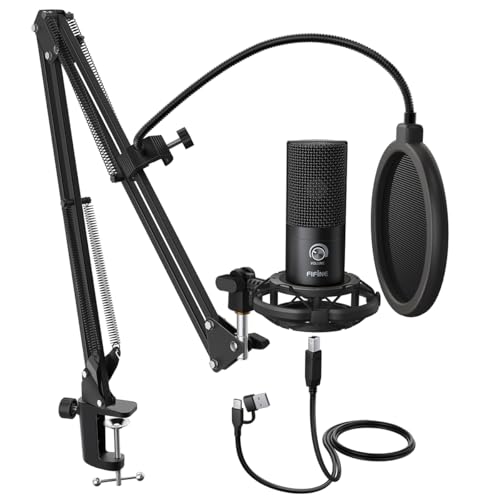 | FIFINE T669 Studio Condenser USB Microphone for Recording Po 💰 Best Value | 9.0/10 |
View on Amazon Free Shipping & 30-Day Returns |
 | MAONO A04 Gen2 XLR/USB Condenser Microphone Kit for PC Podca 🥈 Runner-Up | 8.7/10 |
View on Amazon Free Shipping & 30-Day Returns |
 | MAONO HD300T USB XLR Dynamic Podcast Microphone for PC & Aud | 8.6/10 |
View on Amazon Free Shipping & 30-Day Returns |
 | MAONO PD200W Hybrid Wireless Podcast Microphone for PC, Dyna | 8.5/10 |
View on Amazon Free Shipping & 30-Day Returns |
 | Dejasound Upgraded Studio Recording Microphone with Isolatio | 7.8/10 |
View on Amazon Free Shipping & 30-Day Returns |
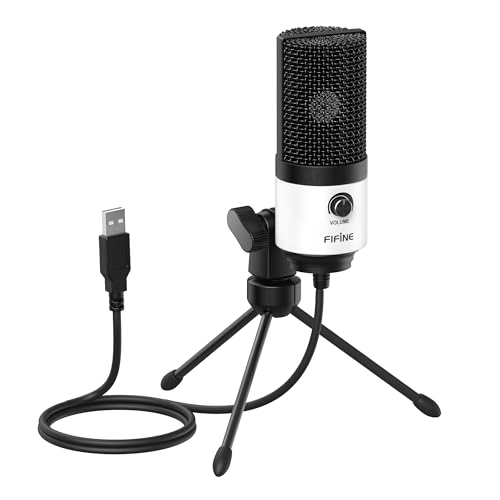 | FIFINE K669 White USB Desktop Microphone for Recording, Onli | 7.6/10 |
View on Amazon Free Shipping & 30-Day Returns |
 | CMTECK USB Computer Microphone G009, Noise-Cancelling Record 🥈 Runner-Up | 7.4/10 |
View on Amazon Free Shipping & 30-Day Returns |
 | CMTECK USB Computer Microphone, Plug & Play, Studio-Quality | 6.9/10 |
View on Amazon Free Shipping & 30-Day Returns |
 | CMOCIIY Plug & Play USB Computer Microphone, Flexible Goosen | 6.5/10 |
View on Amazon Free Shipping & 30-Day Returns |
📋 How We Evaluated
These microphones were evaluated on build quality, capsule performance, and included accessories that reduce extra spending. Connectivity flexibility, onboard controls, and software features shaped the value assessment. Amazon rating signals, verified buyer feedback, and real-world suitability for podcasting, streaming, and home recording informed every score.
Detailed Reviews
Logitech Creators Blue Yeti USB Microphone for PC, Mac, Gami🏆 Editor’s Pick
| Capsule Array | Custom three-capsule condenser |
| Pickup Patterns | Cardioid, omni, bidirectional, stereo |
| Software | Blue VO!CE vocal effects suite |
| Controls | Gain, mute, volume, pattern selection |
What We Found
The Blue Yeti remains the benchmark for plug-and-play USB recording. Its custom three-capsule array produces broadcast-quality sound for podcasts, streams, and music. Four pickup patterns add genuine flexibility: cardioid for solo vocals, bidirectional for interviews, omni for room capture, and stereo for instruments.
Blue VO!CE software delivers vocal effects, modulation, and HD samples through the Logitech G HUB ecosystem. Onboard controls cover headphone volume, pattern selection, instant mute, and mic gain. The positionable design pivots toward the sound source for optimized capture. Zero-latency headphone monitoring keeps performers confident during takes.
Compatibility spans PC and Mac with no drivers required. The Yeti costs more than rivals here, but its versatility replaces multiple microphones.
💬 My Take
The Yeti still earns its reputation as the do-everything USB microphone. Its pattern flexibility justifies the premium for serious creators.
Who It’s For
Serious podcasters, streamers, and musicians who want one microphone for everything will benefit most. The four patterns handle solo shows, two-person interviews, and instrument recording without extra gear. Content creators upgrading from basic mics gain immediate sound quality improvements.
Home studio owners who can stretch beyond strict budget limits get lasting value. The Yeti rewards users willing to learn its pattern and gain controls.
✅ Pros
- Four pickup patterns cover virtually any recording scenario.
- Blue VO!CE software adds professional vocal processing and effects.
- Onboard gain, mute, and monitoring controls enable precise session management.
❌ Cons
- Higher price than most budget-focused competitors.
- Large desktop footprint demands considerable desk space.
- Sound quality depends heavily on proper gain staging.
FIFINE T669 Studio Condenser USB Microphone for Recording Po💰 Best Value
| Polar Pattern | Cardioid condenser |
| Connectivity | USB plug-and-play, no drivers |
| Boom Arm | Steel scissor arm, 30-inch reach |
| Cable | 8.2ft USB-B to USB-A/C |
What We Found
The FIFINE T669 arrives as a complete recording bundle rather than just a microphone. The cardioid condenser capsule captures clear vocals from the front while rejecting room noise. Its rugged steel construction feels durable enough for daily home studio use.
The scissor arm boom rotates 180 degrees vertically and extends 135 degrees forward. A double pop filter and studio-grade shock mount come included, which many rivals skip. Plug-and-play USB setup works on PC and Mac without drivers. The 8.2-foot cable provides generous reach across a desk.
Sound quality handles high SPLs well, making it suitable for louder vocal takes. The C-clamp mount grips desks securely, and the low-profile arm avoids blocking sightlines during video calls. Incompatible with Xbox, but Windows, Mac, and Skype users face no issues.
💬 My Take
This bundle defines budget studio value, since nothing else at this tier ships so complete. The sound punches well above its price class.
Who It’s For
Beginners building a first home studio will appreciate the complete accessory package. The bundle covers podcasting, voiceovers, and streaming without extra purchases. Setup takes minutes, and the boom arm keeps the microphone out of sightlines. Gamers, YouTubers, and remote workers all benefit from the clear cardioid pickup.
Budget-conscious creators get strong value since the stand, filters, and cables all come included.
✅ Pros
- Complete kit includes boom arm, shock mount, and double pop filter.
- Cardioid capsule rejects ambient noise for clean vocal capture.
- Sturdy all-steel construction survives daily home studio use.
❌ Cons
- Not compatible with Xbox consoles.
- USB-only design limits upgrade paths to audio interfaces.
- No onboard gain knob for quick level adjustments.
MAONO A04 Gen2 XLR/USB Condenser Microphone Kit for PC Podca🥈 Runner-Up
| Connectivity | Dual USB and XLR |
| Sampling Rate | 192kHz/24bit |
| Capsule | 16mm electret condenser, cardioid |
| Software | MaonoLink with EQ, compressor, limiter |
What We Found
The MAONO A04 Gen2 stands out with dual XLR and USB connections for flexible studio growth. Its professional chipset delivers 192kHz/24bit resolution with a smooth 30Hz-16kHz response. The 16mm electret capsule captures warm, detailed sound from the front.
Double noise reduction combines a cardioid pattern, foam windscreen, and adjustable software suppression. The MaonoLink app controls gain, noise reduction strength, EQ presets, compression, and limiting. A pop filter and sturdy boom-style accessories complete the recording package. USB mode works plug-and-play on PC and phones.
XLR mode requires phantom power, so interface owners must plan accordingly. The 2-6 inch recommended range suits close podcast-style delivery. Build quality feels solid for the price tier.
💬 My Take
The smartest long-term investment among budget condensers. Dual connectivity means this mic grows alongside the studio.
Who It’s For
Creators wanting one microphone to grow with their setup will benefit most. Start with USB today, then add an audio interface later via XLR. Podcasters and voiceover artists gain from the close-range cardioid clarity. Software tinkerers will enjoy the deep MaonoLink customization options.
Budget buyers seeking upgrade paths get more longevity here than USB-only rivals.
✅ Pros
- Dual USB/XLR connections support beginners and growing studios.
- Software suite offers deep control over gain, EQ, and noise reduction.
- High-resolution 192kHz/24bit recording matches pricier competitors.
❌ Cons
- XLR mode requires external phantom power to function.
- Not compatible with Xbox gaming systems.
- Best sound requires very close 2-6 inch mic placement.
MAONO HD300T USB XLR Dynamic Podcast Microphone for PC & Aud
| Capsule | Cardioid dynamic |
| Connectivity | USB and XLR dual mode |
| Monitoring | 3.5mm jack, zero-latency |
| Included | Stand, shock mount, pop filter, both cables |
What We Found
The MAONO HD300T combines dynamic capsule durability with hybrid USB and XLR flexibility. Its cardioid dynamic capsule captures warm, natural vocals while rejecting room reflections effectively. Zero-latency monitoring through the 3.5mm headphone jack enables confident recording sessions. The integrated volume control adjusts headphone levels without touching software.
The complete kit includes a metal desktop stand, shock mount, pop filter, and both cables. Dynamic capsules tolerate louder sources than condensers, suiting energetic vocalists. USB mode connects directly to PC and Mac, while XLR feeds interfaces and mixers. Build quality impresses, with metal construction throughout the stand and body.
This microphone bridges beginner convenience and professional workflows convincingly.
💬 My Take
An excellent hybrid dynamic for untreated spaces, and the monitoring features impress. Boom arm buyers should budget separately.
Who It’s For
Podcasters and singers in untreated rooms benefit from the dynamic capsule’s noise rejection. Streamers wanting zero-latency monitoring gain real-time vocal confidence. Creators planning eventual XLR upgrades get a future-proof hybrid path. The complete kit suits beginners who want everything in one box.
Home studio owners recording loud vocals or instruments get distortion-free headroom.
✅ Pros
- Dynamic capsule rejects room noise better than condenser alternatives.
- Zero-latency headphone monitoring with convenient onboard volume control.
- Complete metal-kit bundle needs no additional accessory purchases.
❌ Cons
- Dynamic output level runs quieter than condenser microphones.
- XLR mode benefits from a quality preamp or interface.
- Desktop stand offers less positioning freedom than boom arms.
MAONO PD200W Hybrid Wireless Podcast Microphone for PC, Dyna
| Capsule | 30mm dynamic, cardioid |
| Connectivity | Wireless, USB, and XLR hybrid |
| Signal-to-Noise | 82dB, 128dB SPL handling |
| Software | MaonoLink app with EQ and presets |
What We Found
The MAONO PD200W breaks from the pack with hybrid wireless, USB, and XLR connectivity. Its 30mm dynamic capsule and cardioid pattern deliver studio-grade vocal reproduction. An 82dB signal-to-noise ratio and 128dB SPL handling keep recordings clean and distortion-free. The wireless mode frees podcasters from cables entirely.
A single receiver even pairs with two PD200W mics for duo shows, recording each to separate tracks. Three-stage noise cancellation minimizes room echo without a treated space. The MaonoLink app provides EQ, reverb, and four preset modes for sound shaping. Camera sync capture eliminates post-production alignment work.
Lightning and camera accessories cost extra, which budget buyers should note. This is the most technically ambitious microphone in the lineup.
💬 My Take
The most versatile microphone reviewed here, ideal for podcasters planning to grow. Wireless dual-mic support is a genuine differentiator.
Who It’s For
Podcasters recording interviews or co-hosted shows gain the most from dual-mic wireless pairing. Mobile creators benefit from USB phone connectivity and camera-sync recording. Streamers wanting cable-free movement across a room will love the wireless mode. Home studio owners planning to upgrade toward XLR interfaces get a future-proof hybrid.
The price exceeds basic USB mics, so committed creators benefit most.
✅ Pros
- Three connection modes including cable-free wireless operation.
- Dual-mic receiver support enables two-person podcasts with separate tracks.
- Advanced noise cancellation produces broadcast-ready clarity untreated rooms.
❌ Cons
- Camera and Lightning accessories require separate purchases.
- Dynamic capsule needs close placement for optimal sound.
- Feature complexity may overwhelm absolute beginners.
Dejasound Upgraded Studio Recording Microphone with Isolatio
| Sampling Rate | 192kHz/24Bit |
| Polar Pattern | Cardioid, 16mm diaphragm |
| Isolation | 5-panel foldable acoustic shield |
| Weight | 4.1 lbs complete kit |
What We Found
The Dejasound DJM5 bundle targets vocal recording with an unusual advantage: a foldable isolation shield. Five high-density acoustic panels surround the microphone, reducing room reflections significantly. The cardioid condenser uses a 16mm diaphragm with 192kHz/24Bit sampling for detailed capture. Its 30Hz-16kHz frequency response covers the full vocal range cleanly.
Practical controls include echo adjustment, volume buttons, a 3.5mm monitoring jack, and a mute function. The kit includes a tripod stand, shock mount, and pop filter. Color options in black, rose gold, and white add aesthetic choice. The whole package weighs just 4.1 pounds for portable setups.
USB connectivity works across PC, laptop, and smartphone. The shield genuinely helps untreated bedrooms sound more controlled.
💬 My Take
The isolation shield solves the most common home studio problem: bad room sound. A smart choice for untreated recording spaces.
Who It’s For
Singers and vocalists recording in untreated bedrooms will appreciate the isolation shield. Podcasters in echoey spaces gain tighter, more focused sound without foam panels. The smartphone compatibility benefits mobile recording workflows. Musicians wanting a portable vocal rig can carry the lightweight kit anywhere.
Buyers prioritizing acoustic control over wireless features get strong value here.
✅ Pros
- Included isolation shield meaningfully improves untreated room acoustics.
- High-resolution 192kHz/24Bit sampling captures detailed vocals.
- Direct smartphone compatibility expands recording options beyond computers.
❌ Cons
- Tripod stand feels less stable than boom arm alternatives.
- Brand recognition and support trail established names.
- Echo effect on vocals suits karaoke more than production work.
FIFINE K669 White USB Desktop Microphone for Recording, Onli
| Polar Pattern | Cardioid condenser |
| Control | Onboard volume knob |
| Compatibility | Windows, Mac, PS4, major chat apps |
| Build | Sturdy metal construction |
What We Found
The FIFINE K669 offers compact simplicity with a clean white aesthetic for minimal desks. Its cardioid condenser pattern focuses on the speaker while reducing background noise. The standout feature is the onboard volume knob, enabling direct sensitivity adjustment without software.
Setup is genuinely instant: plug the USB cable into PC or Mac and record immediately. Sturdy metal construction resists damage and damps vibration-induced noise. Compatibility spans Windows, Mac, PS4, Zoom, Discord, YouTube, and Twitch. The compact size suits travelers and cluttered workstations alike.
Sound quality handles podcasts, calls, and voice chat reliably, though it lacks the accessories of its T669 sibling. No boom arm or pop filter is included, so those must be purchased separately for serious recording.
💬 My Take
A solid little cardioid mic with genuinely useful volume control. Just remember the essential accessories cost extra.
Who It’s For
Minimalists wanting a clean, small microphone for calls and casual recording will appreciate the K669. Remote workers and students benefit from the instant plug-and-play simplicity. The volume knob helps users in varying acoustic environments adjust quickly. Streamers wanting an unobtrusive white aesthetic get visual appeal too.
Buyers already owning a stand or arm save money with this bare capsule approach.
✅ Pros
- Onboard volume knob enables quick input adjustments without software.
- Instant plug-and-play setup across PC, Mac, and PS4.
- Compact metal body resists damage while dampening vibration noise.
❌ Cons
- No stand, boom arm, or pop filter included in the box.
- Bare capsule design requires extra spending for full studio setups.
- Sound capture lacks the richness of larger-diaphragm competitors.
CMTECK USB Computer Microphone G009, Noise-Cancelling Record🥈 Runner-Up
| Polar Pattern | Omnidirectional condenser |
| Noise Handling | CCS2.0 smart chip noise cancelling |
| Controls | Mute button with LED indicator |
| Compatibility | Windows, macOS, PS4 |
What We Found
The CMTECK G009 takes a minimalist approach with a compact gooseneck design. Its omnidirectional condenser captures voices from all angles, which suits calls more than focused recording. The CCS2.0 smart chip provides active noise cancellation, trimming background hum during chats.
A pop filter reduces plosives, and the mute button includes a helpful LED indicator. Green confirms connection while red shows mute status. The flexible metal gooseneck bends 360 degrees for easy positioning. Plug-and-play operation requires no drivers on Windows, macOS, and PS4.
It is not compatible with Raspberry Pi, Linux, or Android, so platform limits matter. Audio quality is clear for dictation and meetings, though it lacks the richness dedicated studio mics deliver. The stable base resists tipping during heated gaming moments.
💬 My Take
A serviceable call-and-chat microphone that prioritizes convenience over fidelity. Fine for meetings, but creators should spend a little more.
Who It’s For
This microphone suits remote workers and students who mainly need clear voice calls. It works well for Zoom classes, Skype chats, and casual dictation tasks. The compact footprint saves desk space in small home offices. Casual gamers who want a simple chat solution will find it adequate.
Setup takes seconds, and the LED mute status prevents embarrassing hot-mic moments. Serious podcasters and musicians should look toward cardioid condenser kits instead.
✅ Pros
- Compact gooseneck design fits cramped desks easily.
- Active noise cancelling chip reduces background distractions.
- Clear LED mute indicator prevents accidental broadcasting.
❌ Cons
- Omnidirectional pattern captures more room noise than cardioid mics.
- Incompatible with Linux, Android, and Raspberry Pi systems.
- Audio lacks the depth needed for professional music recording.
CMTECK USB Computer Microphone, Plug & Play, Studio-Quality
| Noise Handling | SMART CHIP background suppression |
| Design | Metal gooseneck, 6ft USB cable |
| Lighting | Switchable blue LED ring |
| Controls | Mute button with LED indicator |
What We Found
This CMTECK model refines the gooseneck formula with a smart chip for background noise suppression. The design serves calls, gaming, dictation, and online classes competently. Its metal gooseneck and ABS shockproof base handle daily repositioning without complaint. A distinctive blue LED ring adds visual flair, switchable when preferred.
The mute button provides instant silence with green and red status lights. Plug-and-play USB operation covers Windows, macOS, and PS4 without drivers. The six-foot cable suits standard desk layouts comfortably. Sound quality is crisp for speech applications, with noise suppression aiding busy households.
However, the omnidirectional approach captures ambient sound, and musicians will want richer tonal response. The blue LED, while stylish, may distract during dark-room streaming sessions.
💬 My Take
A dependable speech-focused microphone with a stylish twist. The noise suppression helps, but recording ambitions demand more.
Who It’s For
Office workers, teachers, and students conducting daily video calls will find this mic reliable. The noise suppression helps in shared homes with background activity. Casual gamers on PS4 appreciate the console compatibility. Users wanting a desk mic that disappears into small spaces benefit from the compact footprint.
It fits buyers prioritizing speech clarity over musical recording quality.
✅ Pros
- Smart chip suppresses household background noise effectively.
- Switchable blue LED adds style without permanent distraction.
- Reliable plug-and-play across Windows, macOS, and PS4.
❌ Cons
- Omnidirectional pickup still gathers keyboard and fan noise.
- No software control or gain adjustment available.
- LED and styling feel gimmicky for professional settings.
CMOCIIY Plug & Play USB Computer Microphone, Flexible Goosen
| Polar Pattern | 360-degree omnidirectional |
| Mute Control | Touch button with dual-color LED |
| Build | Metal gooseneck, ABS shockproof base |
| Cable | 1.8m (6ft) USB |
What We Found
The CMOCIIY USB microphone targets gamers and streamers with a straightforward plug-and-play formula. Its omnidirectional capsule captures 360-degree audio within a 6-12 inch sweet spot. The included windproof fluffy cap reduces breath noise and plosives during intense sessions.
A touch-sensitive mute button allows instant audio cutoff, while the LED indicator shows green for active and red for muted. The metal gooseneck tube bends into position, and the ABS shockproof base resists desk taps. A non-slip silicone pad keeps the unit stable during enthusiastic broadcasts.
Setup requires no drivers on Windows and Mac, and the 1.8-meter cable reaches comfortably. Sound quality is serviceable for chat and commentary, though serious vocal production will expose its limits.
💬 My Take
A perfectly adequate chat microphone that does little beyond the basics. Acceptable for gaming talk, but creators should look elsewhere.
Who It’s For
Casual gamers, streamers, and video chat users needing an affordable upgrade will find this mic suitable. It handles Discord calls, YouTube commentary, and online classes without complexity. The compact design travels easily between office, home, and LAN events. Budget buyers who mainly talk rather than sing get decent performance.
The mute button proves especially handy during live streams with family nearby.
✅ Pros
- Touch mute button with clear LED status prevents streaming mishaps.
- Windproof cap minimizes plosives without extra pop filters.
- Stable weighted base resists bumps and desk vibrations.
❌ Cons
- Omnidirectional pickup gathers more keyboard and room noise.
- No gain or volume controls on the unit itself.
- Build quality feels lighter than metal-bodied competitors.
What to Look For Before Buying
Choosing the right budget desktop microphone starts with matching the design to the recording task. Cardioid mics isolate voices, while omnidirectional models capture everyone in a room. Connectivity decisions affect both convenience today and upgrade paths tomorrow. The following considerations help buyers avoid common and costly mistakes.
Check Match the Polar Pattern to Your Recording Space
Cardioid microphones capture sound from the front and reject room noise behind them. This pattern suits solo podcasters, streamers, and vocalists working in untreated rooms. Omnidirectional mics pick up sound equally from every direction, which works for roundtable calls and meetings.
However, they also capture keyboards, fans, and traffic without discrimination. Bidirectional patterns record two people facing each other, which helps interview formats. Consider your room acoustics first, because no software fully fixes a badly captured signal.
Value Calculate the True Total Cost of Your Setup
A bare microphone often needs a stand, shock mount, pop filter, and cables before recording begins. Bundles like the FIFINE T669 or MAONO HD300T include everything, saving real money. Compare complete-kit prices against separate component costs before deciding. XLR microphones also require an audio interface with phantom power for condensers.
USB models skip that expense entirely and work immediately. Factor in what you already own, and what the microphone will demand later.
Rating Read Verified Reviews for Your Specific Use Case
Amazon ratings reveal patterns that spec sheets hide, especially about long-term durability. Prioritize reviews from buyers recording the same content you plan to create. Podcasters report different issues than gamers or remote workers. Watch for recurring complaints about driver problems, connection drops, or degrading sound quality.
Ratings above 4.3 stars with substantial review counts signal reliable products. Verified purchase reviews carry more weight than unverified feedback.
Verify Confirm Device Compatibility Before Ordering
Many budget microphones exclude Xbox, Linux, Android, or Raspberry Pi systems entirely. Check operating system support carefully, especially for older Windows versions. Console gamers need explicit PS4 or PS5 compatibility confirmation. Smartphone users should verify whether adapters are included or sold separately.
Wireless models may require extra accessories for camera or Lightning connections. A five-minute compatibility check prevents a frustrating return process.
Frequently Asked Questions
Do budget USB microphones work for professional-sounding podcasts?
Yes, modern budget condensers deliver genuinely impressive podcast audio when used correctly. Position the microphone 4-6 inches from your mouth with a pop filter in place. Record in the quietest, softest-furnished room available to minimize reflections. Products here sample at 192kHz/24bit, which exceeds broadcast requirements.
The remaining difference comes from room treatment and technique, not price.
Should I choose a USB or XLR microphone for my home studio?
USB microphones connect directly to computers, offering simplicity and zero extra cost. XLR microphones require an audio interface but provide cleaner signal chains and upgrade flexibility. Hybrid models like the MAONO A04 Gen2 deliver both connections in one unit.
Beginners should start with USB, while growing studios benefit from XLR paths. Choose based on where your setup will be in two years.
Why does my microphone pick up so much keyboard and room noise?
Omnidirectional microphones capture sound from every direction, including keyboards and fans. Switching to a cardioid pattern dramatically reduces off-axis noise pickup. Proper placement matters: position the mic close to your mouth and angle it away from the keyboard. Software noise reduction helps, but physical pattern choice and placement work better.
Shock mounts and boom arms also isolate the capsule from desk vibrations.
Will these microphones work with Xbox, PlayStation, or smartphones?
PlayStation compatibility appears on several models here, including the FIFINE K669 and CMTECK units. Xbox compatibility is notably absent from most budget USB microphones. Smartphone recording works through USB-C or Lightning adapters, sometimes sold separately. The Dejasound DJM5 connects directly to smartphones without adapters.
Always verify compatibility for your specific console before purchasing.
What accessories do I actually need for home studio recording?
A stable stand or boom arm positions the microphone correctly for consistent sound. A pop filter prevents plosive bursts from ruining vocal takes. A shock mount isolates the capsule from desk bumps and vibrations. Headphone monitoring helps catch problems during recording rather than after.
Bundles including these accessories deliver better value than bare microphones.
🎯 Final Verdict
The FIFINE T669 earns the top recommendation as the best desktop microphone for budget home studios. Its complete bundle eliminates hidden costs, while the cardioid capsule and steel boom arm deliver professional results. Nothing at this price includes so much useful hardware.
Creators wanting pattern flexibility should consider the Blue Yeti instead. Choose the T669, set it up in minutes, and start recording today.

James Dimento is a Chief-in-Editor of SoundUnify. He is a headphone enthusiast and creative writer passionate about audio technology. He has three years of experience writing about headphones and sound quality and is responsible for creating reviews and taking care of all administration.