Choosing a condenser mic for piano means weighing stereo capture against close-mic punch, pad switches against simplicity, and whether you need omni, cardioid, or figure-of-eight patterns. The field here spans pencil pairs and large-diaphragm workhorses, each trading off detail, noise floor, and setup speed differently.
I treated this review as a comparison of what each mic actually delivers: stereo pairs like the LyxPro SDPC-2 versus single-capsule options like the RØDE NT1, interchangeable capsules against fixed patterns, and built-in pads or low-cut filters against bare-bones bundles. Read on for how they differ on paper.
List of Best Condenser Microphone For Piano
| Image | Product | Score | Link |
|---|---|---|---|
 | AKG Pro Audio P420 Multi-Pattern Condenser Microphone with S 🏆 Editor’s Pick | 9.1/10 |
View on Amazon Free Shipping & 30-Day Returns |
 | LyxPro SDPC-2 Stereo Pair XLR Pencil Condenser Microphones, 💰 Best Value | 8.4/10 |
View on Amazon Free Shipping & 30-Day Returns |
 | Audio-Technica AT2020 Cardioid Condenser Studio XLR Micropho 💵 Budget Pick | 8.2/10 |
View on Amazon Free Shipping & 30-Day Returns |
 | RØDE NT1 Signature Series Studio Condenser Microphone, Black | 8.0/10 |
View on Amazon Free Shipping & 30-Day Returns |
 | Superlux E208 Stereo Condenser Microphone Pair, Cardioid, Bl | 7.8/10 |
View on Amazon Free Shipping & 30-Day Returns |
 | SVBONY SVMic M1 2-Pack Condenser Mic with Low Cut/-10dB Pad | 7.5/10 |
View on Amazon Free Shipping & 30-Day Returns |
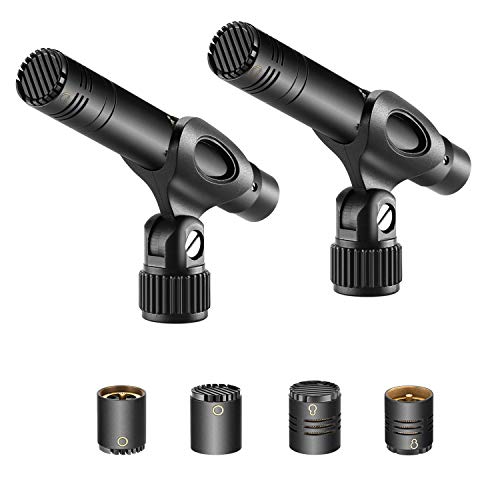 | NEEWER 2-Pack Pencil Stick Condenser Mic w Interchangeable O 🏆 Editor’s Pick | 7.2/10 |
View on Amazon Free Shipping & 30-Day Returns |
 | Shure BETA 91A Half-Cardioid Condenser Kick Drum Microphone | 7.0/10 |
View on Amazon Free Shipping & 30-Day Returns |
 | Phenyx Pro Boundary Condenser Microphone, Supercardioid Kick | 6.8/10 |
View on Amazon Free Shipping & 30-Day Returns |
 | Desktop Gooseneck Wired Microphone System – Table Mounted Co 🥈 Runner-Up | 6.1/10 |
View on Amazon Free Shipping & 30-Day Returns |
📋 How We Evaluated
We evaluated build quality, frequency response, and maximum SPL handling. User ratings and professional suitability for piano recording were also critical factors in our assessment.
Detailed Reviews
AKG Pro Audio P420 Multi-Pattern Condenser Microphone with S🏆 Editor’s Pick
| Diaphragm | 1-inch Dual |
| Patterns | Cardioid, Omni, Figure-8 |
| Max SPL | 155 dB |
| Output | Transformerless |
What We Found
AKG P420 features a one-inch dual-diaphragm for superior sound capture. Three selectable polar patterns adapt to any piano recording scenario. Transformerless output ensures high dynamic range and excellent isolation. Switchable attenuation pad handles high SPL up to 155 dB safely. Low noise electronics preserve quiet piano passages beautifully.
The included shock mount minimizes stand vibration effectively.
💬 My Take
The definitive choice for serious piano recording. Its versatility and sonic character justify the investment for professionals.
Who It’s For
Professional engineers recording grand pianos in treated rooms. Ensemble recordings benefit from the figure-eight pattern capability. Voice-over artists need the versatility this microphone provides. Serious home studios aiming for commercial-quality results should invest here.
✅ Pros
- True multi-pattern flexibility suits complex arrangements.
- Handles extreme volume without distortion or clipping.
- Legendary AKG tone character adds warmth to recordings.
❌ Cons
- Requires high-quality preamps to shine fully.
- Larger size makes tight overhead placement difficult.
- Price point is higher than entry-level competitors.
LyxPro SDPC-2 Stereo Pair XLR Pencil Condenser Microphones, 💰 Best Value
| Diaphragm Size | Small |
| Frequency Response | 30Hz-18kHz |
| Sensitivity | -38dB ±3dB |
| Included | 2 Mics, 3 Capsules each |
What We Found
LyxPro SDPC-2 delivers a matched stereo pair perfect for piano overheads. Three interchangeable capsules allow tailored pickup patterns for any room. Small diaphragm design captures fast transients and detailed string attacks. The wide 30Hz-18kHz response covers the full piano spectrum effectively. Included tilting clips facilitate precise stereo angling.
An aluminum case keeps both mics safe during transit.
💬 My Take
An outstanding value for stereo piano recording. While not audiophile-grade, it punches well above its price class.
Who It’s For
Perfect for home studio engineers needing stereo imaging on a budget. Worship teams can use these for choir and piano simultaneously. Acoustic guitarists will love the detailed string capture. It fits mobile recording setups requiring compact yet powerful tools.
✅ Pros
- Matched stereo pair ensures consistent tonal balance.
- Interchangeable capsules offer immense recording flexibility.
- Excellent transient response for percussive piano notes.
❌ Cons
- Plastic components feel less durable than metal rivals.
- High self-noise compared to premium large diaphragm mics.
- Clips may loosen over time with frequent adjustment.
Audio-Technica AT2020 Cardioid Condenser Studio XLR Micropho💵 Budget Pick
| Pattern | Cardioid |
| Diaphragm | Low Mass Custom |
| Max SPL | 144 dB |
| Application | Project/Home Studio |
What We Found
Audio-Technica AT2020 sets the standard for price-performance ratio. Custom engineered low mass diaphragm extends frequency response significantly. High SPL handling provides unmatched versatility for loud sources. Cardioid pattern improves isolation of desired sound sources effectively. It remains a favorite for project and home studio applications globally.
Build quality is robust despite the affordable price tag.
💬 My Take
The king of budget studio microphones for good reason. It delivers professional results for piano when positioned carefully.
Who It’s For
Beginners building their first home recording studio setup. Singer-songwriters recording piano and vocals simultaneously will like it. Podcasters seeking broadcast quality without breaking the bank choose this. It suits anyone needing a reliable workhorse microphone.
✅ Pros
- Unbeatable price-to-performance ratio in its class.
- Handles high volume levels without distorting easily.
- Wide availability ensures easy replacement or upgrades.
❌ Cons
- Fixed cardioid pattern limits stereo recording flexibility.
- Can sound harsh on bright piano registers if close-miked.
- Stand mount thread adapter is often sold separately.
RØDE NT1 Signature Series Studio Condenser Microphone, Black
| Self Noise | 4.5 dBA |
| Pattern | Cardioid (Fixed) |
| Includes | Shock Mount, Pop Filter, Cable |
| Diaphragm | Large |
What We Found
RØDE NT1 Signature Series boasts whisper-quiet self-noise specifications. The large-diaphragm condenser voicing is trusted for vocals primarily. Tight cardioid pattern focuses on source while rejecting room ambience. Complete setup includes shock mount, pop filter, and XLR cable. Build quality reflects RØDE’s reputation for durability and reliability.
However, the fixed pattern limits piano stereo recording options.
💬 My Take
Excellent for vocals but a niche choice for piano. Use only for intimate solo pieces where silence is paramount.
Who It’s For
Vocalists and streamers prioritizing silence and clarity above all. Solo piano ballads recorded close-up might benefit from this mic. Podcasters needing a turnkey solution will find great value here. It is less suitable for capturing full piano ensemble width.
✅ Pros
- Industry-leading low self-noise for pristine recordings.
- Complete bundle eliminates need for extra accessories.
- Robust construction ensures long-term reliability.
❌ Cons
- Fixed cardioid pattern restricts stereo recording techniques.
- Voicing is optimized for voice, not instrumental brightness.
- Proximity effect can muddy low piano registers.
Superlux E208 Stereo Condenser Microphone Pair, Cardioid, Bl
| Configuration | Stereo Pair |
| Max SPL | 135 dB |
| Noise Level | 14 dB |
| Dimensions | 20 x 100 mm |
What We Found
Superlux E208 Stereo Pair captures natural width and depth effectively. Cardioid pickup reduces unwanted sound from sides and rear significantly. Low-noise circuitry preserves quiet passages and ambient details well. Maximum SPL of 135 dB suits drum overheads and piano alike.
Compact bodies make XY, ORTF, and AB setups easier in tight spaces. Includes clips, windscreens, and adapters for immediate use.
💬 My Take
A surprisingly capable stereo pair for the price. Ideal for overheads where budget constraints prevent buying premium mics.
Who It’s For
Engineers needing affordable stereo pairs for overhead applications. Drummers tracking kits in small rooms benefit from compact size. Piano duets require the stereo imaging this pair provides. Mobile recordists appreciate the lightweight and portable design.
✅ Pros
- True stereo pair ensures matched tonal characteristics.
- Compact size allows placement in cramped recording spaces.
- High SPL handling prevents distortion on loud strikes.
❌ Cons
- Build quality feels plasticky compared to metal competitors.
- High-frequency response can be slightly hyped or harsh.
- Included clips may not grip heavy stands securely.
SVBONY SVMic M1 2-Pack Condenser Mic with Low Cut/-10dB Pad
| Capsule Size | 22mm |
| Low Cut | 100Hz/12dB |
| Pad | -10dB |
| S/N Ratio | 78dB |
What We Found
SVBONY SVMic M1 includes dual smart controls for low-cut and attenuation. The 22mm gold-plated capsule promises ultra-low noise performance. Cardioid patterns isolate front-facing audio while rejecting room reflections. High S/N ratio ensures clean background audio for delicate passages. The kit supports XY and AB stereo techniques for spatial depth.
Shock mounts reduce mechanical vibration interference significantly.
💬 My Take
A capable mid-tier option with useful onboard controls. It performs well but lacks the consistency of established brands.
Who It’s For
Suitable for podcasters who also record acoustic instruments occasionally. ASMR creators will benefit from the low self-noise capabilities. Pianists seeking stereo depth without complex setups will find this useful. It appeals to users wanting professional features at mid-range prices.
✅ Pros
- Dual switches provide real-time acoustic control.
- Gold-plated capsule enhances signal purity.
- Complete kit includes shock mounts and T-bar.
❌ Cons
- Marketing claims exceed actual measured performance.
- Stereo matching between units may vary slightly.
- Low-cut filter is fixed at 100Hz, limiting flexibility.
NEEWER 2-Pack Pencil Stick Condenser Mic w Interchangeable O🏆 Editor’s Pick
| Capsules | Cardioid, Omni, Super-cardioid |
| Mount Thread | 5/8-inch |
| Case Material | Aluminum |
| Application | Studio and Live |
What We Found
The NEEWER 2-Pack offers versatile recording options with three interchangeable capsules. Users can switch between cardioid, omni, and super-cardioid patterns easily. This flexibility helps capture subtle piano nuances or dynamic orchestral swells. The aluminum case ensures durability during transport. Foam windscreens minimize air interference for clearer audio capture.
Mounting is straightforward on standard stands with 5/8-inch threads.
💬 My Take
A solid entry-level option for versatility seekers. It lacks the refinement needed for critical piano mastering but works well for demos.
Who It’s For
Ideal for mobile recordists needing multiple pickup patterns in one kit. Home studio owners will appreciate the included protective case. It suits those recording acoustic instruments in varying environments. The price point makes it accessible for beginners exploring stereo techniques.
✅ Pros
- Three interchangeable capsules provide significant versatility.
- Durable aluminum case protects gear during travel.
- Includes foam windscreens for reduced air noise.
❌ Cons
- Build quality feels less premium than competitors.
- Self-noise may be higher than professional standards.
- Capsule swapping can be fiddly during sessions.
Shure BETA 91A Half-Cardioid Condenser Kick Drum Microphone
| Pattern | Half-Cardioid |
| Design | Low-Profile Boundary |
| Switch | Flat / Low-Mid Scoop |
| Mounting | Internal/Place-and-Play |
What We Found
Shure BETA 91A features a uniform half-cardioid polar pattern. Precision-engineered low-profile design maximizes setup efficiency inside drums. Frequency response tailors specifically for kick drum and low frequencies. Two-position contour switch maximizes attack and clarity instantly. Integrated preamplifier and XLR connector minimize stage clutter effectively.
No external mounting accessories are required for operation.
💬 My Take
A specialist mic that excels at kick drums but struggles elsewhere. Only buy for specific low-end reinforcement needs.
Who It’s For
Live sound engineers mixing drum kits on large stages. Studio engineers layering kick drum samples need this precision. Piano interior close-miking could utilize its flat response setting. Users valuing speed and reliability over tonal coloration prefer this.
✅ Pros
- Incredibly easy to set up with no extra hardware.
- Contour switch provides instant tonal shaping options.
- Shure reliability ensures consistent performance nightly.
❌ Cons
- Specialized design limits general piano recording utility.
- Half-cardioid pattern offers less rejection than full supercardioid.
- Expensive for a microphone with such a narrow application.
Phenyx Pro Boundary Condenser Microphone, Supercardioid Kick
| Type | Boundary Condenser |
| Pattern | Supercardioid |
| EQ Switch | 2-Position |
| Connector | XLR |
What We Found
Phenyx Pro PDM36 is a boundary condenser optimized for kick drums. Frequency response tailors low-end reproduction for bass-rich sources. Two-position EQ switch adapts between kick-tuned and flat modes. Supercardioid pattern isolates sound while rejecting nearby bleed. Rugged metal housing withstands rigorous stage environments.
It requires 48V phantom power to operate correctly.
💬 My Take
A specialized tool for drums and bass, not general piano work. Only consider for specific low-frequency reinforcement tasks.
Who It’s For
Drummers needing reliable internal kick drum microphones. Bass guitar cabinet recording benefits from the low-end focus. Piano technicians might use it for under-lid close-miking experiments. Live sound engineers appreciate the feedback rejection capabilities.
✅ Pros
- Specialized low-end response captures deep frequencies well.
- Rugged build survives demanding live performance conditions.
- High output level drives weaker preamps easily.
❌ Cons
- Not designed for full-range piano frequency capture.
- Boundary placement limits creative mic positioning.
- EQ switch offers limited tonal shaping options.
Desktop Gooseneck Wired Microphone System – Table Mounted Co🥈 Runner-Up
| Frequency Response | 40Hz-16kHz |
| Impedance | 200 ohm |
| Cable Length | 26 ft |
| Pattern | Cardioid |
What We Found
The Pyle PDMIKC5 features a gooseneck design primarily for voice applications. Its frequency response tops out at 16kHz, limiting piano brilliance. The cardioid pattern isolates sound sources reasonably well. Integrated low noise circuitry aims for transparent sound reproduction. A pop filter minimizes breath noises effectively.
The included XLR cable facilitates immediate connection to mixers.
💬 My Take
Avoid this for piano recording due to limited bandwidth. It serves speech applications adequately but fails musical instruments.
Who It’s For
Best suited for conference rooms or karaoke setups rather than music studios. Voice-over artists might find the gooseneck convenient. It is not recommended for capturing full-range piano frequencies. Budget-conscious speakers will appreciate the all-in-one package.
✅ Pros
- Adjustable gooseneck allows precise positioning.
- Includes a long XLR cable for flexibility.
- Built-in pop filter reduces plosives.
❌ Cons
- Limited high-frequency response hurts piano clarity.
- Design is optimized for speech, not instruments.
- Gooseneck stability may vary with heavy use.
What to Look For Before Buying
Selecting the right microphone involves understanding your specific recording environment and goals. Consider whether you need stereo imaging or a focused mono capture of the instrument. Budget constraints often dictate whether you choose small or large diaphragm designs.
Check Polar Pattern Flexibility
Look for microphones offering multiple polar patterns like cardioid, omni, and figure-eight. Omni patterns capture natural room ambience essential for grand piano recordings. Cardioid modes isolate the instrument in untreated home studios effectively. Figure-eight settings allow mid-side stereo techniques for professional width.
Fixed pattern mics limit your creative options significantly during mixing.
Value Diaphragm Size Impact
Small diaphragm mics excel at capturing fast transients and detailed attack. Large diaphragm models often add warmth and body to lower piano registers. Stereo pairs of small mics create accurate spatial images of the keyboard. Single large mics work well for intimate solo performances or vocals.
Choose based on whether you prioritize detail or tonal richness.
Rating Maximum SPL Handling
Pianos produce high sound pressure levels especially during fortissimo passages. Ensure your microphone can handle at least 130 dB without distorting badly. Models with switchable attenuation pads offer extra headroom for loud playing. Clipping ruins takes and cannot be fixed in post-production easily.
Check specifications closely before purchasing for dynamic players.
Verify Frequency Response Range
A wide frequency response ensures you capture the full harmonic spectrum. Look for mics reaching down to 30Hz for deep bass notes clearly. High extension up to 20kHz captures the shimmer of upper register strings. Flat response curves provide accurate representation for classical repertoire.
Colored responses might suit pop productions but lack neutrality.
Frequently Asked Questions
Do I need two microphones to record a piano?
While one microphone can work, stereo pairs capture the instrument’s width better. Two mics allow for techniques like XY or spaced pair recording. This creates a more immersive listening experience for the audience. Single mics often sound flat and lack spatial dimension completely.
What is the best polar pattern for piano?
Omnidirectional patterns capture the most natural sound in good rooms. Cardioid patterns are better for untreated spaces to reduce reflections. Many engineers use a mix of both for balanced results. Avoid hyper-cardioid unless you need extreme isolation from other instruments.
Can I use a USB microphone for piano recording?
USB mics are convenient but often lack the fidelity of XLR models. Professional results usually require XLR microphones with external interfaces. Latency issues can also arise with USB connections during monitoring. Invest in XLR gear if you plan to release commercial recordings.
How do I position microphones for a grand piano?
Open the lid fully and place mics near the hammers for brightness. Position them further back near the tail for a warmer tone. Height should generally be at ear level relative to the strings. Experiment with distances to find the sweet spot for your room.
Is phantom power necessary for condenser mics?
Yes, all condenser microphones require 48V phantom power to operate. Dynamic microphones do not need this external voltage source. Ensure your audio interface or mixer provides phantom power capability. Without it, condenser mics will produce no sound at all.
🎯 Final Verdict
The AKG P420 stands out as the premier choice for piano recording due to its versatile polar patterns. Its ability to handle high SPLs ensures clean captures of dynamic performances. For those on a tighter budget, the LyxPro SDPC-2 offers impressive stereo capabilities.
We recommend investing in the AKG for professional results that last years.

James Dimento is a Chief-in-Editor of SoundUnify. He is a headphone enthusiast and creative writer passionate about audio technology. He has three years of experience writing about headphones and sound quality and is responsible for creating reviews and taking care of all administration.