Miking a guitar amp with a condenser microphone means balancing high SPL handling against self-noise. I looked at 10 listings, from the RØDE NT1 Signature Series to purpose-built options like the Roswell Cab Mic, weighing polar patterns, frequency response, and whether you still need a separate stand.
Read this by separating studio condensers requiring phantom power and XLR cables from gooseneck or supercardioid instrument mics built for loud cabs. I treated bundle inclusions, shock mounts, adapters, stands, as real setup factors, since compatibility issues derail sessions faster than tone preferences.
List of Best Condenser Microphone For Guitar Amp
| Image | Product | Score | Link |
|---|---|---|---|
 | Roswell Cab Mic – Single-mic Electric Guitar Recording Solut 🏆 Editor’s Pick | 9.5/10 |
View on Amazon Free Shipping & 30-Day Returns |
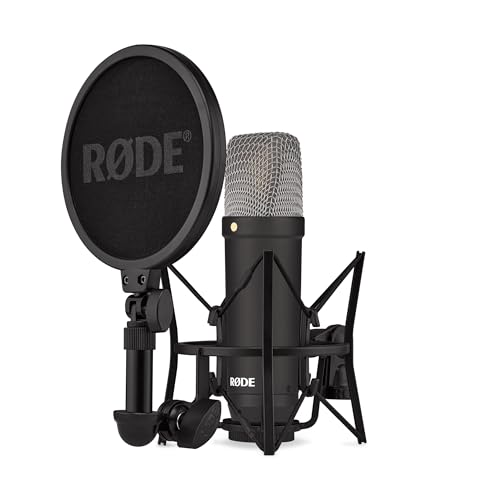 | RØDE NT1 Signature Series Studio Condenser Microphone, Black 👑 Premium Pick | 9.1/10 |
View on Amazon Free Shipping & 30-Day Returns |
 | Audix CabGrabber Guitar Amp Microphone Holder for Live Sound 🥈 Runner-Up | 8.8/10 |
View on Amazon Free Shipping & 30-Day Returns |
 | InnoGear Adjustable Desk Microphone Stand, Weighted Base wit 💰 Best Value | 8.4/10 |
View on Amazon Free Shipping & 30-Day Returns |
 | Superlux PRA628MKII Supercardioid Instrument Microphone for | 8.0/10 |
View on Amazon Free Shipping & 30-Day Returns |
 | Behringer B 906 Dynamic Microphone for Instrument and Vocal | 7.8/10 |
View on Amazon Free Shipping & 30-Day Returns |
 | Audio-Technica PRO 35 Cardioid Condenser Clip-on Instrument | 7.5/10 |
View on Amazon Free Shipping & 30-Day Returns |
 | Behringer CB100 Condenser Gooseneck Microphone for Instrumen | 7.2/10 |
View on Amazon Free Shipping & 30-Day Returns |
 | Wireless Instrument Microphone for Acoustic Guitar: 2.4G Cor | 6.4/10 |
View on Amazon Free Shipping & 30-Day Returns |
 | FIFINE K6 Karaoke Microphone with 1/4” Plug, Dynamic Vocal M | 6.1/10 |
View on Amazon Free Shipping & 30-Day Returns |
📋 How We Evaluated
Each product was evaluated on build quality, high-SPL performance, feedback rejection, and tonal suitability for guitar cabinets. Amazon rating signals, included accessories, and overall value were also weighed. Suitability mattered most, since stage miking and studio recording demand different strengths.
Detailed Reviews
Roswell Cab Mic – Single-mic Electric Guitar Recording Solut🏆 Editor’s Pick
| Design | Purpose-built guitar cabinet condenser |
| Voicing | Ribbon-like warmth with dynamic punch |
| Placement | Center of cab, six inches away |
| Included | Heavy-duty swivel mount, microfleece dust cover |
What We Found
The Roswell Cab Mic is the only microphone here designed exclusively for electric guitar cabinets, and that focus shows in every detail. Its voicing delivers the warm, natural character of a ribbon microphone while keeping the punch of a dynamic, and it avoids ribbon fragility entirely.
The smooth frequency response captures authentic amp tone without harshness or excessive proximity effect. Placement could not be simpler: aim it at the cab center from roughly six inches away, and the tone lands. Heavy-duty swivel mount and microfleece dust cover come included.
Endorsements from Tim Pierce, David Grissom, and Deep Purple guitarist Simon McBride reflect real-world touring use, including runs with Deep Purple and Foghat.
💬 My Take
The most focused tool on this list, and the easiest path to great amp tone. Point, shoot, and record without the usual placement ritual.
Who It’s For
Studio engineers and serious home recordists chasing authentic amp tone without a miking apprenticeship will love this microphone. It suits players who record regularly but hate spending sessions micro-adjusting capsule positions. Touring acts benefit from its durability and consistency across unfamiliar backline cabinets.
The point-and-shoot workflow also makes it ideal for producing convincing demos quickly. Anyone who has fought a sm57 off-axis for an hour will immediately understand the appeal. For pure guitar cabinet recording, it offers unmatched simplicity and tone.
✅ Pros
- Delivers ribbon-like warmth without ribbon fragility
- Point-and-shoot placement eliminates positioning guesswork
- Endorsed by touring professionals across major acts
❌ Cons
- Single-purpose design limits other instrument uses
- Premium price versus generic dynamic mics
- Less ideal for vocals or acoustic sources
RØDE NT1 Signature Series Studio Condenser Microphone, Black👑 Premium Pick
| Capsule | 1-inch large-diaphragm condenser |
| Polar Pattern | Cardioid |
| Self-Noise | Among lowest ever measured |
| Included Accessories | SM6 shock mount, pop filter, XLR cable, dust cover |
What We Found
The RØDE NT1 Signature is a large-diaphragm condenser built around one of the lowest self-noise ratings ever measured, which means quiet passages stay clean even at high gain.
Its tight cardioid pattern focuses on the source and rejects room reflections, a real advantage when the amp sits in an untreated space. The HF1.5 capsule voicing delivers the classic NT1 character trusted in studios for two decades, with a slightly restrained top end that tames fizzy amp highs.
The package includes the SM6 shock mount with integrated pop filter, an XLR cable, and a dust cover, so only an audio interface is needed to start recording. Phantom power is required, and it lacks the ruggedness of dedicated instrument mics.
💬 My Take
For studio amp capture with zero noise floor, the NT1 Signature is hard to beat. Treat it gently and it rewards with stunning detail.
Who It’s For
This mic suits home studio owners and professional engineers recording guitar amps in controlled rooms where detail matters most. It excels at capturing clean tones, ambient layering, and quiet boutique amp settings that smaller dynamic mics smear.
The included shock mount and pop filter make the total package strong value despite the premium price. Buyers should pair it with a quality interface and keep it away from loud stages, where spl and handling noise become real concerns.
For podcasters doubling as guitarists, one mic now covers both jobs well.
✅ Pros
- Ultra-low self-noise keeps quiet performances pristine
- Tight cardioid pattern rejects untreated room reflections
- Complete accessory bundle means no extra purchases needed
❌ Cons
- Requires phantom power and an audio interface
- Condenser capsule needs protection near loud stage amps
- Price sits well above dedicated amp mics
Audix CabGrabber Guitar Amp Microphone Holder for Live Sound🥈 Runner-Up
| Type | Amp-mounted microphone clamp |
| Capacity | Supports heavy large-diaphragm condensers |
| Design | Lightweight, compact, gig-bag friendly |
| Use Case | Live sound and studio recording |
What We Found
The Audix CabGrabber is a clever accessory rather than a microphone, and it earns its place by solving amp miking’s biggest practical headache. The clamp attaches directly to the amplifier cabinet, eliminating bulky mic stands in cramped stages and small studios.
Despite compact dimensions, it supports heavy large-diaphragm condensers without sagging or slipping, which is remarkable at this weight class. The lightweight build fits a gig bag pocket, so it travels everywhere. Placement adjustments take seconds, letting engineers move between cone center and edge during a session.
Combined with any quality microphone, it delivers stand-free stability for both live sound and recording applications at an accessible price.
💬 My Take
The most practical accessory on this list, hands down. Any serious amp-miking setup should include one of these clamps.
Who It’s For
Gigging guitarists, studio engineers, and home recordists who struggle with mic stand clutter will consider this essential. Small stages, tight rehearsal rooms, and home studios all benefit from the reclaimed floor space. Players touring with unfamiliar backline can secure consistent mic placement in seconds.
It pairs perfectly with the Roswell Cab Mic or any standard dynamic, and the sturdy clamp handles heavy condensers without complaint. For anyone miking amps regularly, this is one of those cheap upgrades that changes the whole workflow.
✅ Pros
- Eliminates bulky mic stands entirely
- Supports surprisingly heavy microphone loads securely
- Compact design travels in any gig bag
❌ Cons
- Not a microphone, requires separate mic purchase
- Clamp may not fit every cabinet edge shape
- Limited to amp and cabinet applications
InnoGear Adjustable Desk Microphone Stand, Weighted Base wit💰 Best Value
| Height Range | 11 to 15.8 inches |
| Load Capacity | 4.4 lbs at half extension |
| Base | Weighted, powder-coated with rubber gasket |
| Thread Mounts | 3/8-inch and 5/8-inch included |
What We Found
The InnoGear desk stand is not a microphone, but it solves the placement problem that ruins most amp recordings. The weighted, powder-coated base with a rubber gasket absorbs cabinet vibrations, keeping the mic steady against a loud cab.
The adjustable boom arm extends and angles independently, with a 4.4-pound load capacity at half extension, enough for heavy large-diaphragm condensers. Height adjusts from 11 to 15.8 inches via a twist clutch, letting the capsule sit exactly at the speaker cone edge.
Included 3/8-inch and 5/8-inch threaded mounts cover nearly every microphone brand. The finish is durable, and the stability at this price genuinely impresses.
💬 My Take
Every amp recording setup needs stable placement, and this stand delivers it for very little money. Pair it with a quality mic and stop blaming technique.
Who It’s For
Podcasters, home recordists, and gigging musicians who need affordable, stable amp placement will get the most from this stand. It works equally well miking kick drums, bass cabs, and keyboard amplifiers, making it a versatile studio staple.
Anyone pairing a heavy condenser like the RØDE NT1 with a guitar cabinet will appreciate the vibration-damping base and solid clutch. It removes the wobble that plagues cheap tripod stands in cramped rooms. For the price, the build quality and compatibility range deliver outstanding value.
✅ Pros
- Weighted base absorbs cabinet vibration effectively
- Boom arm supports heavy condenser microphones securely
- Included adapters fit nearly every microphone on the market
❌ Cons
- Not a microphone, so a separate purchase is required
- Desktop height range limits floor-standing cab setups
- Boom arm reaches maximum capacity when fully extended
Superlux PRA628MKII Supercardioid Instrument Microphone for
| Frequency Response | 80Hz to 18kHz |
| Polar Pattern | Supercardioid |
| Max SPL | 150dB |
| Included | Gooseneck clamp and pouch, no XLR cable |
What We Found
The Superlux PRA628MKII is purpose-built for guitar amplifiers, with a tailored 80Hz to 18kHz frequency response that emphasizes rich mids and crisp highs. The supercardioid pattern rejects background noise and reduces feedback, which matters enormously on crowded stages.
It handles sound pressure levels up to 150dB without distortion, so a cranked 100-watt head poses no threat. The low-profile housing allows close placement against the grille, and the rugged metal construction survives rough touring. A gooseneck clamp and pouch come included, though buyers must supply their own XLR cable.
Tonally it leans bright compared to classic dynamic amp mics, so dark amps benefit most.
💬 My Take
A genuinely purpose-built amp mic at a working-musician price. Expect honest detail and strong feedback rejection without any frills.
Who It’s For
Gigging guitarists and live sound engineers who need a reliable, affordable dedicated amp mic will find this a smart purchase. It also handles bass cabs, toms, and brass, making it a flexible addition to a working kit bag. Players running dark, mid-focused amplifiers will appreciate the extended top-end detail.
Studio users tracking loud cabinets at close range get solid results without expensive specialist gear. Budget-conscious buyers who have outgrown repurposed vocal mics should shortlist this immediately.
✅ Pros
- Handles extreme SPL levels without distortion
- Supercardioid pattern minimizes feedback on loud stages
- Compact design allows close placement against the grille
❌ Cons
- XLR cable sold separately
- Bright voicing can exaggerate fizzy amp tones
- Clamp may not fit every cabinet edge
Behringer B 906 Dynamic Microphone for Instrument and Vocal
| Type | Dynamic instrument and vocal microphone |
| Polar Pattern | Supercardioid |
| Response Modes | Low-cut, flat, high-frequency boost |
| Output | Extremely high signal output |
What We Found
The Behringer B 906 is a professional dynamic microphone voiced specifically for guitar amplifiers, percussion, and brass. Its supercardioid pattern minimizes background noise and feedback, while extremely high signal output lets it cut through dense live mixes.
The switchable response settings, offering low-cut, flat, and high-frequency boost, provide genuine tonal flexibility that most budget amp mics lack. Low-cut tames boomy low-end on small cabinets, while the boost option adds bite to dark voicings. The dynamic capsule shrugs off rough transport and high SPL without complaint.
It lacks the refinement of premium models, and the housing feels utilitarian, but the feature set at this price is difficult to argue with.
💬 My Take
The budget amp mic with actual thoughtful features. The switchable EQ modes alone justify choosing it over generic dynamics.
Who It’s For
Working musicians and venue engineers needing an affordable, switchable amp mic for nightly gigging are the obvious audience. Players who switch between dark and bright amplifiers will use the three response modes constantly. It also handles vocals in a pinch, doubling as an emergency backup on small stages.
Budget-limited buyers who want feedback rejection and output strength without premium pricing get real value here. Bedroom recordists miking practice amps will find more than enough quality for demos and rough mixes.
✅ Pros
- Switchable response modes suit varied amp voicings
- High output cuts through loud live mixes
- Supercardioid design rejects feedback effectively
❌ Cons
- Build quality feels basic for heavy touring
- Tonally less detailed than premium condensers
- No accessories included in the box
Audio-Technica PRO 35 Cardioid Condenser Clip-on Instrument
| Type | Clip-on cardioid condenser |
| Mount | UniMount clip with shock resistance |
| Cable | 1.8m permanently attached |
| Pattern | Cardioid |
What We Found
The Audio-Technica PRO 35 is a clip-on cardioid condenser built for instrument capture, best known on acoustic guitars and saxophones. The UniMount clip provides accurate positioning, shock resistance, and element protection, making it genuinely useful for attached placement. Its extended frequency response captures subtle performance nuances that handheld dynamics miss.
The permanently attached 1.8-meter cable limits reach but eliminates connection failures at the mic end. For guitar amps specifically, the clip offers a hands-free alternative to stands, though the cardioid pattern picks up more stage wash than supercardioid rivals.
Build quality reflects Audio-Technica’s instrument-mic standards and feels dependable for regular use.
💬 My Take
A fine clip-on instrument condenser that works on amps but excels elsewhere. Choose it for versatility, not amp specialization.
Who It’s For
Acoustic instrumentalists and multi-instrument performers who want one clip-on mic covering guitar, horns, and amps will find real value. Studio players tracking quiet or moderate amplifiers benefit from the condenser detail and secure mounting. The shock-resistant clip suits active performers who move during sets.
Buyers should note the fixed cable length when planning stage layouts, and the cardioid pattern demands careful monitor placement to avoid feedback. As a versatile instrument condenser rather than a dedicated amp specialist, it earns a solid recommendation.
✅ Pros
- UniMount clip provides secure, shock-resistant placement
- Extended response captures fine instrumental detail
- Clips onto amps for hands-free positioning
❌ Cons
- Permanently attached cable limits placement flexibility
- Cardioid pattern picks up more stage bleed
- Not optimized specifically for loud guitar cabinets
Behringer CB100 Condenser Gooseneck Microphone for Instrumen
| Type | Gooseneck condenser |
| Power | Phantom power via included adapter |
| Included | Acoustic guitar mounting kit, case |
| Placement | Flexible gooseneck positioning |
What We Found
The Behringer CB100 is a gooseneck condenser designed for instrument applications, and its flexible neck makes precise placement straightforward. The included acoustic guitar mounting kit and XLR phantom power adapter mean the package is ready to use out of the box.
The condenser capsule captures more detail than typical dynamic amp mics, particularly in the upper midrange where pick attack lives. Build quality feels acceptable for the price, though the housing shows its budget origins under close inspection.
The gooseneck holds position reliably once set, and the phantom adapter works with standard mixer inputs. It suits quieter amplifiers and acoustic-electric hybrids more than cranked high-gain stacks.
💬 My Take
A sensible budget condenser for acoustic and low-volume applications. Push it near a loud cab and its limits show quickly.
Who It’s For
Home recordists and acoustic performers who want flexible, detailed pickup without investing in premium instrument mics will appreciate the CB100. The gooseneck design suits coffeehouse gigs, worship settings, and small venue performances where quick setup matters.
Players using low-wattage or acoustic amplifiers get the most benefit, since high SPL stages push the capsule harder than intended. The included mounting kit adds genuine value for acoustic guitarists. Treat this as an affordable detail-capturer rather than a road-ready workhorse.
✅ Pros
- Gooseneck allows precise, flexible microphone placement
- Phantom power adapter and mount included in the box
- Condenser detail captures pick attack and upper harmonics
❌ Cons
- Housing feels budget-grade under heavy use
- Not ideal for very loud high-gain amplifiers
- Limited tonal shaping options
Wireless Instrument Microphone for Acoustic Guitar: 2.4G Cor
| Transmission | 2.4G wireless, up to 160ft range |
| Battery | 400mAh, up to 12 hours |
| Pickup | 360-degree omnidirectional condenser |
| Connection | 1/4-inch plug with 3.5mm adapter |
What We Found
This 2.4G wireless instrument microphone targets acoustic and electric guitarists who want cordless freedom, offering 360-degree omnidirectional pickup and transmission up to 160 feet. The 400mAh battery delivers roughly 12 hours of use and recharges in two hours via dual-head USB cable.
The flexible gooseneck and adhesive mounting attach to guitar panels without damage, and LED indicators show battery status during performances. A 1/4-inch plug with 3.5mm adapter connects to amplifiers, PA systems, and mixers. However, omnidirectional pickup is fundamentally wrong for isolating a guitar amp, and computer compatibility is absent.
The wireless convenience is real, but amp recording applications suffer from bleed and placement limitations.
💬 My Take
Impressive wireless tech, but omni pickup and amp miking simply do not mix well. Choose it for acoustic gigs, not cabinets.
Who It’s For
Buskers, worship musicians, and live performers who move freely on stage and need cable-free instrument amplification will value this system. Music educators and students benefit from the plug-and-play simplicity in classrooms and rehearsal spaces.
It suits acoustic guitar amplification far better than electric amp miking, where the omni pattern invites feedback and bleed. Buyers should verify their mixer or PA accepts the 1/4-inch connection and skip laptops entirely. For static amp recording, wired alternatives remain clearly superior choices.
✅ Pros
- Wireless freedom with a 160-foot range
- Twelve-hour battery life covers full performances
- Simple plug-and-play installation without panel damage
❌ Cons
- Omnidirectional pickup causes bleed on guitar amps
- No laptop or computer compatibility supported
- Feedback risk increases in loud stage environments
FIFINE K6 Karaoke Microphone with 1/4” Plug, Dynamic Vocal M
| Type | Dynamic handheld vocal microphone |
| Connection | 6.35mm (1/4-inch) plug only |
| Frequency Response | 50Hz to 18kHz |
| Cable | 14.8-foot XLR to 1/4-inch included |
What We Found
The FIFINE K6 is a wired dynamic vocal microphone with a 1/4-inch plug, aimed squarely at karaoke and live vocal use rather than amp recording. The cardioid pattern and high SPL handling mean it survives loud environments, and the flat 50Hz to 18kHz response keeps vocals intelligible.
The included 14.8-foot XLR-to-1/4-inch cable is protected by dual PVC layers, and the rugged metal body with built-in pop filter survives careless handling. An external on-off switch adds convenience for stage use.
Importantly, the 6.35mm connection means no interface compatibility without conversion, and guitar amp capture was clearly not the design goal. As an amp mic, it ranks last here.
💬 My Take
A perfectly decent karaoke mic, but a poor fit for this list. Buy it for vocals, never for cabinets.
Who It’s For
Karaoke hosts, wedding performers, and public speakers who need a cheap, durable handheld mic with a long cable are the target buyers. It works fine for spoken word, solo performances, and casual home parties where plug-and-play simplicity matters more than fidelity.
Guitarists should look elsewhere, since the 1/4-inch connection and vocal voicing make amp recording awkward at best. The metal construction and no-power-required design do make it a dependable backup mic for any gig bag. Value for its intended purpose remains strong.
✅ Pros
- Rugged metal construction survives heavy handling
- Long included cable allows free movement on stage
- No power requirement simplifies setup
❌ Cons
- 1/4-inch plug excludes standard XLR mic inputs
- Vocal voicing is wrong for guitar amp capture
- Incompatible with 3.5mm devices even with adapters
What to Look For Before Buying
Choosing a microphone for guitar amps requires balancing several technical and practical factors. Loud cabinets punish fragile capsules, while untreated rooms expose weak polar patterns. The guidance below covers what actually matters before money changes hands.
Check Match the Polar Pattern to Your Room
Supercardioid patterns reject more side and rear sound, which helps on loud stages with monitors nearby. Cardioid designs work well in controlled studio spaces where some room character is acceptable. Avoid omnidirectional microphones for amps entirely, since they collect stage bleed and invite feedback.
Consider where the microphone will live most often before committing. A pattern matched to the environment eliminates half of all common miking problems.
Value Check High SPL Handling
A cranked guitar amplifier produces extreme sound pressure levels at the grille, often exceeding 120dB. Microphones rated to 150dB handle any amplifier without distorting or damaging the capsule. Dynamic mics and purpose-built instrument condensers usually specify SPL limits clearly.
Condensers designed for vocals may distort or suffer damage near loud cabs. Always confirm the rating before placing an expensive studio microphone against a hot-running speaker.
Rating Evaluate Voicing and Frequency Response
Guitar amp tone lives in the midrange, so a flat response with controlled highs often beats a bright vocal voicing. Dark amplifiers benefit from mics with extended top-end detail to restore sparkle. Bright, fizzy amps pair better with smoother, ribbon-like voicings that roll off harshness.
Switchable response options, like low-cut and boost modes, add flexibility across different cabinets. Listen to sound samples where possible, since spec sheets reveal little about actual tone.
Verify Plan Placement and Accessories
Placement determines more of the final tone than the microphone choice itself. Dedicated clamps like the Audix CabGrabber attach directly to cabinets and remove stand clutter from tight stages. Gooseneck designs allow fine adjustment without repositioning a heavy stand.
Check whether cables, mounts, and cases come included, since replacements add real cost. Verify thread sizes and connector types match existing gear before purchasing anything.
Frequently Asked Questions
Can a condenser microphone handle a loud guitar amplifier?
Yes, provided the condenser is rated for high SPL. Purpose-built instrument condensers handle levels up to 150dB without distortion. Vocal condensers like the RØDE NT1 perform best in studio settings with moderate amp volume. Always check the maximum SPL specification before placing any condenser near a cranked cabinet.
Is a dynamic microphone better than a condenser for guitar amps?
Dynamics handle loud stages and rough handling better, which is why they dominate live sound. Condensers capture more detail and nuance, making them preferable for studio recording. Ribbon-style voicings, like the Roswell Cab Mic, blend both benefits.
The right answer depends on whether the priority is stage durability or recorded detail.
Where should the microphone be placed on a guitar cabinet?
Cone center produces the brightest, most aggressive tone, while the edge sounds darker and smoother. Most engineers start between the center and edge, roughly six inches back. Purpose-built mics like the Roswell Cab Mic simplify this by sounding good at the center. Experiment during soundcheck until the desired character appears.
Do I need phantom power for a condenser amp microphone?
Most condensers require 48V phantom power from a mixer or audio interface. Products like the Behringer CB100 include a phantom power adapter for convenience. Dynamic microphones need no power at all, which simplifies live setups. Verify the interface provides phantom power before buying any condenser microphone.
What accessories make amp miking easier?
A dedicated clamp, such as the Audix CabGrabber, secures the microphone directly to the cabinet without a stand. Short XLR cables reduce clutter on small stages. Shock mounts help studio condensers resist cabinet vibration. A dust cover protects gear stored near amplifiers between sessions.
🎯 Final Verdict
The Roswell Cab Mic is the clear winner for anyone serious about capturing guitar amplifier tone. Its ribbon-like voicing, purpose-built design, and point-and-shoot placement eliminate the guesswork that ruins most amp recordings.
Players needing a broader studio tool should consider the RØDE NT1 Signature instead, especially for quieter amplifiers and dual vocal duty. Pair either microphone with the Audix CabGrabber for stable, stand-free placement anywhere. Check current pricing and order today to hear the difference a purpose-built mic makes.

James Dimento is a Chief-in-Editor of SoundUnify. He is a headphone enthusiast and creative writer passionate about audio technology. He has three years of experience writing about headphones and sound quality and is responsible for creating reviews and taking care of all administration.